

Dubai’s real estate market continues to attract global investors in 2026, with off-plan properties remaining a dominant force, accounting for around 70% of transactions. While the sector offers strong potential, the market is maturing with higher supply in certain segments, requiring more selective decision-making. This guide provides an updated, realistic overview of off-plan investing in Dubai, highlighting top developments, benefits, risks, and practical considerations as of mid-2026.
What Are Off-Plan Properties?
Off-plan properties are residential or commercial units sold by developers before construction is complete, often during the planning or early building phase. Buyers secure units at pre-construction prices, typically with structured payment plans spread over 3–5 years. These differ from ready properties, which are completed and immediately available.
Why Consider Off-Plan Properties in Dubai in 2026?
Off-plan investments still appeal to many due to several established advantages:
- Lower Entry Prices: Early buyers often secure discounts compared to post-completion prices, providing a buffer for potential appreciation.
- Flexible Payment Plans: Most developers offer installments (e.g., 10–20% down payment, followed by periodic payments during construction), easing cash flow management.
- Capital Appreciation Potential: In high-demand areas with strong infrastructure growth, completed projects frequently see value increases, especially in well-located master communities.
- Access to Emerging Locations: Buyers can enter developing neighborhoods before prices rise with full maturity.
- Dubai’s Broader Economic Drivers: Sustained population growth, economic diversification, tourism recovery, and pro-investor policies (such as long-term visas) continue to support demand.
However, 2026 is not a blanket “boom” year. Supply is rising (with tens of thousands of units expected to hand over), and while overall demand remains robust, selectivity matters more than in previous peak years. Off-plan still dominates, but investors should focus on tier-1 developers and proven locations.
Top Off-Plan Developments to Watch in 2026
Here are some of the strongest and most discussed areas and projects based on current market activity:
1. Dubai Creek Harbour – Emaar’s Flagship Waterfront Project
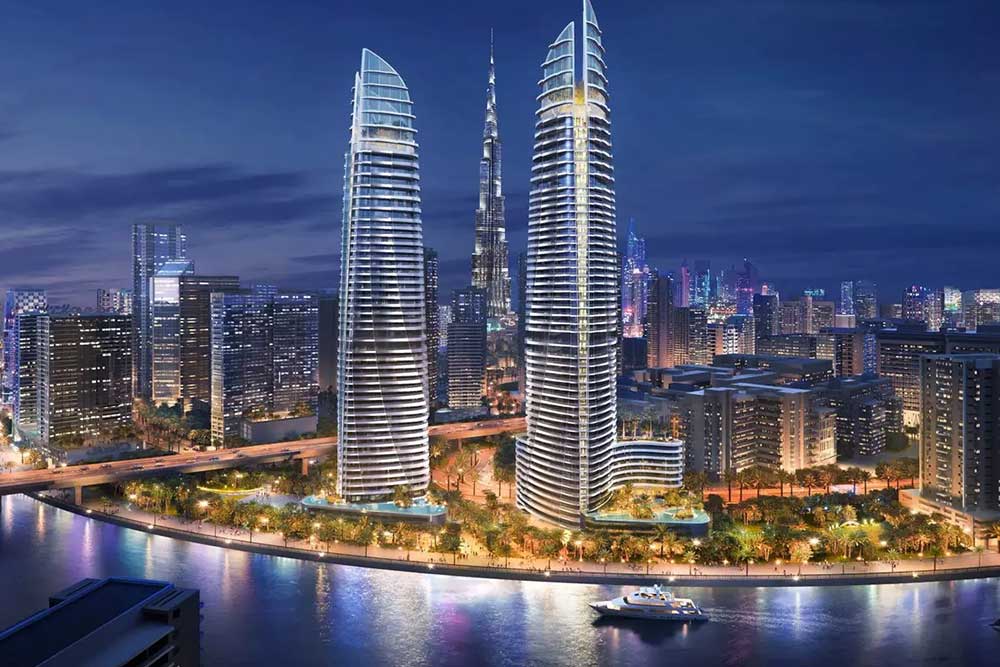
This large-scale mixed-use development continues to draw attention with its waterfront living, parks, and future commercial hubs. Residential options include apartments and some villas. The iconic Dubai Creek Tower remains a landmark element: foundations are in place, and a construction tender for the redesigned (slimmer, aesthetic-focused) tower was anticipated in early 2026. It is now positioned as a major iconic structure rather than necessarily the world’s tallest. The broader community already has occupied residences, promenades, and ongoing deliveries, making it a long-term play with strong rental and capital growth potential in prime units.
2. Dubai Hills Estate – Balanced Urban Living
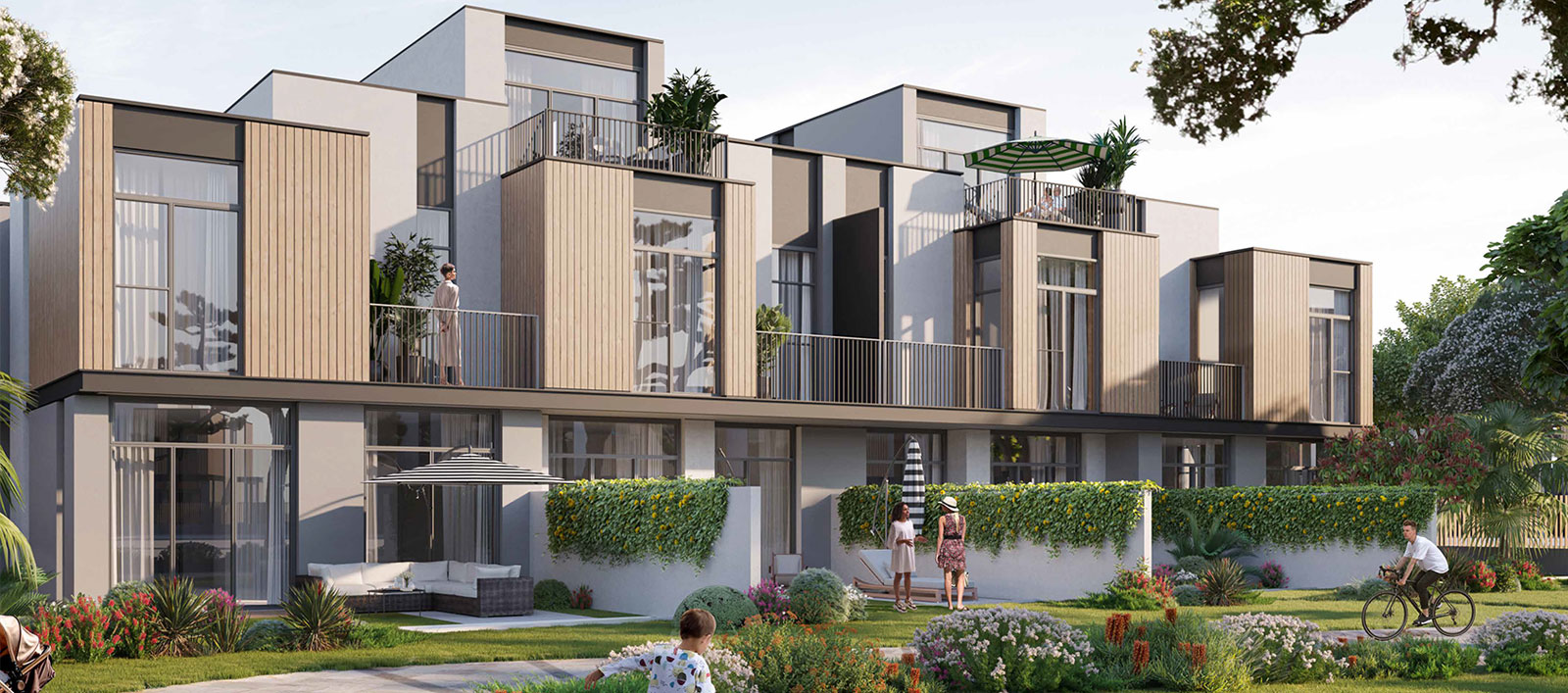
Emaar’s master-planned community offers a mix of apartments (e.g., Hills Park), townhouses, and villas with green spaces, a golf course, schools, and retail. It appeals to families and investors seeking a balance of nature and city access. Ongoing phases provide solid off-plan opportunities with relatively strong demand due to established infrastructure.
3. Dubai South – Affordable Growth Corridor
Positioned near Al Maktoum International Airport and Expo City Dubai, this area targets value-conscious investors and end-users. It features more affordable apartments and townhouses with long-term upside from airport expansion and connectivity improvements. Growth is rapid but still emerging compared to more mature districts.
4. Palm Jumeirah and Palm Jebel Ali – Luxury Waterfront
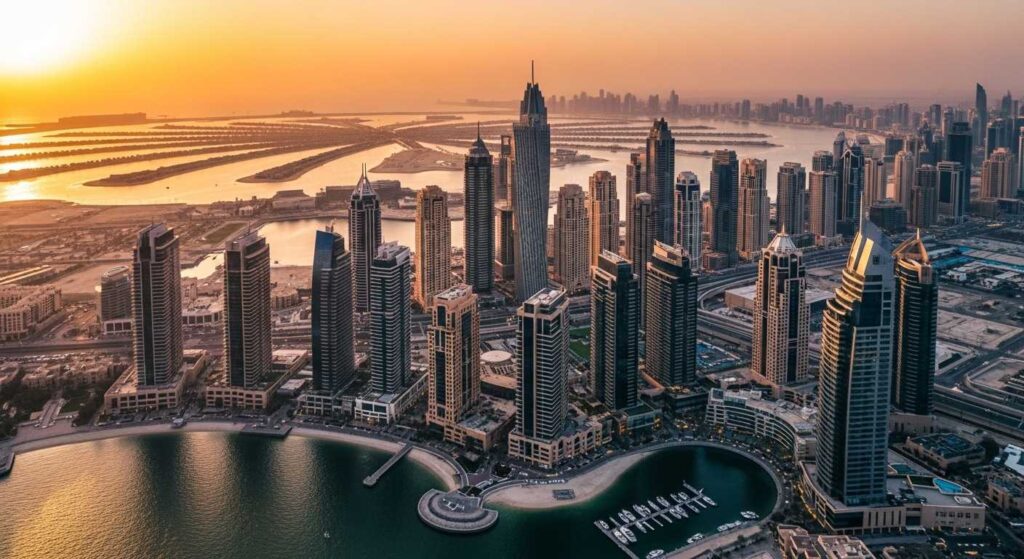
Palm Jumeirah maintains its prestige with limited new luxury launches (apartments, townhouses, and villas). Newer opportunities are also emerging in Palm Jebel Ali phases. These command premium pricing and target high-net-worth buyers seeking beachfront lifestyles and strong rental yields from tourism and residents. Supply is more constrained here than in mass-market areas.
5. Other Notable Mentions
- Bluewaters Island: Limited new off-plan inventory; it remains a mature mixed-use destination centered around Ain Dubai.
- Emerging hotspots: Projects in Dubai Islands, Business Bay, Jumeirah Village Circle, and Nad Al Sheba Gardens for varied budgets. Master communities by Emaar, DAMAC, Nakheel, and Meraas dominate investor interest.
Key Considerations Before Investing
- Developer Reputation: Prioritize established players (Emaar, DAMAC, Nakheel, Select Group, etc.) with proven delivery records. Check RERA registration and past project timelines.
- Location and Infrastructure: Favor areas with existing or confirmed transport links, amenities, and demand drivers. Avoid overly speculative peripheral projects.
- Project Timeline and Handover: Review realistic completion dates. Many 2026 handovers are on track, but delays remain possible.
- Payment Structure and Finances: Understand total costs, including DLD fees (4%), agent fees, and potential service charges. Use escrow accounts for protection.
- Market Trends: Monitor Dubai Land Department (DLD) data. Prices have been firm but show signs of stabilization in some segments due to supply. Rental yields vary widely (5–8%+ in good locations).
The Future Outlook for Dubai’s Off-Plan Market
In 2026, Dubai’s off-plan segment is expected to remain robust, supported by population growth (hundreds of thousands of new residents annually), infrastructure projects, and investor-friendly policies. However, the market is becoming more balanced and competitive. Success will favor buyers who prioritize quality over hype, focus on long-term fundamentals, and avoid chasing every new launch.
Master-planned communities with mixed-use elements and strong connectivity are likely to outperform. Sustainability features, smart technology, and family-oriented amenities are increasingly important to buyers.
Conclusion
Off-plan properties in Dubai for 2026 continue to present compelling opportunities for capital appreciation and portfolio diversification, but they demand a more measured approach than in prior years. By focusing on reputable developers, prime or high-growth locations like Dubai Creek Harbour, Dubai Hills Estate, and Dubai South, and maintaining realistic expectations around risks and timelines, investors can position themselves well in one of the world’s most dynamic real estate markets.
Always verify the latest project statuses directly with developers or authorized agents and consult independent financial and legal advisors. Real estate investment involves risk, and past performance is not indicative of future results. With careful selection, Dubai remains a leading global destination for property investment.