

The UAE real estate market, particularly in vibrant cities like Dubai and Abu Dhabi, remains one of the world’s most active and appealing destinations for property investors. Off-plan properties—units sold during the planning or construction phase—continue to play a dominant role, often making up 70% or more of residential transactions in Dubai. These properties can offer early pricing advantages, structured payment options, and the potential for capital growth and rental income as projects mature.
This guide provides a clear, balanced overview of off-plan investing in the UAE. It explains what off-plan properties are, their key benefits, leading areas, and practical steps to help investors make informed decisions in today’s market.
What Are Off-Plan Properties?
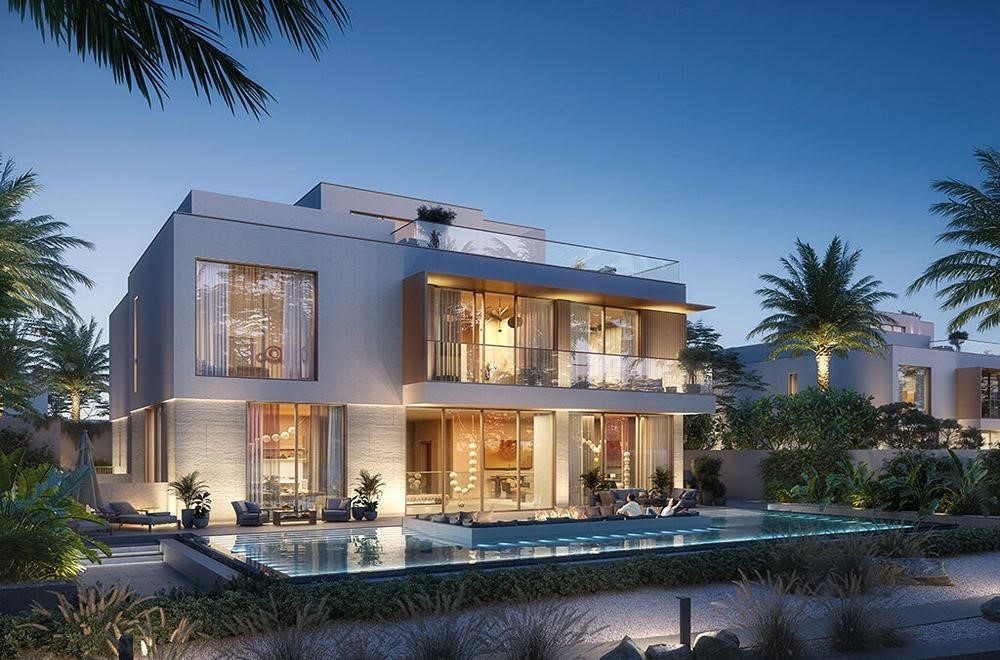
Off-plan properties are residential apartments, villas, townhouses, or commercial units sold by developers before construction is complete—sometimes even before groundbreaking. Buyers typically secure them at prices lower than comparable completed properties and pay through installment plans linked to construction milestones.
In Dubai, off-plan transactions frequently account for 70%+ of sales volume. The market benefits from strong regulatory oversight, including Dubai’s RERA escrow accounts, which release buyer funds progressively as developers meet agreed milestones. This system offers greater protection than in many international markets.
Off-plan opportunities range widely: from high-rise apartments in central locations to family villas in master-planned communities. They appeal to both first-time investors seeking entry into premium areas and experienced buyers building diversified portfolios.
Key Advantages of Off-Plan Investments in the UAE
Off-plan properties provide several practical benefits that align with the UAE’s growing economy and infrastructure development.
1. Flexible Payment Plans
Developers offer varied structures, including 10/90, 20/80, 40/60, and post-handover options. Typical plans might involve a 10–20% down payment, with the balance spread during construction or extending after handover. Some projects feature monthly installments as low as 1% in promotional phases. These plans reduce upfront capital needs and help investors manage cash flow more effectively. Major developers like Emaar often use milestone-based schedules (e.g., 10% down, 70–75% during construction, 15–20% on handover), while others like DAMAC provide competitive terms.
2. Potential for Capital Appreciation
Buying early can secure lower entry prices. As construction progresses and infrastructure improves, property values often rise. In well-located projects, buyers have historically benefited from value growth by handover. Current market conditions point to more moderate appreciation—typically in the mid-single digits annually in prime areas—driven by population growth, economic diversification, and ongoing development. Results vary significantly by project quality, location, and timing.
3. Access to Prime and Developing Locations
Many off-plan launches occur in master-planned communities featuring future parks, waterfronts, retail, schools, and transport links. Investors can enter promising districts before they reach full maturity, potentially benefiting from rising demand as amenities come online.
4. Competitive Rental Yield Opportunities
Completed off-plan properties can generate solid rental returns. As of 2026, Dubai’s average gross rental yields hover around 6.5–7.5%, with apartments generally outperforming villas. Mid-market and emerging areas like JVC, Dubai Silicon Oasis, or certain parts of Dubai South can reach 7–9%, while prime waterfront locations often deliver 5–7% alongside stronger long-term value retention. Yields remain attractive by global standards, supported by consistent demand from expatriates and residents.
5. Developer Incentives
Leading developers commonly provide added value, such as reduced or zero agent commissions, waived government fees, free maintenance for the first 1–2 years, furnished units, or short-term rental guarantees. These incentives can improve net returns and lower initial ownership costs.
6. Portfolio Flexibility
Investors can choose to hold properties for rental income or consider resale once completed. This adaptability suits different strategies—from long-term wealth building to generating income streams.
Leading Areas for Off-Plan Investments
Several established and emerging communities stand out due to strong developer execution, infrastructure progress, and demand fundamentals.
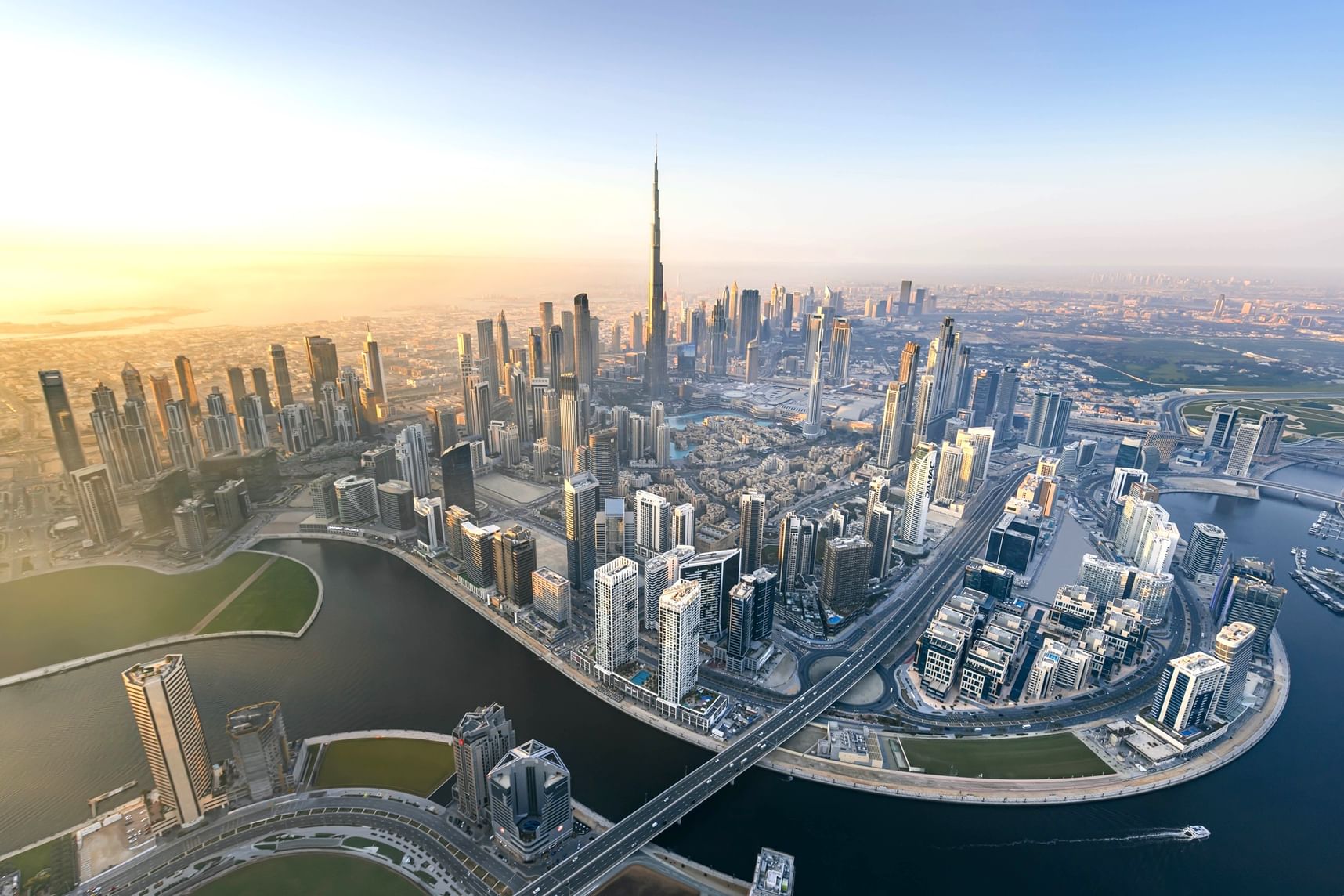
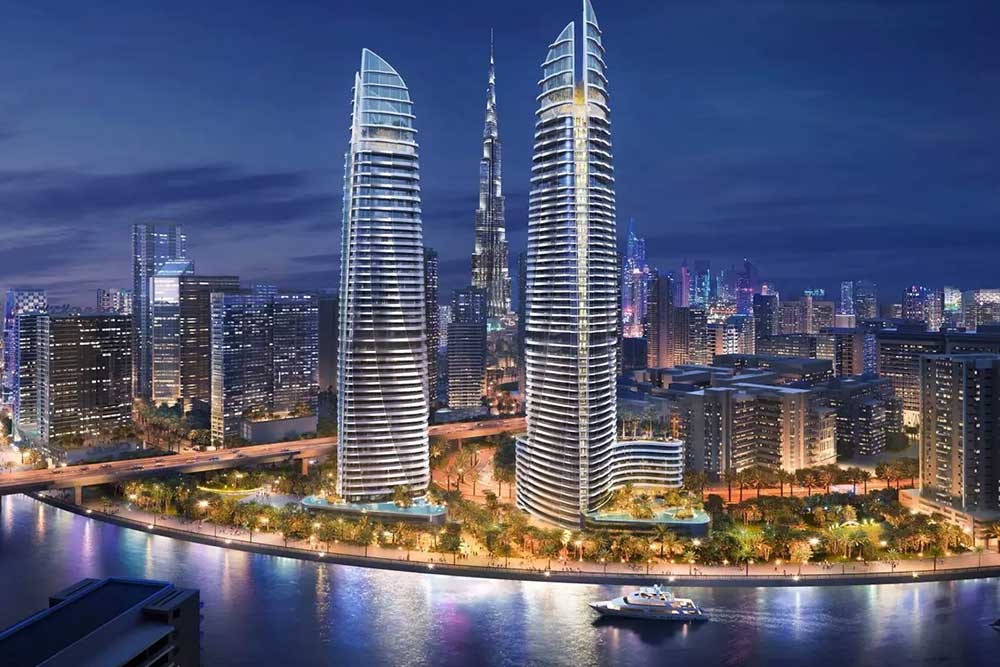
Dubai Creek Harbour
This large-scale waterfront district is evolving into a major iconic destination, anchored by projects like Dubai Creek Tower. It offers mixed-use appeal with creek views, retail, and leisure facilities. The area continues to attract significant interest for its long-term growth potential and lifestyle offerings.
Dubai Hills Estate (Emaar)
A flagship master-planned community known for its green spaces, golf course, parks, and family-friendly environment. It provides excellent connectivity to key parts of Dubai. Off-plan villas, townhouses, and apartments here appeal to both end-users and investors seeking balanced lifestyle and rental demand.
Emaar Beachfront
An exclusive gated waterfront community near Dubai Marina, featuring luxury apartments with Gulf and skyline views. Limited inventory and premium positioning support resilient demand and quality tenant appeal.
DAMAC Lagoons
This resort-style development emphasizes Mediterranean-inspired living with lagoons, water features, villas, and townhouses. It targets buyers looking for leisure-oriented communities and has shown consistent interest in the luxury segment.
Mohammed Bin Rashid City (MBR City)
Including developments like District One, this centrally located area combines luxury residences with green spaces and proximity to business and leisure hubs. It offers a strong mix of prestige and accessibility.
Additional Areas with Potential
Emerging locations such as Dubai South, Dubai Islands, Palm Jebel Ali, JVC (Jumeirah Village Circle), Arjan, and Abu Dhabi expansions (e.g., Yas Island and Saadiyat Island) provide opportunities at relatively accessible price points. These areas often suit investors seeking higher yield potential alongside future growth as infrastructure matures.
Practical Tips for Successful Off-Plan Investing
To make the most of off-plan opportunities, consider these steps:
- Select Reputable Developers: Focus on established names like Emaar, DAMAC, Nakheel, and Sobha with strong delivery histories and financial stability.
- Evaluate Projects Carefully: Review RERA registration, detailed payment schedules, escrow arrangements, completion timelines, and master plan progress.
- Align with Your Goals: Choose luxury waterfront projects for prestige and capital focus, or family-oriented communities for steadier rental performance.
- Understand All Costs: Factor in Dubai Land Department fees (around 4%), service charges, potential maintenance, and furnishing costs.
- Work with Professionals: Engage licensed real estate consultants, lawyers, and independent advisors. Cross-check the latest Dubai Land Department data and third-party market reports.
- Take a Long-Term View: Off-plan investments typically perform best as a 3–7 year strategy rather than short-term speculation.
The UAE’s tax-free income, world-class infrastructure, safety, and pro-investor policies continue to support the sector’s appeal.
Conclusion
Off-plan properties remain a significant part of the UAE real estate landscape. They provide accessible entry to high-potential locations, manageable payment structures, and the prospect of both capital growth and rental income in a market underpinned by population inflows, economic expansion, and ongoing development.
Communities like Dubai Creek Harbour, Dubai Hills Estate, Emaar Beachfront, DAMAC Lagoons, and MBR City showcase the quality and ambition shaping the UAE’s future. Success depends on thorough research, choosing the right developer and location, and maintaining realistic expectations aligned with current market conditions.
Whether your focus is capital appreciation, rental yields, or a combination of both, off-plan investments can form a valuable component of a diversified portfolio. By partnering with reputable experts and staying informed, investors can navigate opportunities effectively and work toward their long-term financial goals in one of the world’s most dynamic real estate markets.