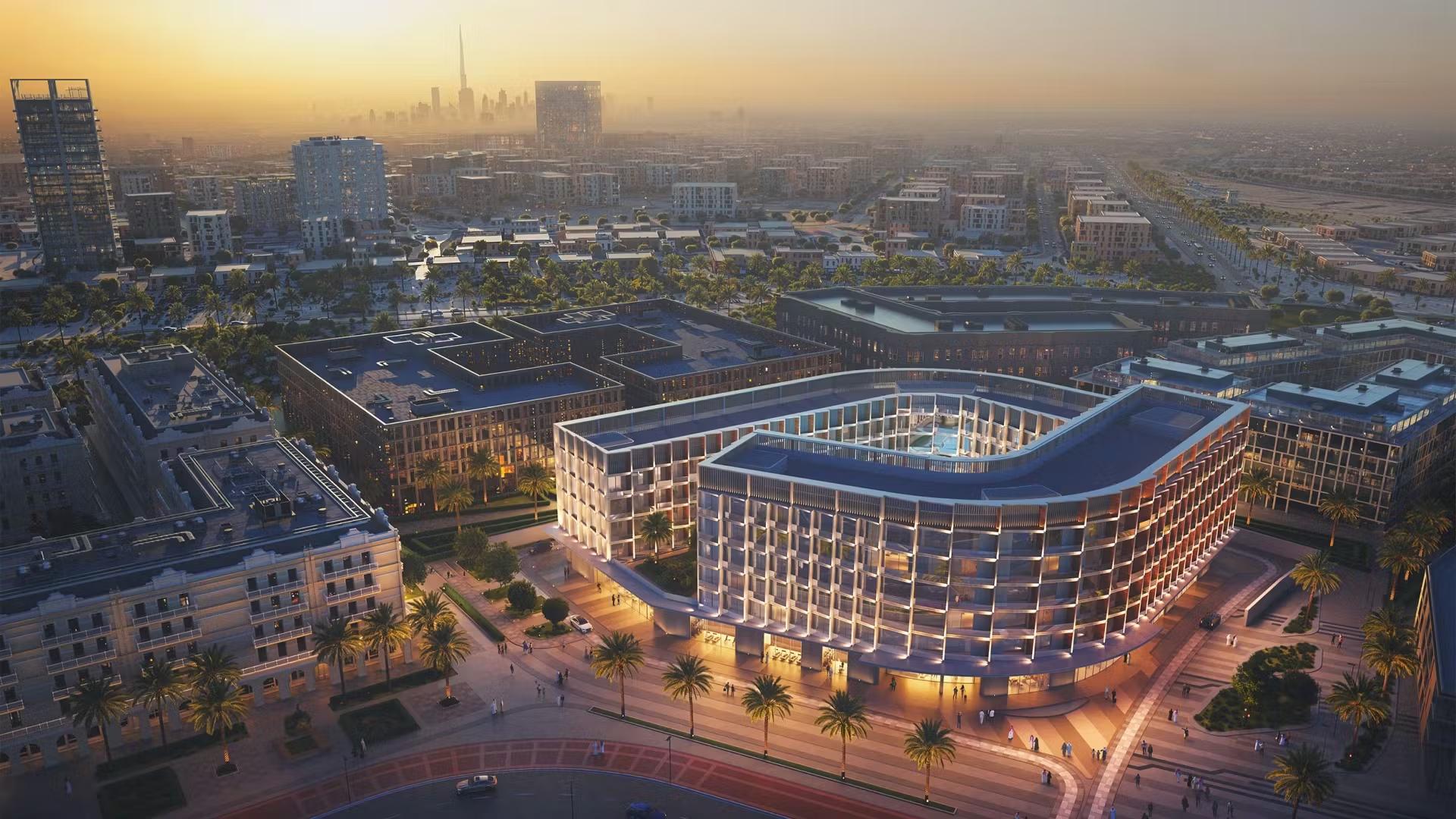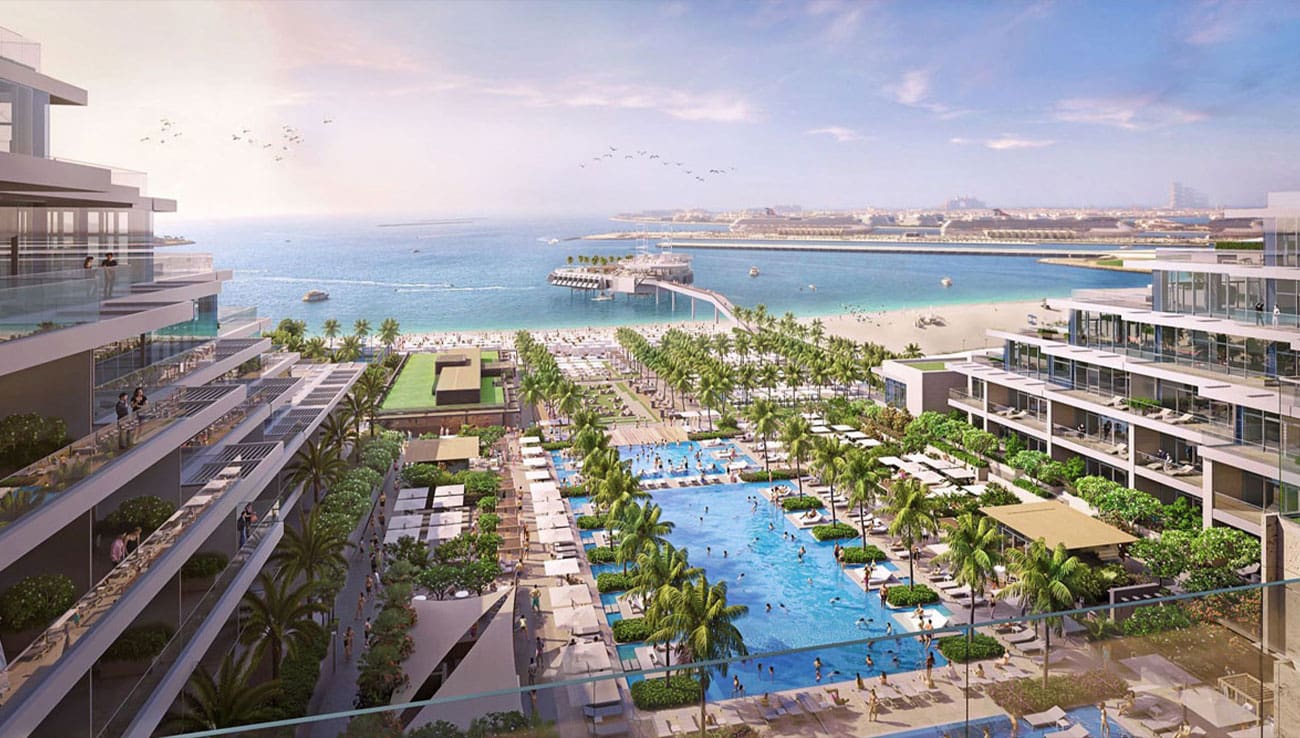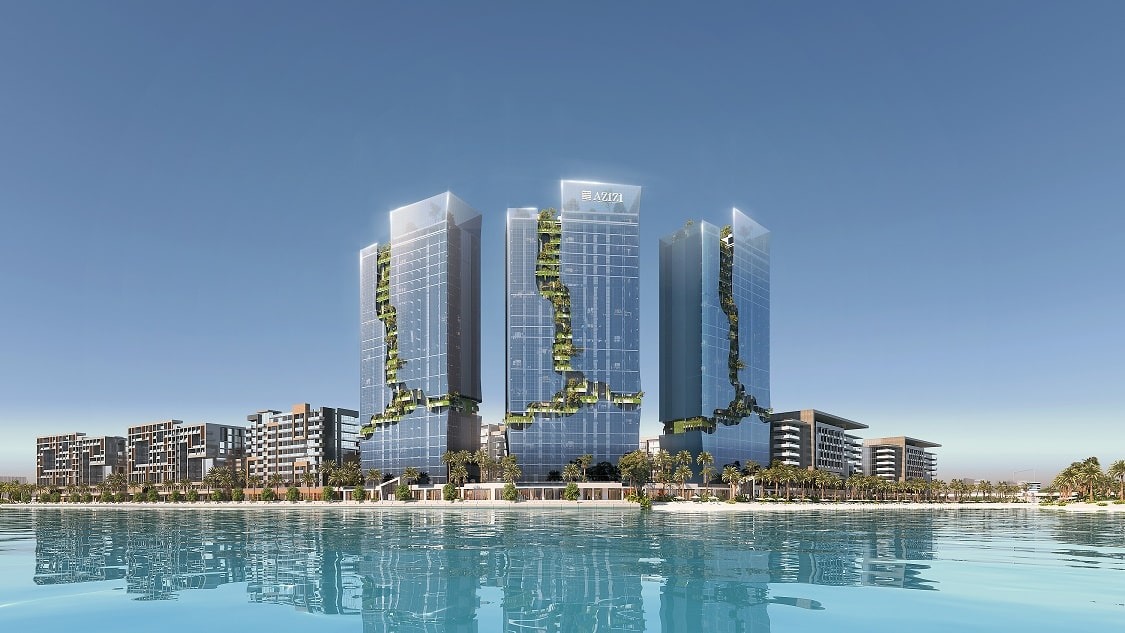


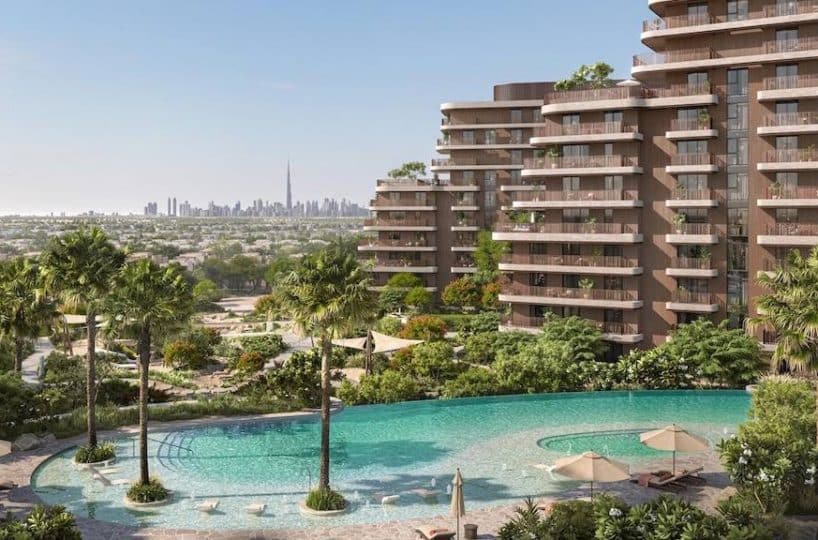
Dubai continues to rank among the world’s most attractive real estate markets, drawing investors and homebuyers with modern architecture, world-class infrastructure, tax-free ownership in freehold areas, and strong lifestyle appeal. Off-plan properties — units purchased before completion — currently dominate the market, accounting for 70-76% of residential transactions in early 2026.
While off-plan buying offers genuine opportunities, the market is maturing with a substantial supply pipeline ahead. This guide provides a realistic, up-to-date overview to help you navigate the process confidently.
What Is Off-Plan Property in Dubai?
An off-plan property is a residential unit (apartment, villa, or townhouse) sold by a developer while still under construction or in the planning phase. Buyers purchase based on detailed floor plans, 3D renderings, master plans, amenity descriptions, and an expected handover timeline — usually 2 to 4 years from purchase.
Payments are typically spread over installments linked to construction milestones. All buyer funds must be held in a regulated escrow account, ensuring money is used only for the specific project. Upon completion, the buyer receives the unit and the title deed.
This model allows developers to fund projects while giving buyers access to newer designs, smarter features, and often more competitive pricing.
Why Buyers Choose Off-Plan in Dubai
Off-plan purchases remain popular for several strong reasons:
- Early selection of premium units, higher floors, better views, and preferred layouts.
- More attractive launch prices compared to post-completion values.
- Flexible, extended payment plans that improve affordability.
- Access to brand-new communities with contemporary architecture, smart-home technology, wellness facilities, pools, gyms, green spaces, and retail integration.
- Potential for capital appreciation as infrastructure and the community mature.
In 2026, high sell-through rates (over 94% for some 2026 deliveries and 71%+ across the 2026-2029 pipeline) reflect continued buyer confidence.
Popular Property Types
Apartments:
The dominant off-plan category. Ideal for investors due to rental demand, lower maintenance, and variety in high-rise and mid-rise buildings.
Villas & Townhouses:
Preferred by families and long-term residents. These offer more space, privacy, gardens, and community amenities. Supply is more limited, supporting stronger demand.
Branded Residences:
Ultra-luxury projects developed with international hospitality or lifestyle brands. They command premium pricing and service charges but attract high-net-worth buyers seeking exclusivity.
Best Locations for Off-Plan in 2026
Location remains the single most important decision factor. Leading areas include:
Dubai Creek Harbour:
Ambitious waterfront master plan with parks, cultural districts, and future connectivity. Strong long-term potential but high competition among projects.
Emaar Beachfront:
Direct beach access, luxury apartments, and iconic views. Premium positioning for lifestyle and investment buyers.
Dubai Hills Estate:
Family-friendly master community with parks, golf, schools, and mixed housing. Excellent end-user demand and liquidity.
Dubai Marina & Downtown Dubai:
Established, high-rental-yield areas with proven track records and strong walkability.
Business Bay & Jumeirah Village Circle (JVC):
More accessible pricing with good connectivity. Higher supply in some segments requires careful project selection.
Dubai South / Emaar South:
Growth tied to Al Maktoum Airport expansion. Suitable for longer-term horizons.
Focus on master-planned communities backed by reputable developers with strong delivery histories.
Dubai’s Strong Regulatory Framework
Dubai offers robust buyer protections through the Dubai Land Department (DLD) and Real Estate Regulatory Agency (RERA):
- Mandatory project registration before sales begin.
- Escrow accounts protect buyer funds.
- Milestone-based payments.
- Developer licensing and compliance monitoring.
- Statutory limits on developer retention if a buyer needs to exit (typically 25-40% depending on progress).
- Full refund processes (minus any statutory deductions) in case of project cancellation due to developer fault.
These measures make Dubai’s off-plan market significantly safer than many other global destinations, provided buyers follow due diligence.
Essential Due Diligence Checklist
- Verify Developer Track Record — On-time delivery, quality standards, and financial stability.
- Check Official Registration — Confirm RERA and DLD project registration and active escrow account.
- Analyze Location Fundamentals — Future infrastructure, supply pipeline in the sub-area, transport links, and demand drivers.
- Review Legal Documents — Carefully read the Sales Purchase Agreement (SPA), payment schedule, delay penalties, and force majeure clauses.
- Calculate Full Costs — Include 4% DLD transfer fee, agent fees (if any), annual service charges, and potential maintenance costs.
- Seek Independent Advice — Consult a neutral real estate advisor or lawyer.
Off-Plan for Investors vs End-Users
Investors
should prioritize rental yield potential, capital growth drivers, liquidity, and exit strategies. Diversification across property types and locations is advisable. Focus on quality over quantity.
End-Users
benefit from planning their future home but must be prepared for waiting periods and possible delays. Prioritize community maturity, schools, healthcare, and lifestyle alignment at handover.
Many buyers adopt a balanced approach: combining off-plan for growth potential with ready properties for immediate use or income.
Future Outlook for Dubai Off-Plan Property
Dubai’s long-term fundamentals are solid — sustained population growth, economic diversification, tourism recovery, and major infrastructure projects. New developments continue to push standards in sustainability, smart living, and community design.
In 2026, the market is expected to remain active but more selective. Well-located projects from established developers in high-demand communities should continue performing well, while speculative or oversupplied mid-market segments may see tempered returns.
Conclusion
Off-plan property in Dubai offers a compelling route to modern homes, lifestyle upgrades, and potential long-term value in one of the world’s fastest-evolving cities. However, it is not a guaranteed or low-risk path. The large supply pipeline in 2026 demands careful selection, realistic expectations, and thorough research.
By focusing on reputable developers, prime or well-planned locations, verified projects, and professional advice, buyers can maximize opportunities while managing risks effectively.
Whether you are an investor seeking growth or an end-user planning your next home, informed decision-making remains the key to success in Dubai’s dynamic real estate market.