

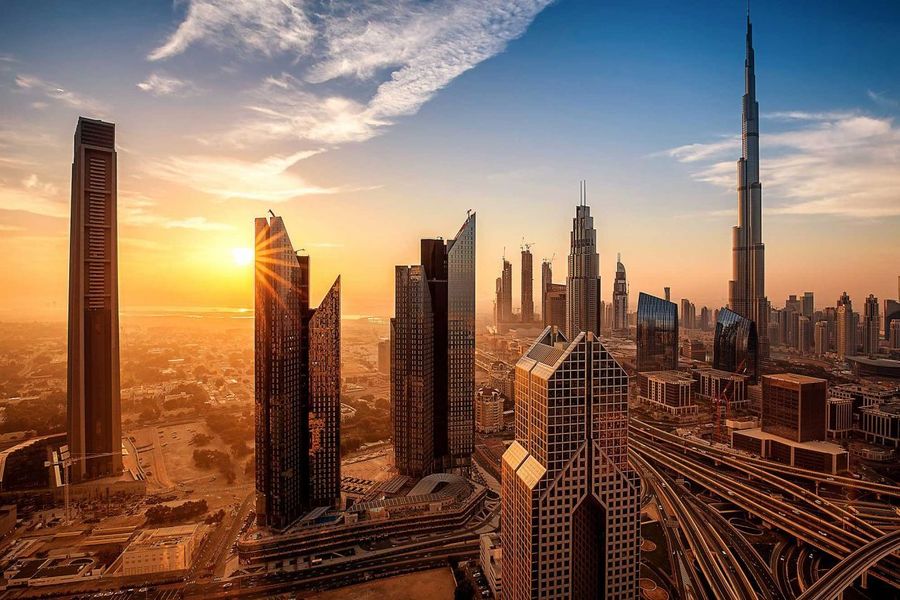
Dubai continues to rank among the world’s most attractive property markets for local buyers, international investors, expats, and business owners. The emirate combines modern infrastructure, diverse luxury and affordable communities, solid rental demand, a tax-friendly environment, excellent global connectivity, and ambitious long-term development plans.
While the market delivered record transaction volumes in recent years, 2026 marks a transition to a more mature and balanced phase. Off-plan sales still dominate (around 60-70% of transactions), but rental growth has moderated and a significant supply pipeline — with over 120,000 residential units expected for delivery — is creating more selective conditions, particularly in mid-market apartment segments. Investors who focus on quality locations, reputable developers, and realistic expectations can still benefit from rental income and potential capital appreciation.
Why Dubai Remains a Strong Investment Market
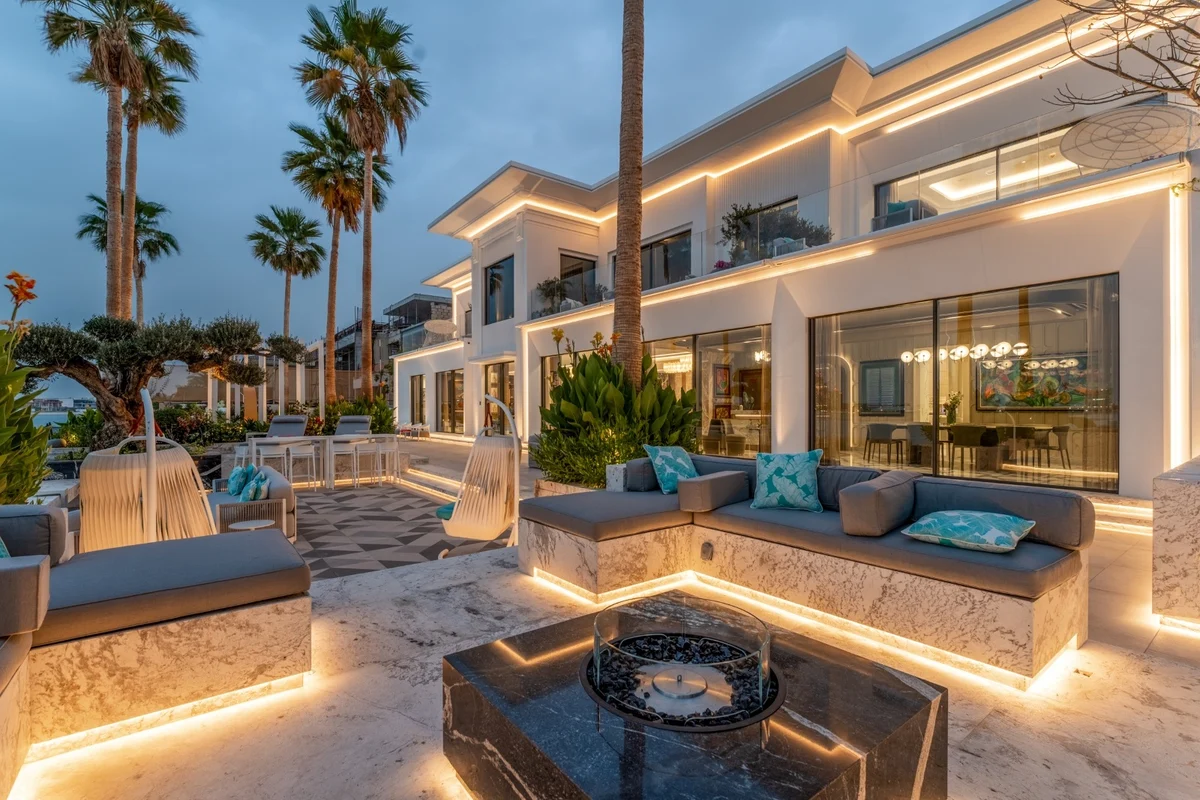
Dubai’s property market serves different investor profiles. Some seek off-plan apartments for potential future growth and flexible payment plans, while others prefer ready villas, townhouses, or waterfront properties for immediate rental income and lifestyle value. This variety supports both first-time buyers and seasoned investors pursuing rental yields, portfolio diversification, or long-term residency options.
Key fundamentals supporting the market in 2026
include continued population growth, strong inflows of professionals and high-net-worth individuals, a safe and business-friendly environment, and ongoing infrastructure projects. However, the rapid expansion of recent years has given way to more measured price and rental growth. Gross rental yields typically range between 6% and 8% (higher in some affordable and emerging areas), which remain competitive globally, though net yields are lower after costs.
Understanding Rental Demand in Dubai
Rental demand stays resilient, driven by professionals, entrepreneurs, families, and tourists relocating for career opportunities and quality of life. Over 139,000 rental transactions were recorded in early 2026, reflecting steady tenant inflows.
That said, rental growth has slowed compared to the double-digit increases seen in previous years. Increasing supply, especially in apartment-heavy communities, is leading to more competition and selective tenant behavior. Prime and family-oriented areas with strong amenities tend to hold demand better, while some mid-market locations may see softer rents or higher vacancy periods. Investors should factor in realistic occupancy rates and potential landlord incentives when projecting returns.
Off-Plan Properties: Opportunities and Risks
Off-plan properties remain popular because they often offer lower entry prices, attractive payment plans (sometimes extending over several years), and access to new developments with modern designs and amenities. Popular locations for off-plan launches include Dubai South, Jumeirah Village Circle (JVC), Business Bay, Dubai Creek Harbour, Dubailand, Arjan, and Dubai Hills Estate.
These areas provide a mix of affordability, future infrastructure improvements, and lifestyle appeal. However, off-plan investing carries notable risks in 2026:
- Construction delays — still possible even with established developers.
- Market timing matters: not every project will deliver the same level of appreciation or rental performance.
Buyers should prioritize RERA-registered projects from reputable developers with strong delivery track records. Always review escrow arrangements, payment milestones, and historical project performance before committing.
Key Benefits — With Important Realities
Dubai real estate offers several genuine advantages:
- Freehold ownership for non-UAE nationals in designated areas.
- No traditional annual property tax based on market value (unlike many global cities).
- Wide selection of apartments, townhouses, villas, and off-plan projects.
- Modern infrastructure, excellent connectivity, and high-quality communities with schools, parks, malls, and healthcare.
- Strong long-term development vision backed by government plans.
- Attractive gross rental yields compared to many mature markets.
Spotlight on Key Investment Areas in 2026
Dubai South
Positioned near Al Maktoum International Airport and Expo City, this emerging hub offers more accessible entry prices for apartments, townhouses, and family homes. Long-term potential is strong due to logistics growth and airport expansion, but investors should monitor supply delivery timelines.
Jumeirah Village Circle (JVC)
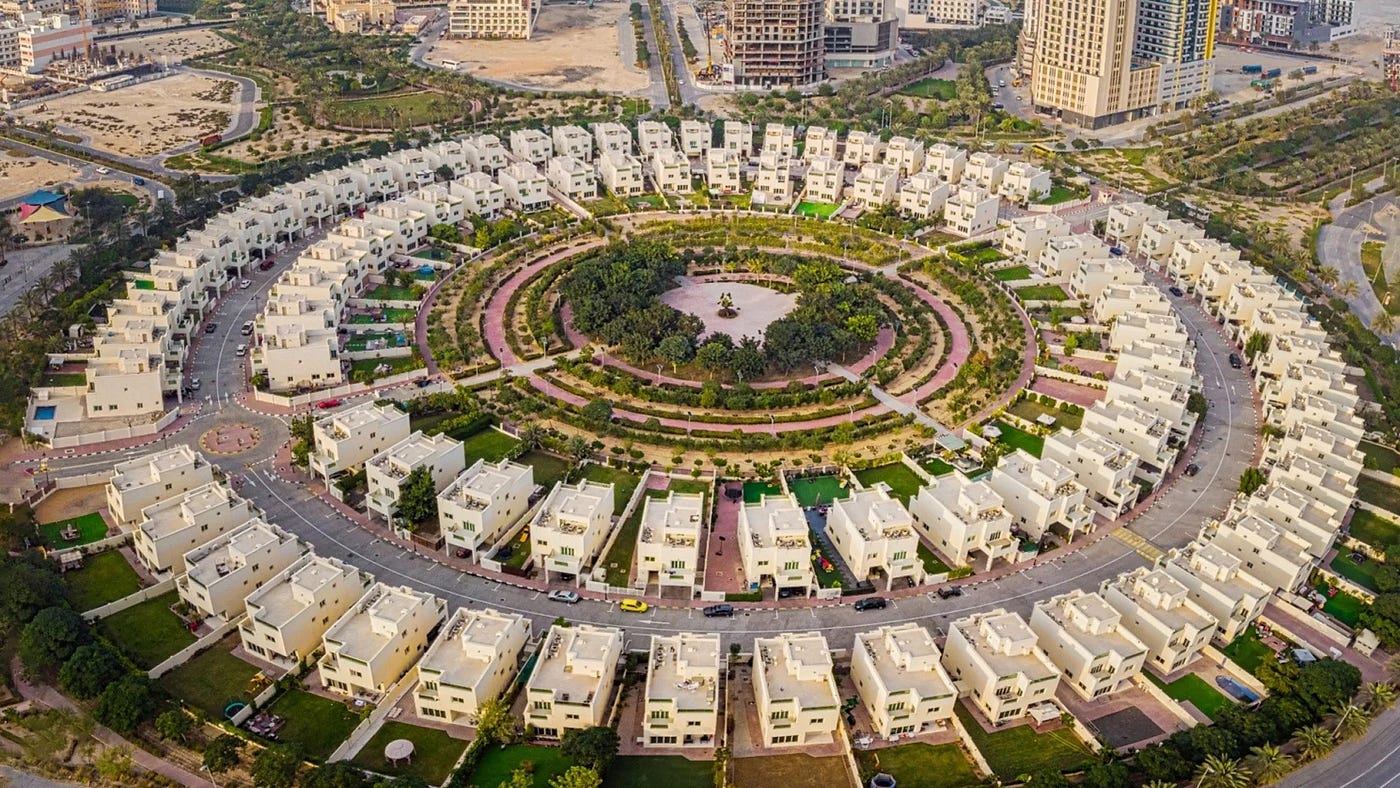
A well-established, family-friendly community with apartments, townhouses, villas, parks, schools, and retail. It benefits from good connectivity to Dubai Marina, JLT, and Business Bay. JVC has historically delivered steady rental demand and resale activity, though increased supply may require more competitive pricing in 2026.
Business Bay
A central, premium location close to Downtown Dubai, popular with professionals and executives. Canal-facing apartments and branded residences attract urban tenants. Demand remains solid, but competition is higher and prices reflect the prime positioning.
Dubai Creek Harbour
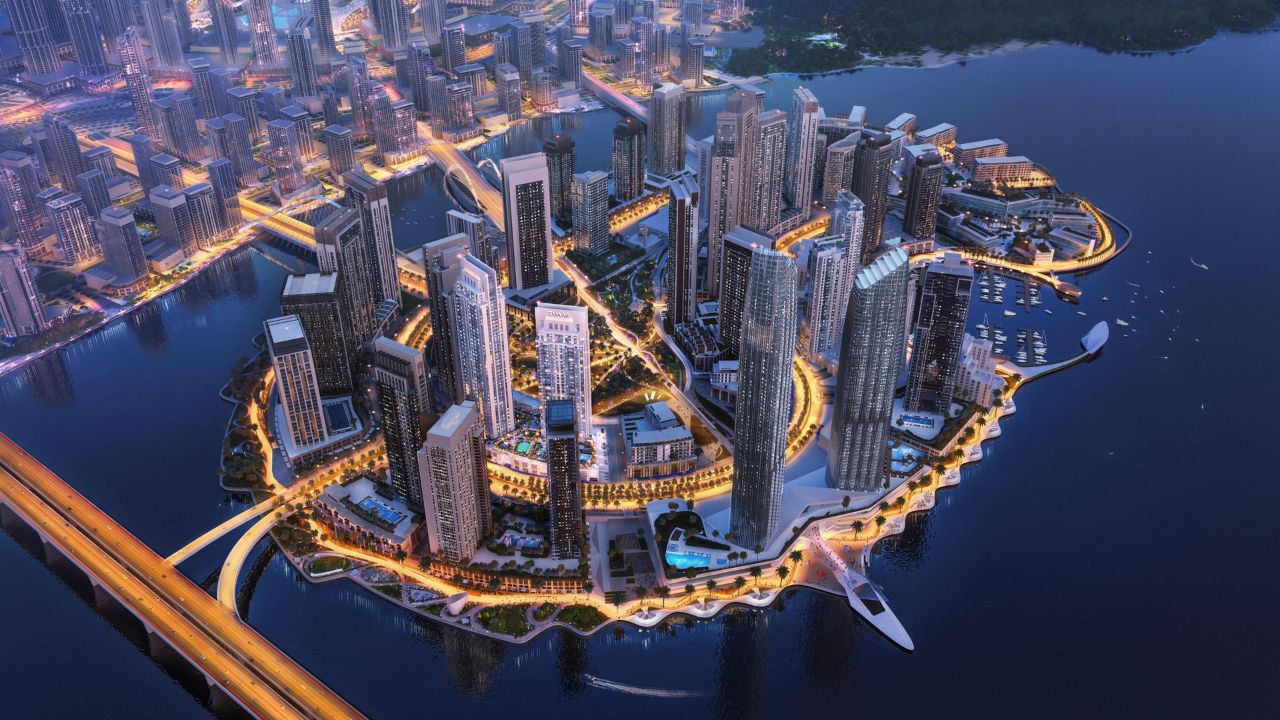
One of the strongest long-term waterfront destinations, featuring modern apartments, skyline views, and premium lifestyle facilities. Led by major developers, it appeals to both end-users and tenants seeking quality. Capital appreciation potential is often highlighted here, supported by ongoing master-plan development, though early phases carry typical off-plan risks.
Dubai Hills Estate
A master-planned community known for its green spaces, parks, golf course, schools, healthcare, and Dubai Hills Mall. It attracts families and offers strong end-user demand with better resilience to market moderation. This area is frequently cited for more stable long-term value retention.
Apartments vs. Villas and Townhouses
Apartments
(studios, 1- and 2-bedroom units) dominate investor activity because they are easier to rent and resell. They suit working professionals and small families, with strong demand in Business Bay, Dubai Marina, JVC, Arjan, and Dubai South. Yields are often higher in these segments, but oversupply risks are more pronounced.
Villas and townhouses
appeal to families seeking privacy, outdoor space, and community facilities. Popular communities include Dubai Hills Estate, Dubailand, The Valley, Arabian Ranches, and Tilal Al Ghaf. These properties generally experience steadier demand and lower vacancy rates but come with higher absolute prices and maintenance considerations.
Why International Investors Still Choose Dubai
The buying process is transparent and well-regulated. Freehold ownership is available in designated areas, and the DLD and RERA provide clear oversight. Dubai’s safety, lifestyle, business environment, and tax advantages continue to draw buyers from Europe, Asia, Africa, and the Middle East. Golden Visa programs linked to property investment further enhance appeal for long-term residency.
Dubai’s Long-Term Development Vision
The emirate’s expansion includes new transport networks, residential communities, business zones, and waterfront projects. Areas linked to major airports, metro lines, highways, and key attractions generally offer better long-term prospects. Investors should evaluate not just current pricing but how a location fits into Dubai’s broader growth story through 2030 and beyond.
Different Investment Strategies
Investors pursue varied goals in Dubai:
- Ready properties for immediate rental income
- Off-plan purchases for potential capital appreciation and staggered payments
- Apartments for easier management
- Villas/townhouses for family-oriented, longer-term tenancies
- Second homes or future relocation options
No single strategy fits everyone. Matching property type and location to your timeline, risk tolerance, and cash-flow needs is crucial.
Future Outlook for Dubai Real Estate
As of April 2026, Dubai’s property market shows resilience with firm prices in many segments and continued off-plan interest. However, the year is expected to be more measured than the boom periods of recent years. Prime, family-focused, and well-connected communities (such as Dubai Hills Estate and Dubai Creek Harbour) are likely to perform more robustly, while some mid-market apartment areas may face greater competition from new supply.
Fundamentals remain supportive: population and economic growth, high global yields relative to other cities, and ongoing infrastructure investment. A widespread crash is not the consensus view among analysts; instead, the market appears to be normalizing toward sustainable growth. Success in 2026 and beyond will depend on selecting quality assets in locations with genuine demand drivers rather than chasing short-term speculation.
Conclusion
Dubai offers meaningful real estate investment opportunities in 2026 for those seeking rental income, lifestyle benefits, or long-term capital appreciation. The city’s strengths — modern infrastructure, diverse communities, regulatory framework, and global appeal — are real. At the same time, the market has become more competitive and selective due to rising supply and moderating rental growth.
Investors who conduct proper due diligence, understand true ownership costs, differentiate between strong and average locations, and work with reputable professionals are best positioned to benefit. Dubai is not a guaranteed high-return market in every segment, but it remains one of the more dynamic and investor-friendly destinations globally when approached with realistic expectations and a long-term perspective.
For the latest data, consult official sources such as the Dubai Land Department, RERA, and independent market reports from firms like Knight Frank, Cavendish Maxwell, or CBRE. Informed decisions, rather than optimism alone, will define successful outcomes in Dubai’s evolving property landscape.