

Dubai’s real estate market remains one of the world’s most dynamic investment destinations. Its modern infrastructure, cosmopolitan appeal, tax advantages, and steady demand from expatriates continue to attract global investors. However, understanding realistic Return on Investment (ROI) is crucial in 2026, as the market shifts toward more balanced growth amid rising supply and external economic factors.
ROI combines rental yields (annual rental income as a percentage of property value) and capital appreciation, minus costs like service charges, maintenance, vacancy, and fees. Gross yields rarely equal net returns. Successful investors focus on location, property type, timing, developer reputation, and risk management rather than chasing headline figures.
Why Dubai Still Offers Strong ROI Potential
Several structural advantages support solid returns:
Tax-free environment:
No income tax on rental yields and no capital gains tax for individuals, significantly boosting net returns compared to most global markets.
Expatriate-driven demand:
Dubai’s population growth and transient workforce create consistent rental needs.
World-class infrastructure:
Airports, metro expansions, highways, and master-planned communities enhance livability and property values.
Investor-friendly policies:
Freehold ownership for foreigners in designated areas, flexible payment plans, and clear regulations via the Dubai Land Department (DLD).
Liquidity and diversification:
A mature secondary market and options for both short-term (Airbnb-style) and long-term rentals.
These factors make Dubai attractive, but 2026 brings a more cautious outlook with increased supply, moderating rents in some segments, and potential short-term price pressures.
Realistic Rental Yields and Appreciation in 2026
Average residential rental yields:
Approximately 6.5–7.2% gross as of mid-2026. Apartments generally deliver higher yields (~7.15%) than villas (~5%).
Net yields:
Typically 1–2% lower after service charges (often AED 15–25 per sq ft annually in high-rises), maintenance, and vacancies (around 10–15% in some areas).
Capital appreciation:
Moderate in 2026. Prime and well-located projects may see 5–10% annual growth, while off-plan gains during construction vary widely (historically 10–20%+ possible but not guaranteed; some projects underperform).
High-yield areas often trade lower capital growth for better cash flow, and vice versa in premium locations.
Property Types: Matching Strategy to Goals
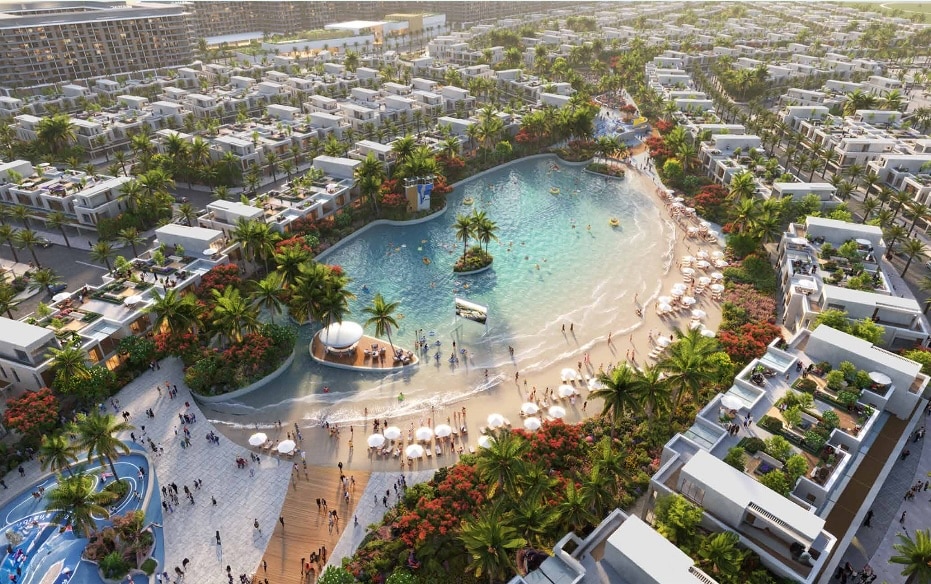
Off-Plan Properties
Lower entry prices, flexible 10–20%+ down payment plans spread over years, potential capital appreciation upon completion and handover.
Ready-to-Move Apartments
Immediate rental income, established amenities, and communities. Lower risk profile with predictable (though not guaranteed) occupancy. Ideal for cash-flow-focused investors.
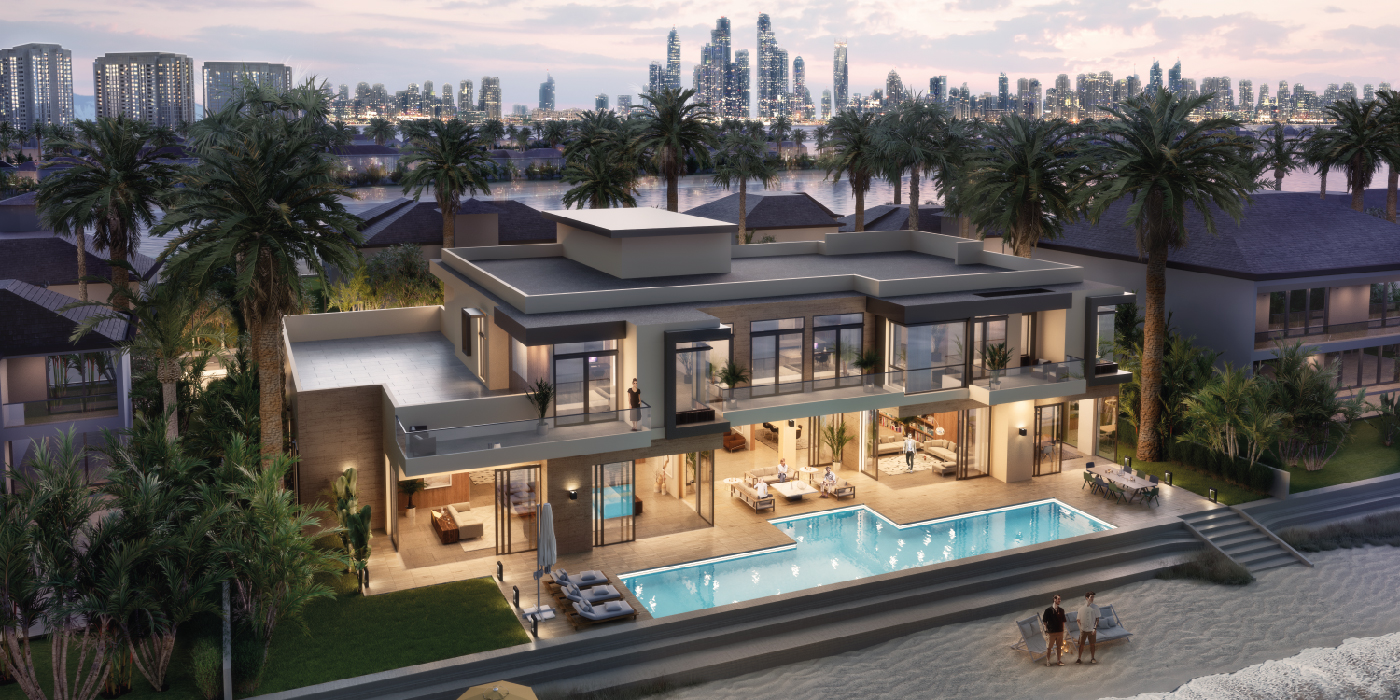
Luxury Villas and Townhouses
Premium rents from families and high-net-worth tenants, stronger long-term appreciation in master communities, but lower yields (often 4–6%) and higher maintenance/service charges. Suited for wealth preservation and lifestyle buyers.
Prime Locations: Balancing Yield, Growth, and Risk
No single area guarantees “maximum ROI.” Performance depends on your goals:
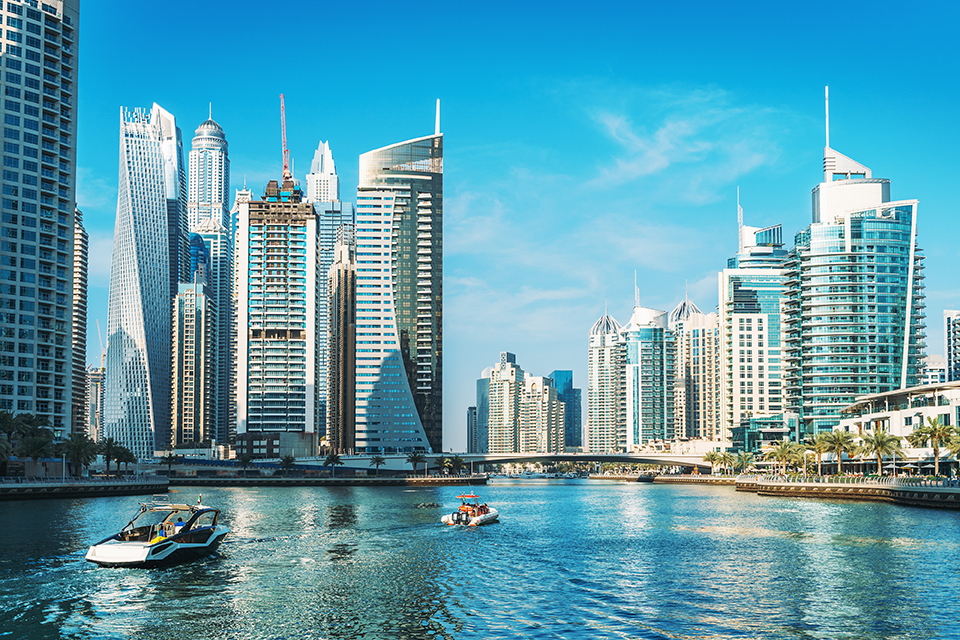
Dubai Marina & JBR:
Iconic waterfront lifestyle, strong demand from professionals and tourists, high occupancy. Good for appreciation and short-term rentals, but yields often 5.5–7% due to higher prices.
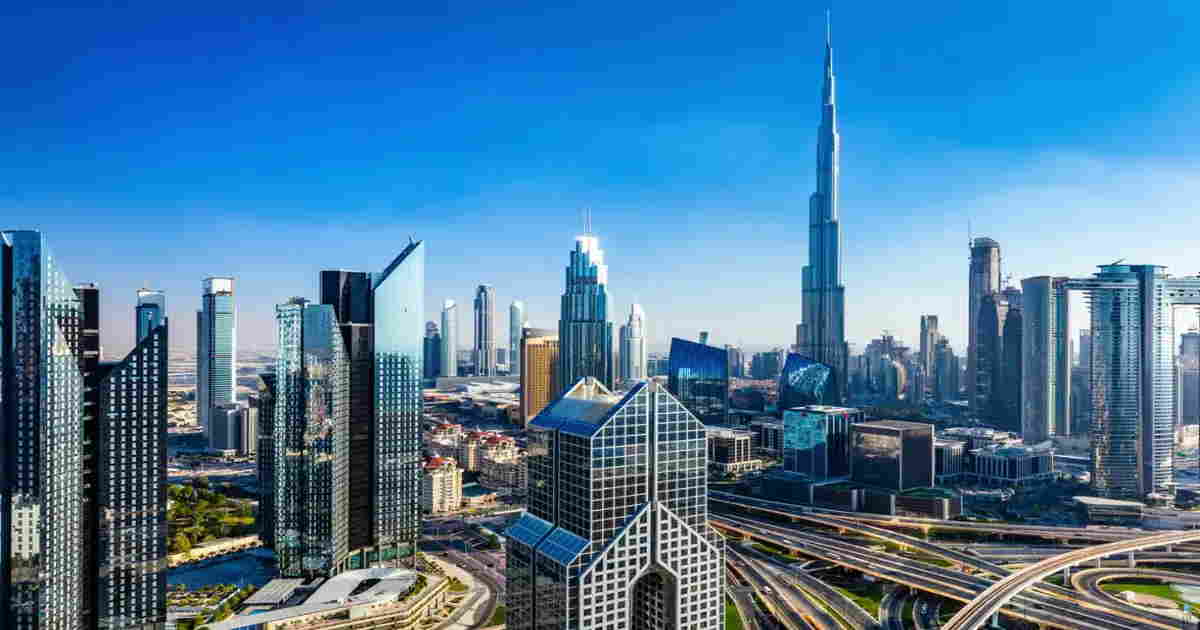
Downtown Dubai:
Proximity to Burj Khalifa and Dubai Mall drives prestige and corporate demand. Excellent capital growth potential, but lower yields (around 5–6.5%) and higher service charges.
Business Bay:
Mixed-use convenience near offices. Solid corporate rentals and balanced returns.
Jumeirah Village Circle (JVC):
Family-friendly, affordable, growing community with easy highway access. Strong yields (often 7–9% gross) and good occupancy. Popular for mid-market investors.
Dubai Hills Estate:
Master-planned greenery, parks, schools, and villas/townhouses. Appeals to families with competitive yields and strong long-term growth.
Higher Pure Yield Areas (2026): Dubai Silicon Oasis, Dubai Sports City, International City, Al Furjan, and Dubai South often deliver stronger cash-flow returns (7–10%+ gross in affordable segments), though with less prestige and potentially slower appreciation.
Strategies to Maximize ROI in 2026
- Diversify: Mix off-plan (for growth) and ready properties (for income). Spread across 2–3 locations and property types.
- Focus on fundamentals: Prioritize proximity to metro, schools, offices, and retail. Check vacancy rates and rental indices via DLD/RERA.
- Developer due diligence: For off-plan, review track record on delivery, quality, and escrow protections.
- Financing and costs: Use mortgages strategically (they can amplify returns but add interest risk). Budget for ~4% DLD registration fees (often paid by buyer), agent fees (2%), and ongoing service charges.
- Professional management: Outsource to reputable firms for short-term rentals or to minimize vacancies.
- Exit strategy: Plan for 5+ years; the market rewards patient holders.
Legal and Practical Considerations
- Freehold vs. Leasehold: Foreigners enjoy full ownership rights in freehold zones.
- Fees: DLD transfer/registration ~4% of property value. No annual property tax, but a small municipal housing fee applies via DEWA bills.
- Tenancy Law: RERA-regulated leases provide protections for both landlords and tenants.
- Visa Benefits: Property ownership can support residency visas (rules updated in 2026; check current thresholds).
- Always verify title deeds, NOCs, and use licensed agents. Engage independent legal/financial advisors.
Emerging Trends Shaping ROI
- Supply pressures: Significant new units expected in 2026, potentially moderating rents and increasing vacancy in apartment-heavy areas.
- Sustainability and wellness: Green-certified communities and family-oriented master plans command premiums.
- Short-term rentals: Popular in tourist/professional hubs but subject to regulations and higher management effort.
- Infrastructure boosts: New metro lines, Al Maktoum Airport expansion, and waterfront projects support long-term value in connected areas.
- Market maturation: Shift toward long-term holding rather than quick flips.
Quick ROI Summary (2026 Realistic Expectations)
- Gross Rental Yields: 6–8% average (apartments higher; villas lower). Top affordable areas: 7–10%.
- Capital Appreciation: 5–12% annually possible in strong projects/locations (highly variable).
- Best Balanced Areas: JVC, Dubai Hills, Business Bay, Marina.
- Risk-Adjusted Approach: Combine yield-focused and growth-focused assets.
- Key Advantages: Tax-free income, strong liquidity in prime spots, long-term demand drivers.
Conclusion
Dubai continues to offer compelling opportunities for profitable real estate investment in 2026 and beyond. Tax advantages, quality infrastructure, and demographic tailwinds provide a strong foundation. However, the era of easy double-digit gains with minimal risk has evolved. Success requires research, realistic expectations, diversification, and careful selection of location, property type, and developer.
Off-plan investments can deliver excellent appreciation for patient capital, while ready properties provide immediate, reliable income. Premium iconic areas excel in lifestyle and long-term value, while mid-market and emerging communities often maximize cash flow.