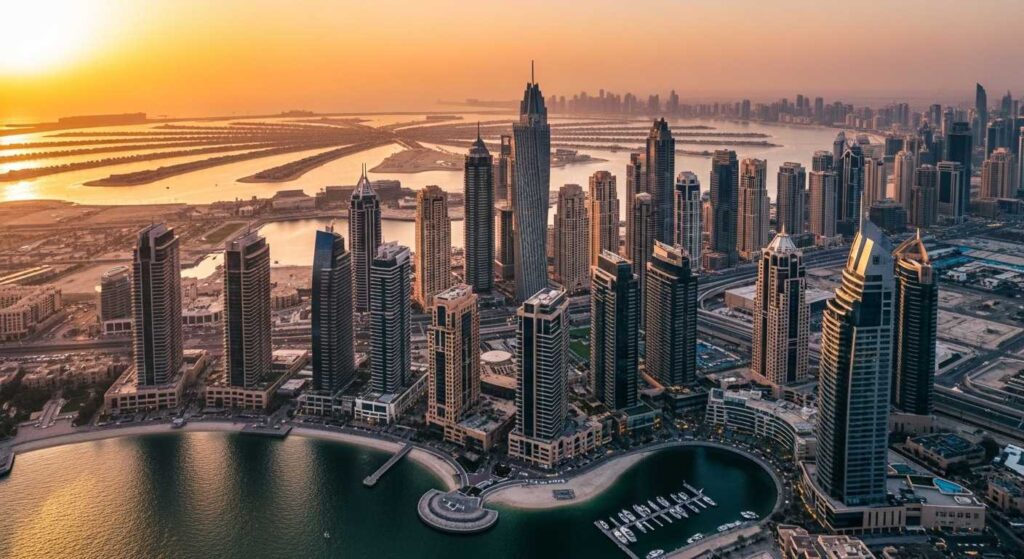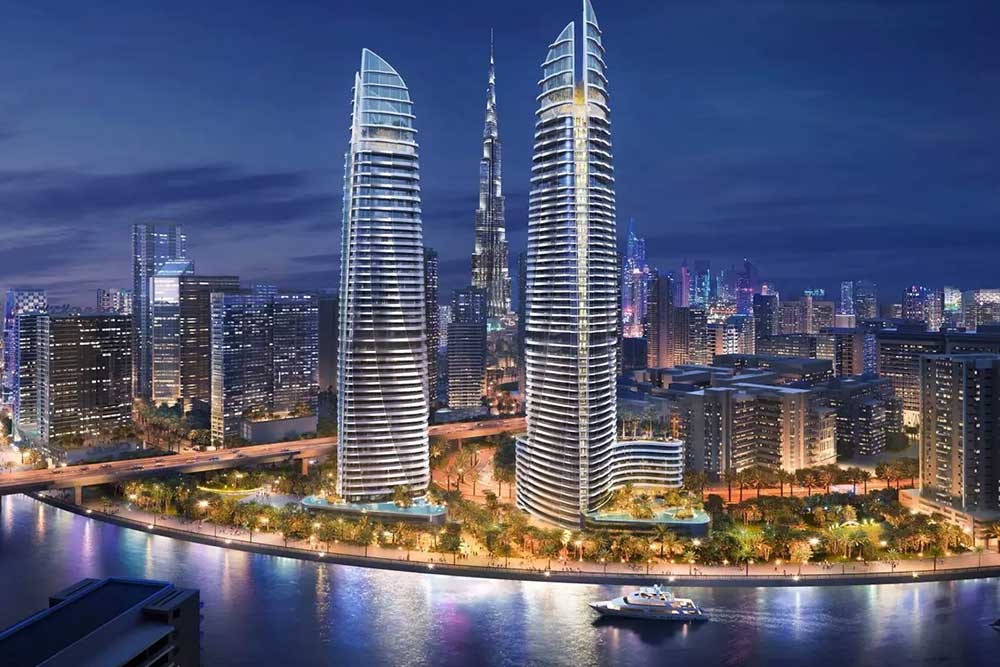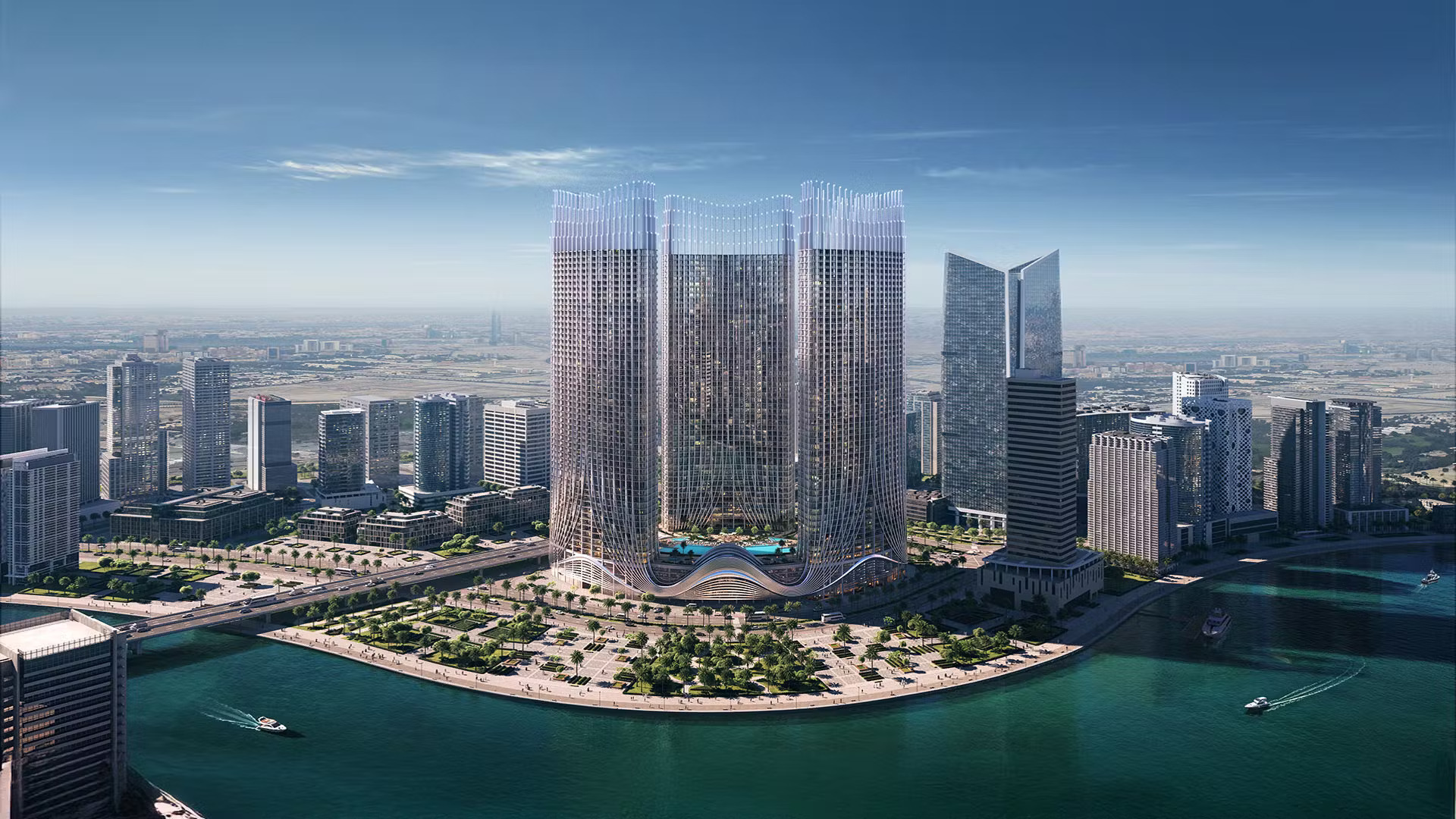


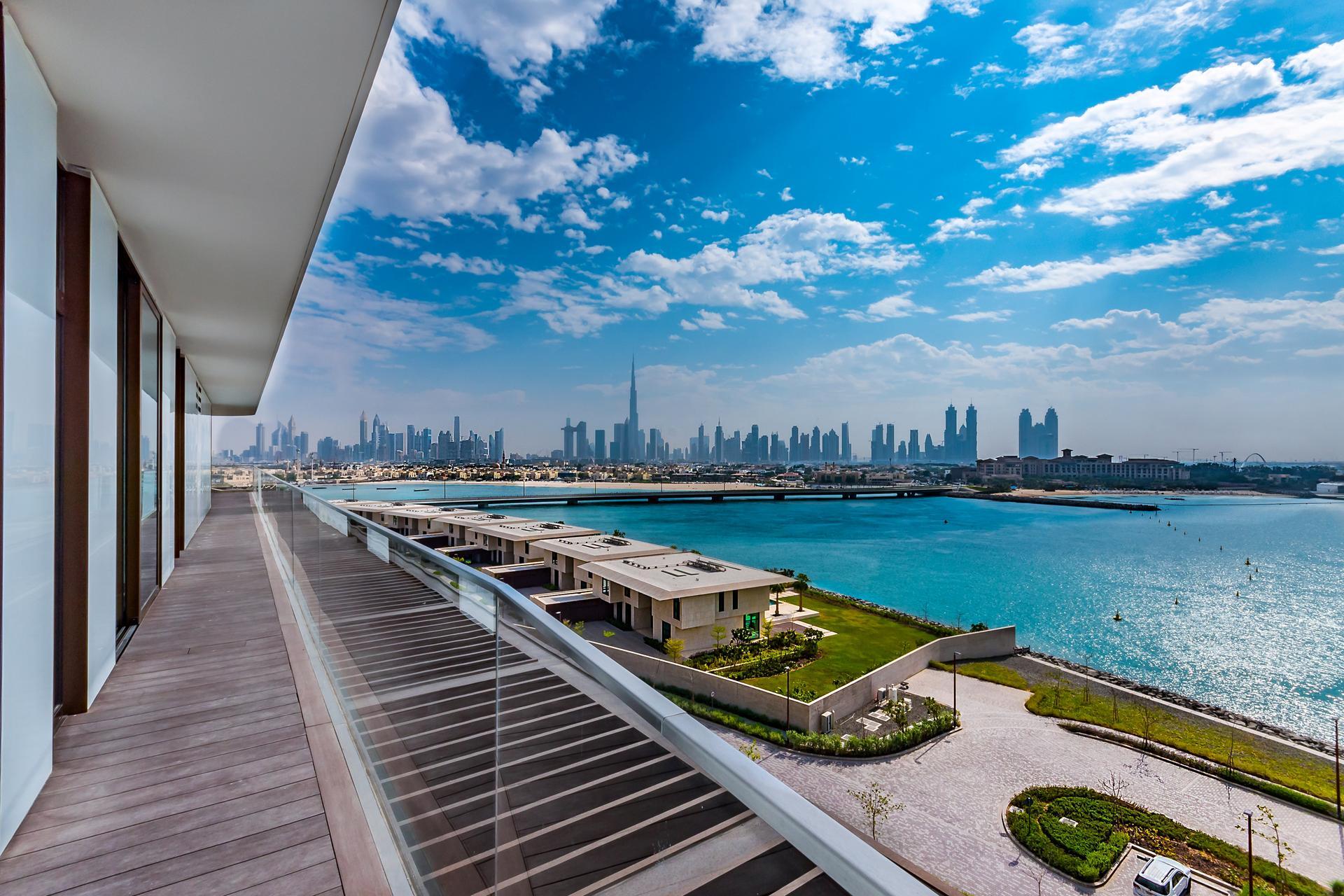
Dubai’s waterfront real estate continues to attract investors, end-users, and international buyers who seek a lifestyle connected to the sea, impressive skyline views, leisure amenities, and potential long-term value. From elegant sea-view apartments to luxury beachfront villas and marina-facing residences, these properties offer daily access to open water, promenades, and resort-style living in one of the world’s most dynamic cities.
That said, the market in 2026 is transitioning toward more balanced conditions. After several years of strong price growth, Dubai’s residential supply is surging significantly in 2025–2026, with actual deliveries projected around 40,000–55,000 units annually after accounting for delays. While prime waterfront segments—especially villas and well-located luxury properties—continue to benefit from limited supply and lifestyle demand, overall price appreciation has moderated to mid-to-high single digits in many areas. Rental yields remain attractive by global standards, with gross yields for apartments averaging around 6–7.5% and villas closer to 5–6%, though net yields are lower after service charges and maintenance.
The Dubai 2040 Urban Master Plan continues to support long-term improvements in quality of life, including expanded public beaches, more green spaces, enhanced walkability, and sustainable infrastructure. This benefits thoughtfully planned waterfront communities by improving connectivity and livability.
Why Waterfront Properties Appeal in Dubai
Buyers are drawn to waterfront addresses for a mix of lifestyle upgrades and investment considerations:
- Daily living quality: Easy access to beaches, marinas, canals, cycling tracks, cafes, and open spaces encourages wellness and a more relaxed environment compared to denser inland districts.
- Visual and emotional premium: Sea, marina, canal, or skyline views often make properties feel more spacious and exclusive.
- Master-planned communities: Many developments include retail, hospitality, parks, and transport links, making daily life more convenient.
- Rental potential: Water-view or beach-access properties can attract stronger tenant demand, sometimes commanding a 15–30% rental premium over comparable non-waterfront units in the same area.
Waterfront land is naturally scarce—only a small percentage of Dubai’s coastline is available for freehold development—which supports resilience in established prime locations. However, new coastal projects are adding supply, meaning performance will vary significantly by specific project, timing, and developer quality.
Main Types of Waterfront Properties
Waterfront Apartments
Popular for their modern high-rise living, shared amenities (gyms, pools, concierge), and relatively lower maintenance. They suit professionals, couples, small families, and investors looking for rental liquidity in vibrant areas like Dubai Marina or Business Bay.
Beachfront Residences
These provide close or direct beach access with resort-style features such as infinity pools, landscaped gardens, and wellness facilities. They appeal to buyers seeking a year-round holiday lifestyle, typically at higher price points in locations like Palm Jumeirah or Emaar Beachfront.
Waterfront Villas
Luxury villas offer privacy, private pools, gardens, and expansive water views. They primarily attract families and high-net-worth buyers. Limited supply in this segment has supported stronger demand and price resilience in recent years, though villa rental yields tend to be lower than apartments.
Marina and Canal View Homes
These combine urban convenience with water views and walkable access to dining, retail, and yacht clubs. Areas like Dubai Marina and Business Bay Canal remain popular with professionals who want both lifestyle and proximity to business hubs.
Top Waterfront Locations in 2026
Dubai Marina
A well-established, lively waterfront community known for high-rise apartments, marina views, restaurants, and excellent connectivity. It offers strong rental demand but faces competition from newer supply.
Palm Jumeirah
Dubai’s iconic palm-shaped island sets the benchmark for luxury beachfront living with apartments, villas, branded residences, and private beaches. Its maturity and limited supply continue to support a scarcity premium, making it a favorite for prestige and long-term holding.
Dubai Creek Harbour
This modern master-planned waterfront destination provides creek and skyline views alongside large parks and family-friendly amenities. It is seen as a growth area due to strong Emaar planning and ongoing infrastructure development, appealing to both end-users and investors.
Emaar Beachfront
A private island-style community offering direct beach access and resort-like living between Dubai Marina and Palm Jumeirah. Its premium positioning attracts buyers seeking coastal convenience.
Business Bay Canal
Canal-facing apartments near Downtown Dubai cater to professionals who want waterfront views with quick access to commercial areas.
Dubai Islands
An emerging coastal development focused on beaches, leisure, and residential communities. It offers longer-term potential but carries higher execution risks as infrastructure and community facilities mature. Buyers should carefully review timelines and master plans.
What to Evaluate Before Buying
A beautiful waterfront view is important, but sustainable value depends on practical factors:
- Community master plan: Review amenities, schools, healthcare, retail, transport, and alignment with the Dubai 2040 plan.
- View protection: Check approved future developments that could impact sea, canal, or skyline views.
- Developer track record: Focus on reputable names known for timely delivery and quality construction.
- Unit layout and orientation: Prioritize efficient space, natural light, and functional balconies.
- Service charges and maintenance: Waterfront properties often incur higher costs due to shared facilities and environmental exposure.
- Market data: Analyze current DLD transaction volumes, rental trends, vacancy rates, and realistic yield expectations.
- Legal due diligence: Verify RERA registration, escrow setup, title status, and any additional fees. Independent legal and financial advice is strongly recommended, especially for off-plan or high-value purchases.
Lifestyle Advantages of Waterfront Living
Waterfront communities enable morning beach or promenade walks, waterfront dining, water sports, cycling, and access to parks and wellness facilities. Families benefit from calmer, greener environments, while professionals enjoy a relaxing contrast to city work life. For investors, the strong “lifestyle story” can help support tenant demand and occupancy.
These advantages are most evident in well-maintained, fully delivered master-planned communities where promised infrastructure is actually realized.
Long-Term Value Outlook
Prime waterfront properties in established areas like Palm Jumeirah and select parts of Dubai Creek Harbour benefit from natural scarcity, global appeal, tourism infrastructure, and government investment in coastal development. Villas and ultra-luxury segments have shown particular resilience due to constrained supply.
However, the broader 2026 market is more selective. While premium waterfront assets may continue to deliver solid combined returns through moderate capital growth and rental income over 5–10+ years, they are not immune to wider supply pressures, economic shifts, or project-specific risks. Waterfront real estate should be viewed primarily as a lifestyle asset with investment characteristics, not as a guaranteed high-return vehicle.
Conclusion
Dubai waterfront properties for sale remain one of the city’s most desirable real estate segments in 2026, offering a compelling combination of scenic beauty, premium amenities, and lifestyle appeal. From the vibrant energy of Dubai Marina to the iconic exclusivity of Palm Jumeirah, the modern master-planning of Dubai Creek Harbour, and emerging opportunities in areas like Emaar Beachfront and Dubai Islands, buyers have a wide range of choices suited to different needs and budgets.
Yet, as the market matures and supply increases, success depends less on broad trends and more on careful selection. The strongest outcomes typically come from well-located projects delivered by reputable developers, with protected views, efficient layouts, and sustainable community planning. Off-plan opportunities can provide entry into future-ready communities, but they require heightened due diligence on regulatory compliance, construction progress, and long-term fundamentals.