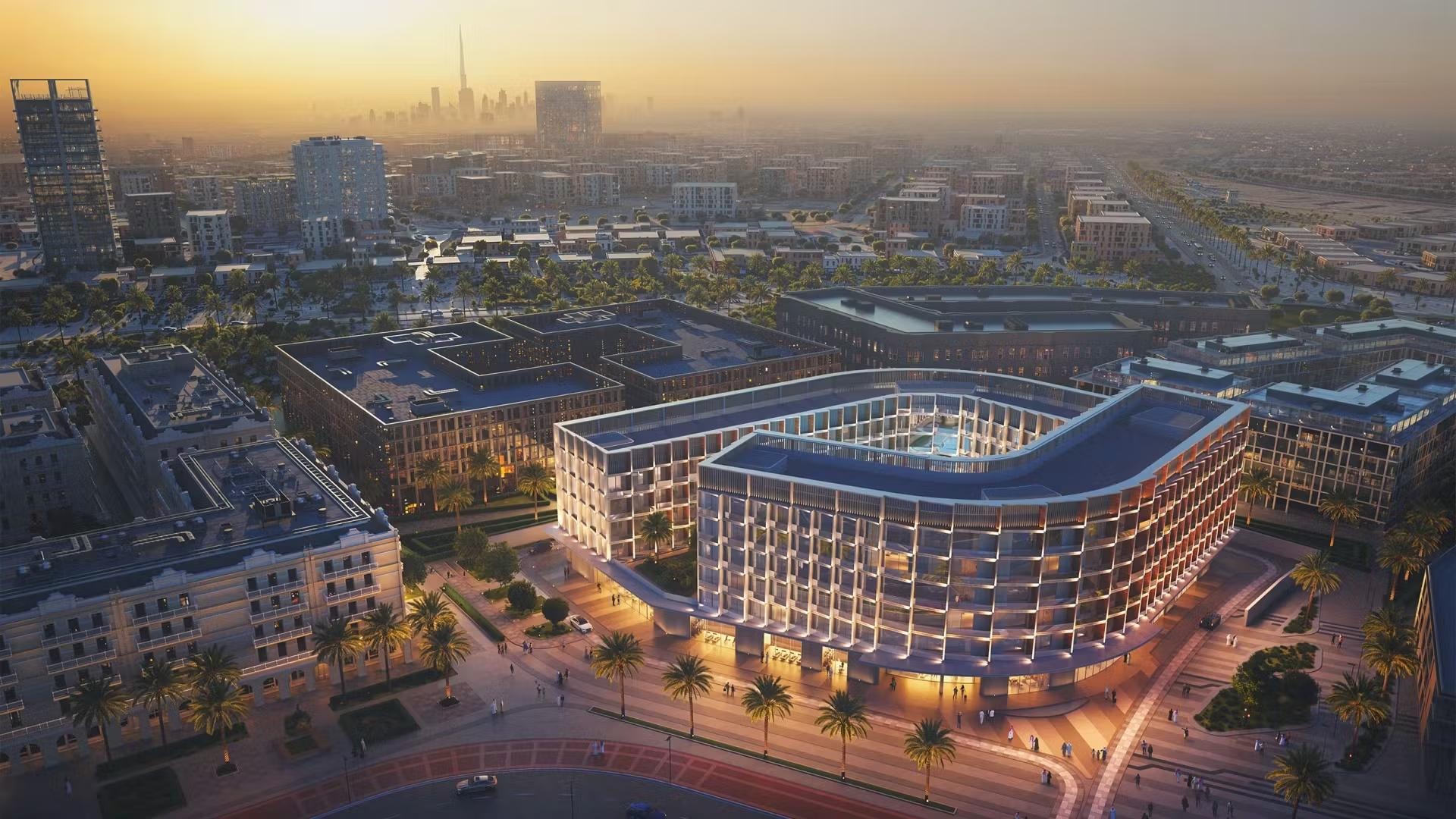


Buying off-plan properties has become one of the most popular entry points into Dubai’s dynamic real estate market. Whether you are an end-user seeking a modern home or an investor aiming for capital appreciation, understanding the off-plan buying process is essential. Off-plan properties are residential or commercial units sold directly by the developer before construction is completed, based on approved plans, renderings, floor plans, and a structured payment schedule.
Dubai’s off-plan market is supported by a robust regulatory framework overseen by the Dubai Land Department (DLD) and its Real Estate Regulatory Agency (RERA). Developers must register projects, open dedicated escrow accounts, and follow strict rules designed to protect buyers. The Dubai REST platform further enhances transparency by providing digital access to project information and services for all stakeholders.
This guide walks you through the complete, accurate process of buying off-plan property in Dubai, highlighting key considerations, potential risks, and practical steps to make an informed decision.
What Are Off-Plan Properties in Dubai?
Off-plan properties refer to apartments, villas, townhouses, penthouses, or commercial units purchased while still under construction or in the planning stage. Buyers commit based on architectural designs, project specifications, amenities, location, and the developer’s promised handover timeline.
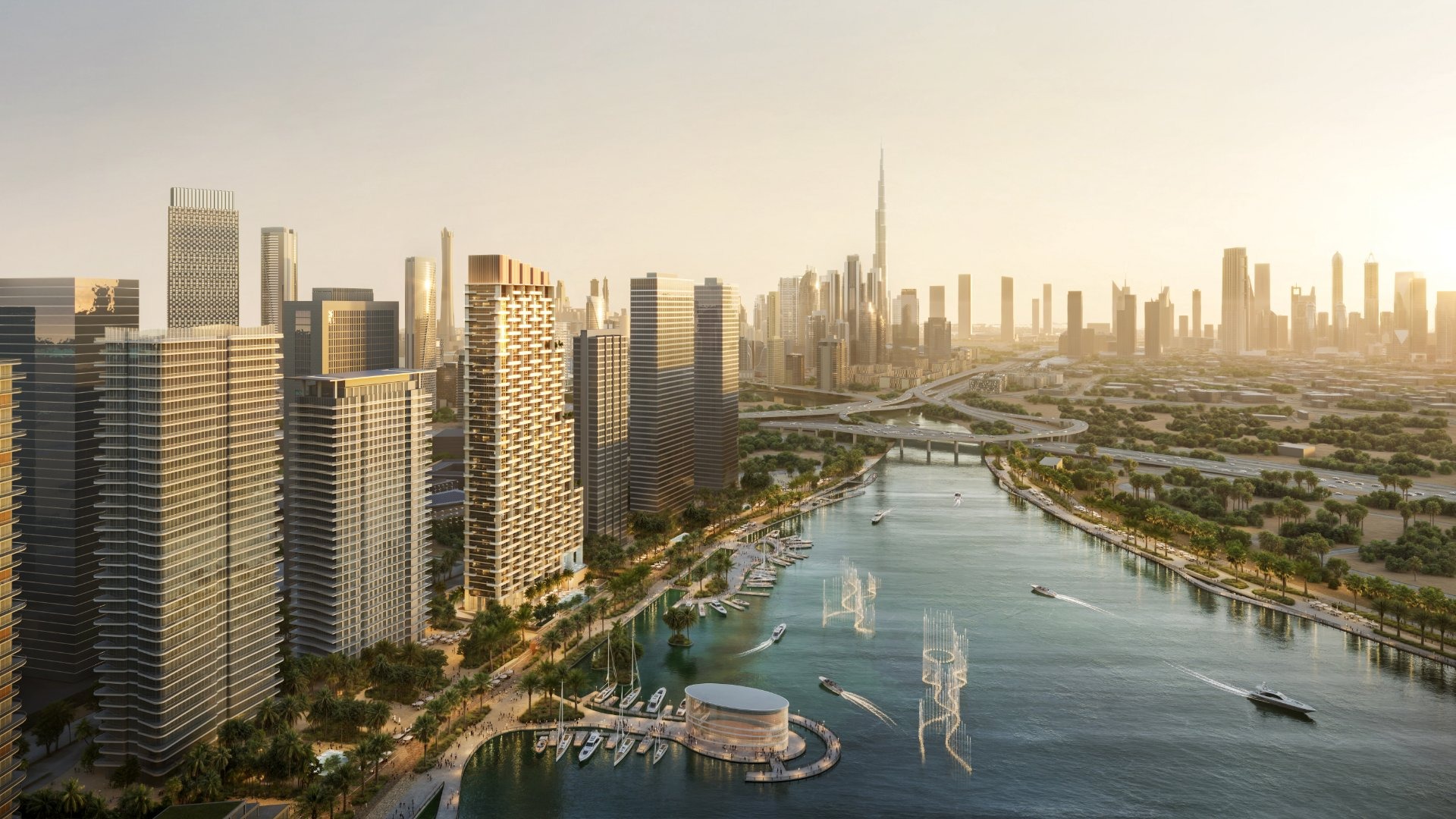
These projects are particularly attractive in a fast-growing city like Dubai, which continues to expand with new master-planned communities, waterfront districts, and infrastructure developments. Popular off-plan locations in 2026 include Dubai Creek Harbour, Dubai Hills Estate, Business Bay, Jumeirah Village Circle (JVC), Dubai South, Emaar Beachfront, and Rashid Yachts & Marina.
The main appeal lies in flexible payment plans, early access to premium units, and the potential for capital appreciation as the surrounding community matures.
Why Buyers Choose Off-Plan Properties
Off-plan purchases offer several advantages:
- Flexible Payment Plans: Most developers offer construction-linked or milestone-based schedules, allowing buyers to pay in installments (often starting with 5–10% booking amount) rather than the full price upfront.
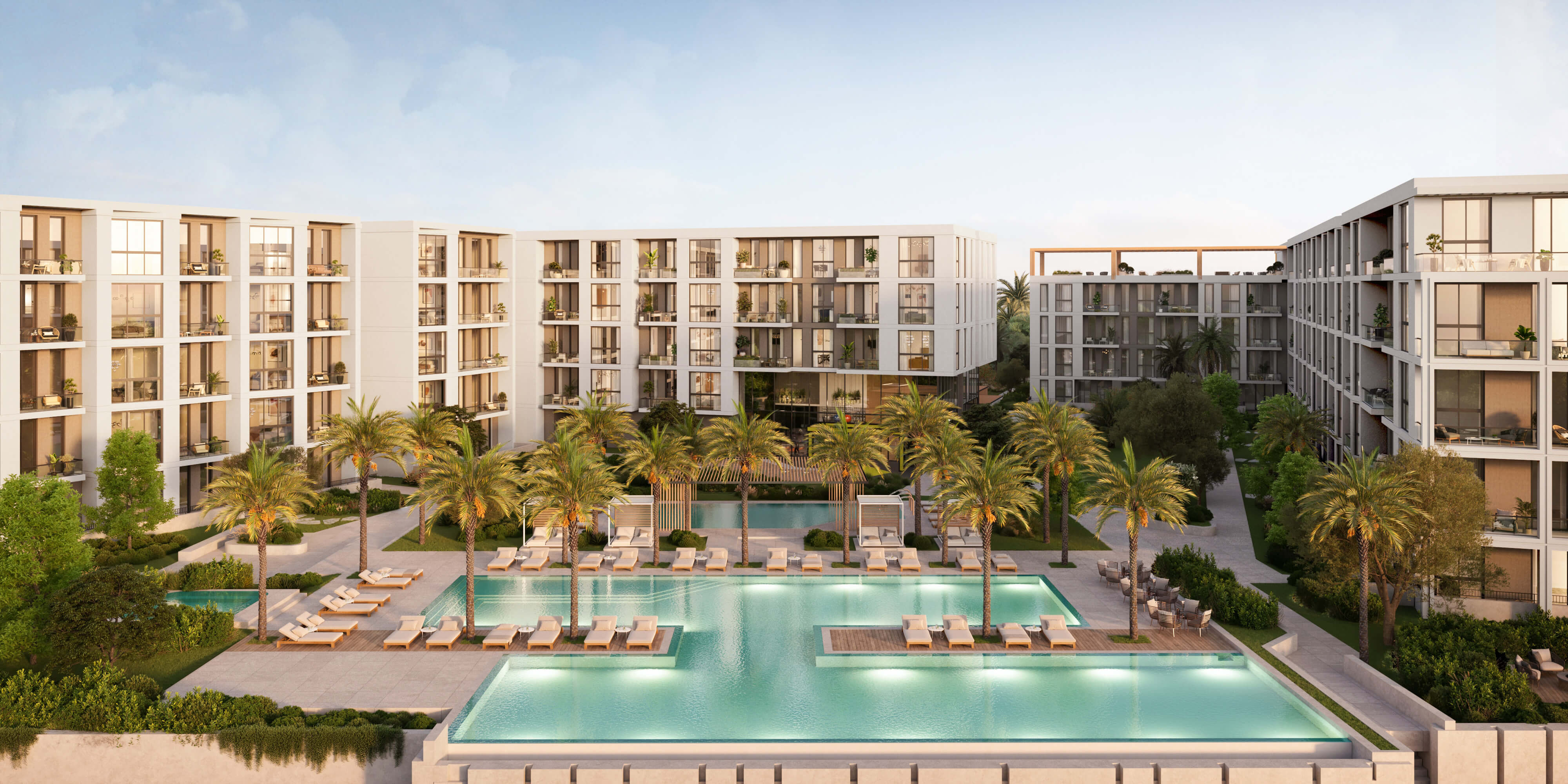
- Modern Design and Amenities: New projects frequently include smart home technology, wellness facilities, green spaces, retail areas, and high-quality finishes.
- Early Unit Selection: Buyers can secure better views, higher floors, corner units, or preferred layouts before the project sells out.
- Potential for Appreciation: Entering a developing area early can deliver strong returns if the location and developer are chosen wisely.
However, these benefits come with risks. Construction delays, market fluctuations, and limited liquidity for pre-handover resale are realities that every buyer must understand.
Step-by-Step Guide: How to Buy Off-Plan Properties in Dubai
Step 1: Define Your Purpose
Start by clarifying your objective. Are you buying for personal residence, long-term rental income, short-to-medium-term resale (flipping), or portfolio diversification? Your goal will influence the ideal location, property type (apartment vs. villa/townhouse), budget, and holding period.
- End-users: Prioritize lifestyle factors — proximity to schools, healthcare, parks, and commute routes.
- Investors: Focus on rental yield potential, future infrastructure, developer reputation, and supply-demand balance in the community.
Step 2: Choose the Right Location
Location remains one of the most critical factors. Evaluate future connectivity, planned metro lines, road networks, business hubs, and community facilities. Emerging or master-planned areas often offer better long-term value than oversupplied mature districts.
In 2026, high-demand off-plan locations include waterfront developments in Dubai Creek Harbour and family-oriented communities like Dubai Hills Estate with golf courses and parks. Always research upcoming infrastructure projects and potential oversupply risks in the chosen area.
Step 3: Research the Developer Thoroughly
Developer selection is crucial for minimizing risk. Review the company’s track record of timely delivery, quality of previous projects, financial stability, and buyer feedback.
Check whether the developer consistently delivers projects with promised specifications and within reasonable timelines. Reputable developers maintain transparent communication and strong after-sales service. Avoid deciding based solely on attractive launch discounts or marketing hype.
Step 4: Verify Project Registration and Escrow Account
Before proceeding, confirm that the project is officially registered with the DLD/RERA. Every legitimate off-plan project must have a dedicated escrow account regulated under Dubai law. All buyer payments must be transferred directly into this project-specific escrow account — never to a personal or general company account.
Escrow accounts ensure funds are released to the developer only according to verified construction milestones, providing significant buyer protection.
Step 5: Select the Right Unit
Once the project and developer are verified, choose your unit carefully. Consider floor level, view orientation, natural light, layout efficiency, balcony size, parking, and proximity to community facilities. Review floor plans in detail — an efficiently designed smaller unit can sometimes outperform a larger but poorly laid-out one in terms of livability and resale appeal.
Step 6: Understand the Payment Plan and Total Costs
Carefully analyze the payment schedule. Some plans are linked to construction progress; others follow fixed dates. Ensure the plan aligns with your cash flow.
Important costs to budget for:
- 4% Dubai Land Department (DLD) registration fee — typically paid at the time of signing the Sales and Purchase Agreement (SPA). In practice, buyers often cover the full amount.
- Oqood administrative fees — usually between AED 580 and AED 4,000 (sometimes partially covered by the developer).
- Future service charges (annual maintenance fees) after handover.
Mortgages are generally not available during the construction phase; financing usually becomes possible only after the Building Completion Certificate (BCC) is issued.
Step 7: Review the Sales and Purchase Agreement (SPA)
The SPA is the primary legal contract. It should clearly detail the unit specifications, payment schedule, handover date (with any grace period), delay penalties, cancellation terms, service charges, and resale conditions.
Always have the SPA reviewed by an independent real estate lawyer, especially if you are an overseas buyer. Pay close attention to clauses regarding delays, defects liability, and developer obligations.
Step 8: Oqood Registration (Developer’s Responsibility)
After the SPA is signed and initial payments (including the 4% DLD fee) are made, the developer is responsible for registering the sale through the DLD’s Oqood system. This creates an official record of your interest in the unit and protects against double-selling.
Buyers should request written confirmation and the digital Oqood certificate once registration is completed. You can track status via the Dubai REST app. At project completion, the Oqood record converts into the final title deed.
Step 9: Monitor Construction Progress
Stay actively informed throughout the construction period. Use official DLD channels, developer updates, and site progress reports. Regular monitoring helps you anticipate any issues and plan for handover.
Step 10: Prepare for Handover and Final Inspection
As the project nears completion, the developer will notify you for handover. Complete any remaining payments, arrange for a thorough inspection of finishes, fixtures, plumbing, electrical systems, and amenities. Report any defects promptly through the official process before accepting the unit and receiving the title deed.
The Future of Off-Plan Properties in Dubai
Dubai’s real estate sector continues to grow, driven by population influx, tourism, infrastructure projects, and a focus on sustainable, smart communities. Off-plan developments will remain central to this expansion, with increasing emphasis on wellness, green spaces, technology integration, and mixed-use living.
Buyers who prioritize location fundamentals, developer credibility, and thorough due diligence are best positioned to benefit from both lifestyle value and potential investment returns.
Conclusion
Buying off-plan property in Dubai can be a rewarding experience when approached with the right knowledge and caution. Success depends on defining clear objectives, selecting strong locations and reputable developers, verifying escrow and project registration, understanding all costs, and carefully reviewing legal documents.
Always remember: payments must go only into the official escrow account, Oqood registration is handled by the developer (but must be confirmed by you), and professional legal and advisory support is highly recommended.
By following a disciplined, transparent process rather than rushing into launch promotions, you can confidently secure a property that meets both your present needs and future aspirations in one of the world’s most dynamic cities