

Dubai remains one of the world’s most attractive real estate markets for international investors. Its tax-free environment, strategic location, world-class infrastructure, and diverse property options continue to draw capital from around the globe. However, after years of strong growth, the market in 2026 is maturing. Investors now need realistic expectations, thorough due diligence, and a balanced approach to succeed.
This updated guide covers why Dubai still appeals, key areas and property types, current yields and risks, legal essentials, and practical tips for maximizing long-term returns.
Why Invest in Dubai Real Estate in 2026?
Dubai offers several enduring advantages:
Tax advantages:
No annual property tax, no capital gains tax for individuals on residential properties, and no personal income tax on rental income. This significantly boosts net returns compared to many global markets. Note that you may still have tax obligations in your home country.
Strategic location and connectivity:
Excellent air links, modern infrastructure, and a business-friendly environment make it a gateway between continents.
Regulatory framework:
The Real Estate Regulatory Authority (RERA) under the Dubai Land Department (DLD) provides transparency, escrow accounts for off-plan projects, and investor protections.
Lifestyle appeal:
Safe, cosmopolitan city with premium amenities, attracting high-quality tenants.
Diversification:
Real estate offers an alternative to volatile stocks and bonds, with potential for both rental income and capital growth.
Current market context (2026): The market shows strong transaction volumes, especially in off-plan (around 60-70% of sales), but faces moderating price growth, potential mild corrections in some segments, and higher supply deliveries. Rental yields remain competitive globally (averaging 6-7.5% for apartments), though they vary widely by location and property type.
Key Areas for Investment in 2026
Different locations suit different strategies:
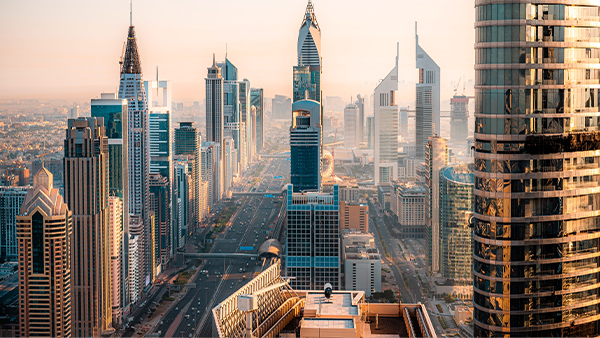
Downtown Dubai
Iconic location with Burj Khalifa and Dubai Mall. Strong rental demand from tourists and professionals, but lower yields (around 5-6%) due to premium pricing. Best for capital appreciation and prestige.
Dubai Marina
Vibrant waterfront community with excellent amenities and nightlife. Yields typically 6-7% (higher for smaller units). Popular with expats; good liquidity but competitive.
Business Bay
Mixed-use hub appealing to young professionals. Solid yields (6.5-7.5%) and rental demand near commercial areas.
Palm Jumeirah
Luxury villas and branded residences. Lower yields (4-6%) but high prestige and strong long-term appreciation potential.
Dubai South & Emerging Areas (e.g., JVC, Arjan, Dubai Hills)
Growth hotspots with better yields (7-9%+ in some cases) and more affordable entry points. Proximity to Al Maktoum Airport expansion offers upside, though infrastructure is still developing.
Tip: Prime areas offer stability and prestige; emerging locations often deliver higher yields and appreciation if timed well.
Types of Properties to Invest In
Off-Plan Properties
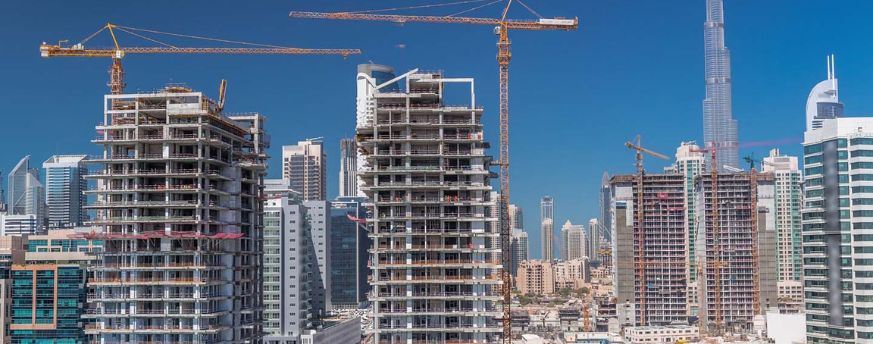
Purchased during construction with flexible payment plans (often 10-30% down, staged installments). Benefits include potential capital gains during development and lower initial outlay. Popular with investors, but carries completion risks, delays, and possible oversupply pressure at handover.
Ready-to-Move Properties
Immediate rental income and occupancy. Lower risk but higher upfront cost and potentially lower capital upside compared to well-chosen off-plan.
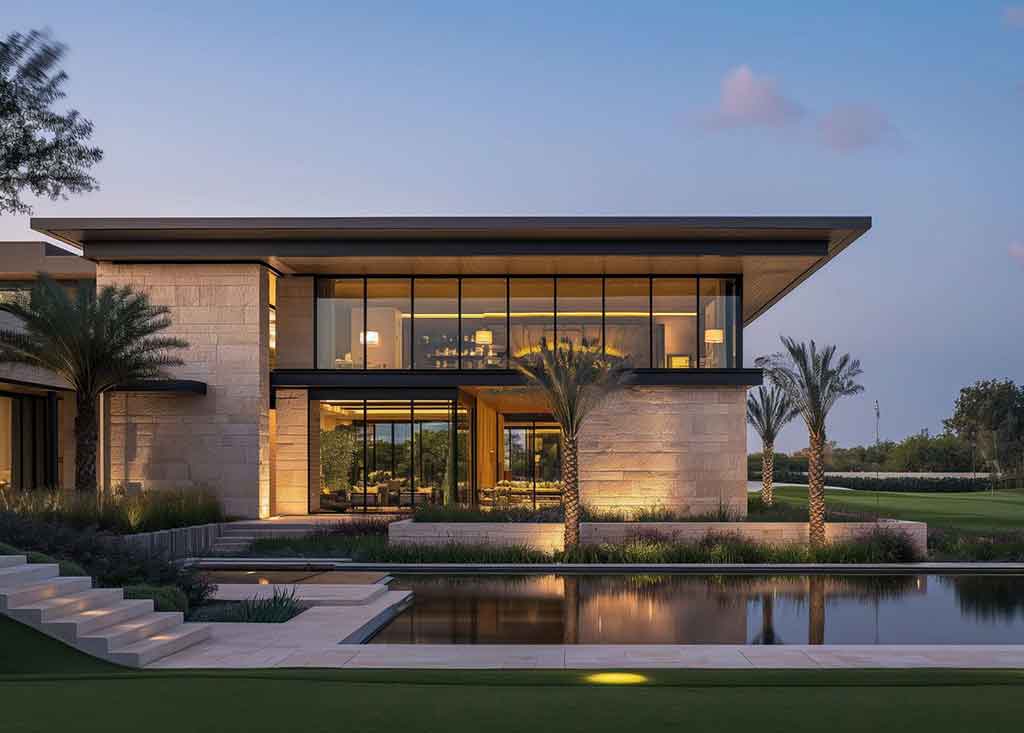
Luxury Villas, Townhouses, and Penthouses
Appeal to high-net-worth buyers seeking exclusivity. Villas often have steadier (but lower-yield) family tenants.
Commercial Real Estate
Offices and retail for diversification, though more sensitive to economic cycles.
Leading Developers: Emaar, DAMAC, Nakheel, Sobha, and Meraas have strong track records. Always check their delivery history and financial stability.
Realistic Returns and Market Outlook
Rental Yields (2026):
Gross yields average around 6-7.5% citywide for apartments. Higher (7-9%+) in areas like JVC, Dubai South, or Sports City; lower (5-6.5%) in ultra-prime spots like Downtown, Marina, and Palm. Net yields are lower after service charges, maintenance, and vacancies. Short-term rentals (with permits) can boost returns but add management effort.
Capital Appreciation:
Strong in recent years, but 2026 expectations are more moderate (low-to-mid single digits in a base case). Some segments may see softening due to increased supply deliveries (tens of thousands of units expected). Prime, well-located, quality properties tend to hold value better.
Legal and Financial Considerations
- Freehold Ownership: Foreigners can own freehold in designated areas for full ownership rights.
- Registration: All properties must be registered with DLD. The standard transfer fee is 4% (often paid by the buyer in practice).
- Mortgages: Residents can access up to 70-80% financing (depending on property value); non-residents typically 50-60% LTV. Rates are competitive but approval requires solid documentation and income proof. Off-plan financing is more limited.
- Other Costs: Agent fees (usually 2%), service charges, and minor admin fees apply. No hidden property taxes.
Investor Visa: Property investments of AED 2 million+ can qualify for long-term residency options.
Off-Plan Investment Opportunities in 2026
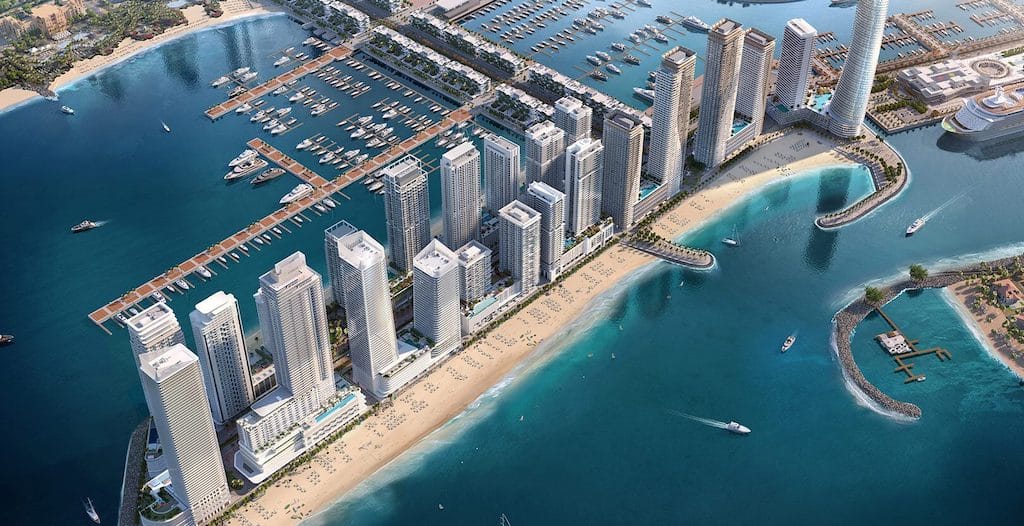
Off-plan remains dominant due to attractive payment plans and potential gains. Focus on reputable developers and well-planned communities with strong fundamentals (connectivity, amenities, demand drivers). Examples include projects in Dubai Creek Harbour, Emaar Beachfront, Dubai South, and established areas like Dubai Hills.
Success Factors:
- Choose projects with realistic handovers and strong location fundamentals.
- Factor in 15-30% potential appreciation during construction (varies significantly).
- Plan for post-handover rental performance.
Tips for Maximizing Returns and Minimizing Risks
- Do Thorough Due Diligence: Check RERA registrations, developer track records, payment plans, and area supply pipelines.
- Focus on Net Yields: Calculate after all costs, not just gross figures.
- Diversify: Mix property types, locations, and ready/off-plan.
- Work with Professionals: Use RERA-licensed agents, lawyers, and property managers.
- Long-Term Mindset: Dubai rewards patient investors. Avoid pure speculation.
- Monitor Trends: Track DLD data, rental indices, and infrastructure projects.
- Budget for Costs: Include 6-8%+ in transaction and setup costs.
Conclusion
Investing in Dubai real estate in 2026 still offers compelling opportunities for capital appreciation, attractive rental yields, and lifestyle benefits in a dynamic, tax-efficient environment. The market has shifted from rapid boom to a more sustainable phase — success now depends on informed choices rather than momentum alone.
By selecting quality locations, reputable developers, and aligning investments with your risk tolerance and goals (income vs. growth), you can build lasting value. Always consult licensed professionals and conduct independent research tailored to your circumstances.
Dubai continues to evolve as a global hub. With careful planning, it remains a strong destination for international real estate investors seeking diversification and solid returns.