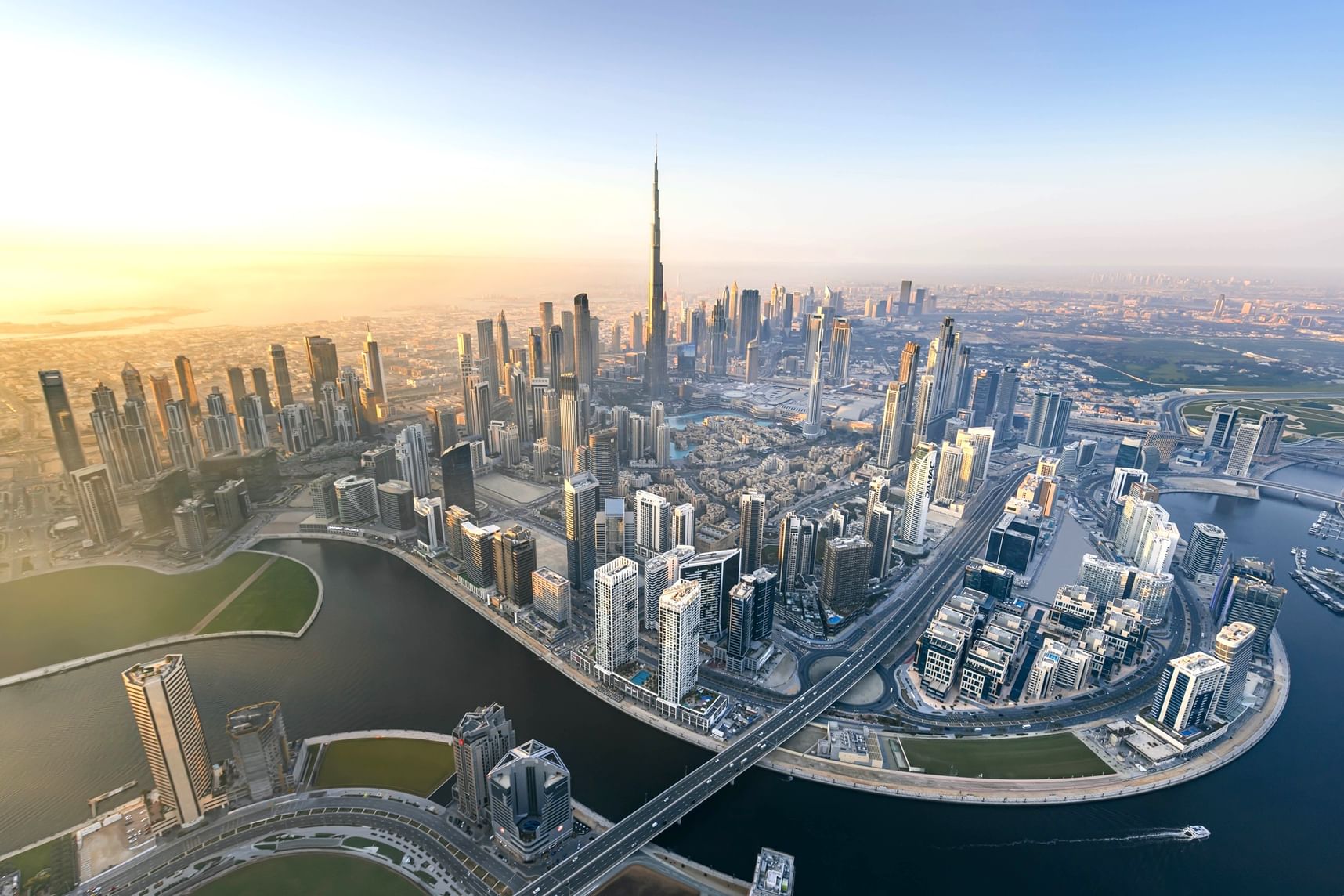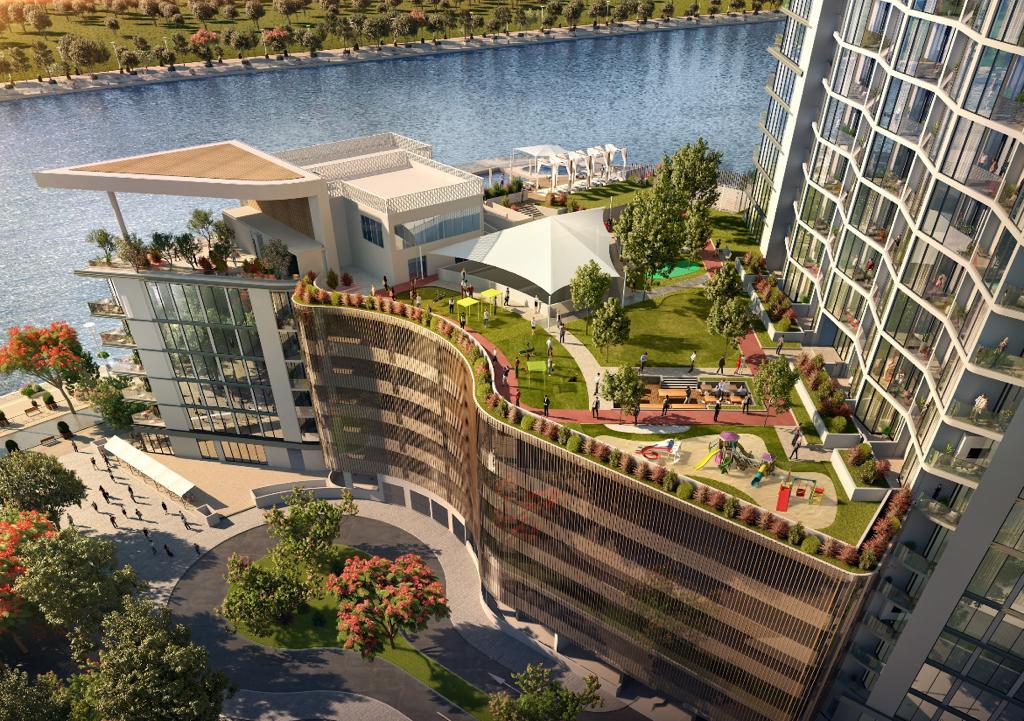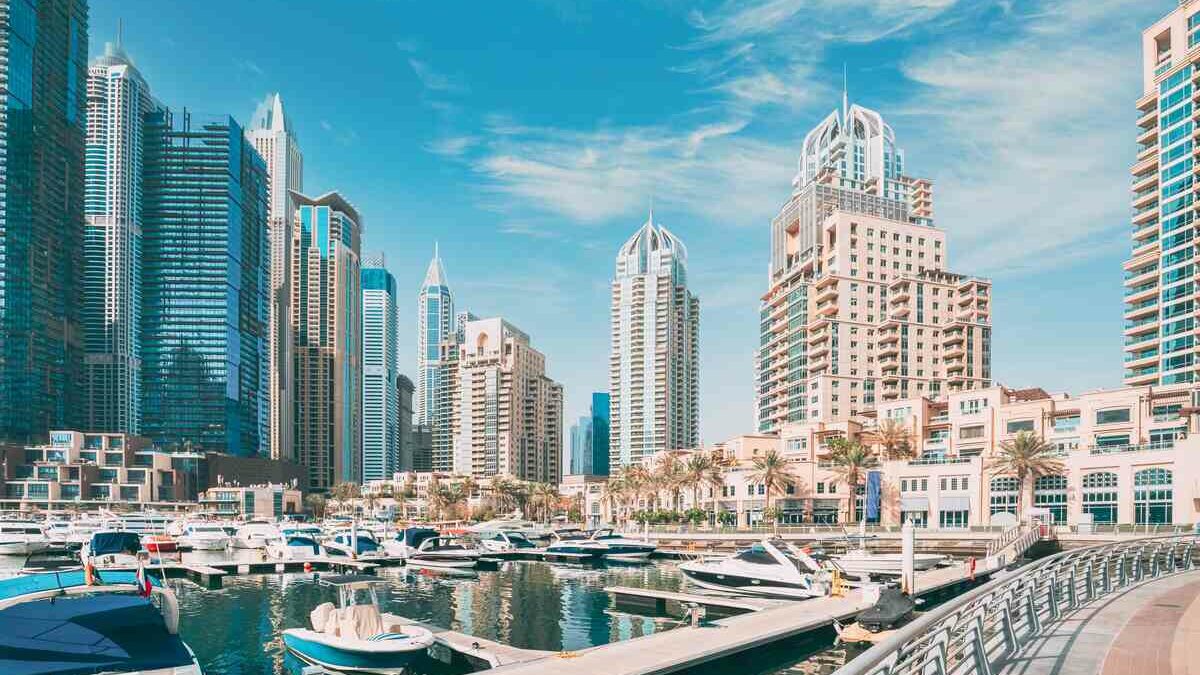


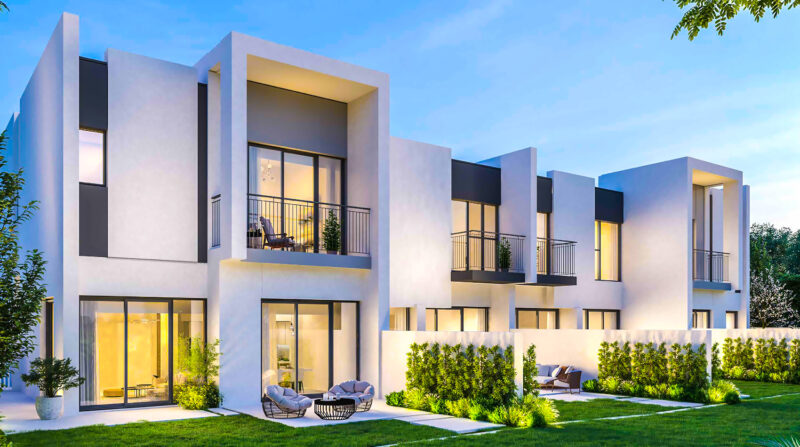
Dubai’s real estate market continues to attract global attention in 2026 with its ambitious developments, tax-free environment, and strategic location. Off-plan projects remain a dominant force, accounting for roughly 70-75% of residential transactions in early 2026. While the market offers strong potential, it is maturing, with more selective buyer behavior, a large supply pipeline, and moderating price growth.
This guide provides an updated, realistic overview of the best off-plan opportunities, current trends, and essential considerations for buyers and investors.
Why Consider Off-Plan Properties in Dubai in 2026?
Off-plan purchases (buying before completion) still offer several advantages, though expectations should be tempered by current market dynamics:
Potential for Capital Appreciation
Early-bird pricing can provide discounts compared to completed properties. In well-located projects tied to major infrastructure, properties have historically appreciated 20-30% from launch to handover over 2-4 years. However, 2026 forecasts suggest more modest overall growth due to increased supply. Prime areas may perform better, while some mid-market segments face pricing pressure.
Flexible Payment Plans
Developers commonly offer installment plans (e.g., 10/60/30 or 5/55/40 structures), with some post-handover options. This helps manage cash flow, though buyers must ensure plans align with their finances and account for any service fees or penalties.
Strategic Locations and Infrastructure
Many projects align with Dubai’s long-term vision, including metro expansions, airport growth, and sustainable master plans. Areas benefiting from ongoing development often see stronger long-term demand.
Rental Yield Potential
Dubai offers competitive gross yields (typically 5-8% net after costs in many areas), driven by expatriate demand. Off-plan units generate no rental income until handover (often 2-4+ years), so investors should plan accordingly. Family-oriented and mid-market communities like JVC tend to deliver steadier occupancy.
Important Context for 2026: Off-plan sales remain robust, but the market shows signs of normalization. Analysts note potential moderate corrections (5-15% in some segments) due to a large pipeline of new units. Risks are higher in oversupplied mid-market areas; prime and well-differentiated projects are more resilient.
Top Off-Plan Areas and Projects to Watch in 2026
Here are standout locations with realistic assessments:
1. Dubai Creek Harbour – Iconic Waterfront Living
This Emaar-led master development is positioned as Dubai’s future waterfront destination, offering views of the Burj Khalifa and proximity to Downtown. It features parks, retail, and cultural spaces. The Dubai Creek Tower (future tallest structure) is in planning/tender stages, with related infrastructure progressing.
Key Features:
- Luxurious apartments and townhouses with skyline and water views.
- Strong connectivity to airport and key districts.
- Family amenities and entertainment hubs.
Investment Note: High prestige supports long-term demand, but some projects may face construction timelines extending into 2028-2030. Suitable for those seeking premium positioning.
2. Mohammed Bin Rashid City (MBR City)
A large mixed-use area with residential, retail, and green spaces, including District One and areas near the Dubai Water Canal. It benefits from proximity to Downtown and business hubs.
Key Features:
- Villas, apartments, and townhouses in a modern urban setting.
- Parks, library, and leisure options.
- Diverse price points.
Investment Note: Good for balanced living/investment, but certain sub-areas have significant upcoming supply—select projects carefully for differentiation.
3. Dubai South – Long-Term Growth Hub
Located near Al Maktoum International Airport, this expansive mixed-use community emphasizes sustainability, smart tech, and connectivity. New phases are launching in 2026 with handovers starting from late 2026-2028.
Key Features:
- Affordable to mid-luxury residential options.
- Focus on green spaces and future infrastructure (metro, airport expansion).
- Mixed-use appeal for residents and businesses.
Investment Note: Strong value proposition for medium-to-long-term horizons (5-10 years), though parts remain under development with associated disruption.
4. Palm Jumeirah – Prestige Waterfront
The iconic palm continues to draw luxury buyers. Off-plan options include high-end apartments and villas with beach access.
Key Features:
- Private beaches, premium amenities, and prestige.
- Strong rental demand from UHNW individuals and tourists.
- Proximity to business and leisure districts.
Investment Note: Limited new plots add scarcity value, but some resales have shown pressure. Best for buyers prioritizing luxury and brand.
5. Downtown Dubai Expansion
Ongoing projects around Burj Khalifa and Dubai Mall offer views and central access.
Key Features:
- High-demand location with excellent transport links.
- Iconic views and lifestyle amenities.
Investment Note: Premium pricing reflects centrality; strong for end-users and short-term rental potential post-handover.
6. Jumeirah Village Circle (JVC) – Affordable Family Living
Popular for mid-market buyers with good connectivity and community feel.
Key Features:
- Range of apartments and townhouses at accessible prices.
- Parks, schools, and retail nearby.
- Solid rental demand.
Investment Note: High supply in 2026 means more competition—focus on well-managed projects by reputable developers for better yields. Avoid undifferentiated high-density launches.
Key Considerations When Buying Off-Plan in 2026
Developer Reputation
Prioritize established names like Emaar, DAMAC, Nakheel, Ellington, or Omniyat with strong delivery track records. Check past project completion history.
Payment Plans and Financials
Review full terms, including DLD fees (4%), service charges, and potential escalations. Stress-test against your cash flow and possible delays.
Location and Supply Dynamics
Research micro-location and upcoming inventory. Prime waterfront or infrastructure-linked projects generally fare better than saturated mid-market zones.
Legal and Regulatory Protections
Dubai’s framework is buyer-friendly. Always verify RERA registration, escrow accounts, and use registered agents. International buyers can own freehold in designated areas and may qualify for Golden Visas.
Why Work with a Specialized Platform?
Reputable portals and consultants provide curated listings, market data, RERA-verified information, and guidance on ROI projections. They can help navigate options, but always cross-verify independently and consult legal/financial advisors.
Conclusion
Dubai’s off-plan market in 2026 offers genuine opportunities, particularly in master-planned communities with strong fundamentals. However, the era of rapid, across-the-board gains has moderated. Success depends on selecting the right developer, location, and project while aligning with your timeline, risk tolerance, and goals—whether for a dream home, long-term investment, or portfolio diversification.
The city’s vision for sustainable growth, infrastructure investment, and economic diversification underpins its appeal. By approaching purchases with balanced expectations and thorough research, buyers can position themselves well in one of the world’s most dynamic real estate markets.
Ready to explore options? Visit trusted platforms for the latest RERA-approved listings and personalized insights. Conduct site visits, review project documents, and seek professional advice tailored to your circumstances. Dubai real estate rewards patience and due diligence.