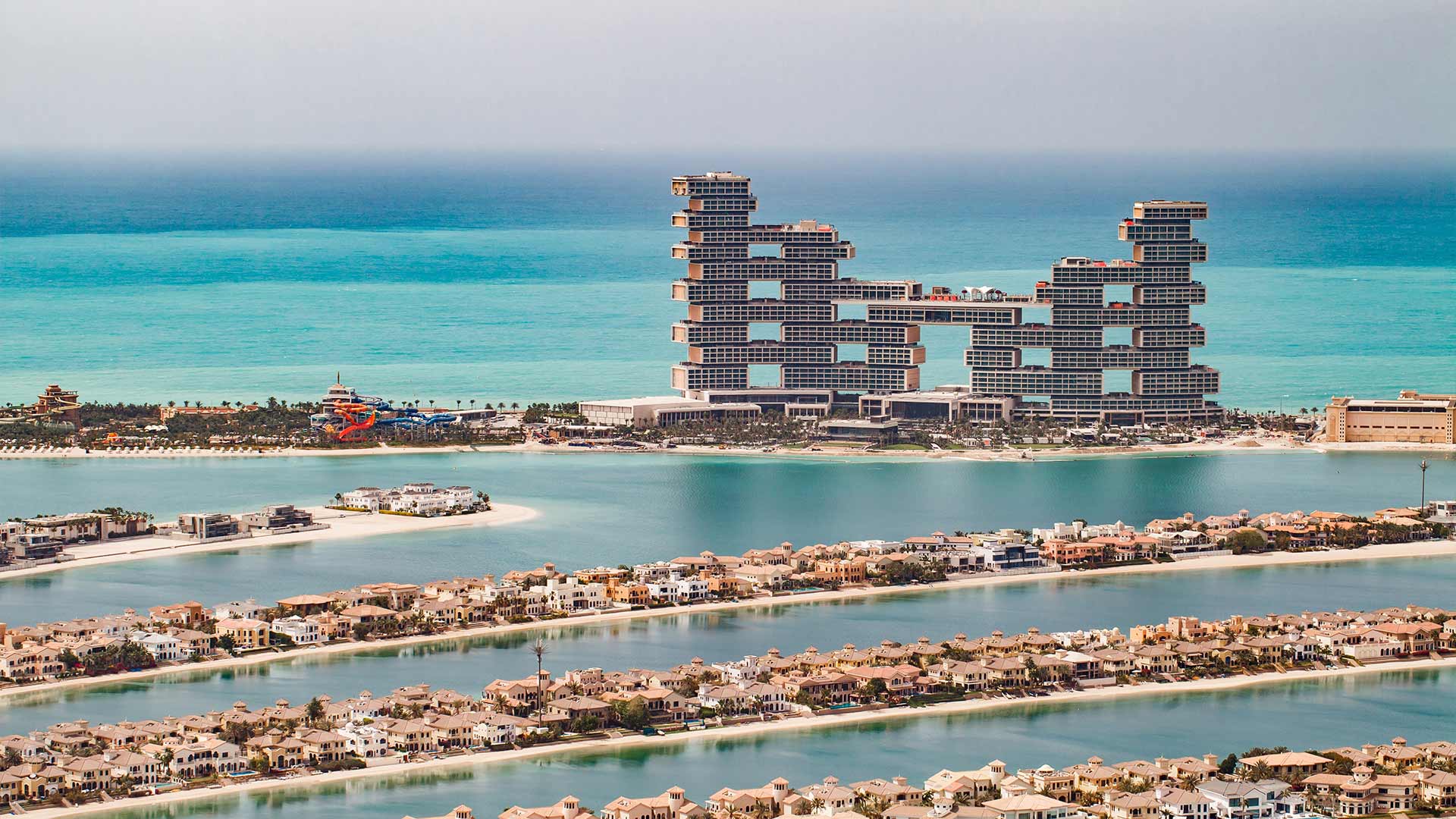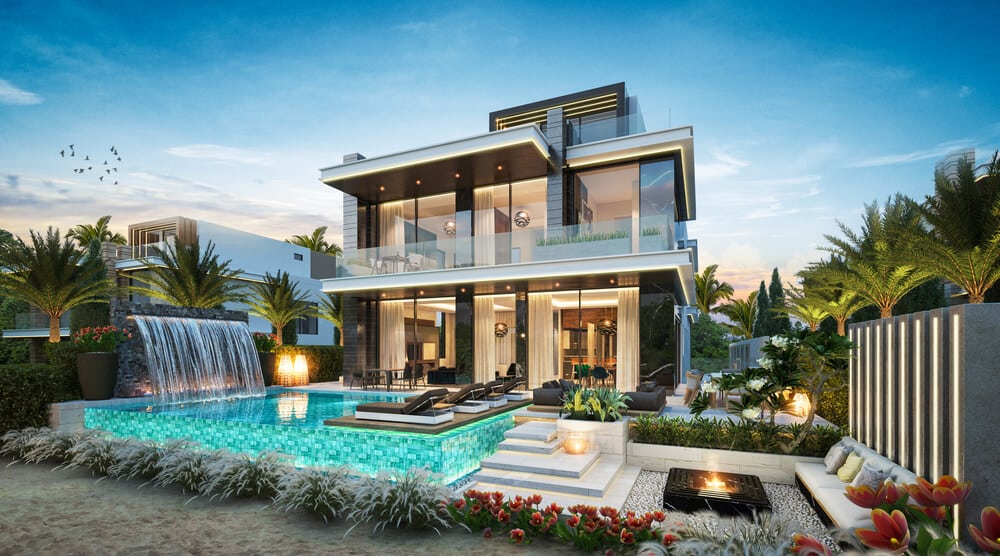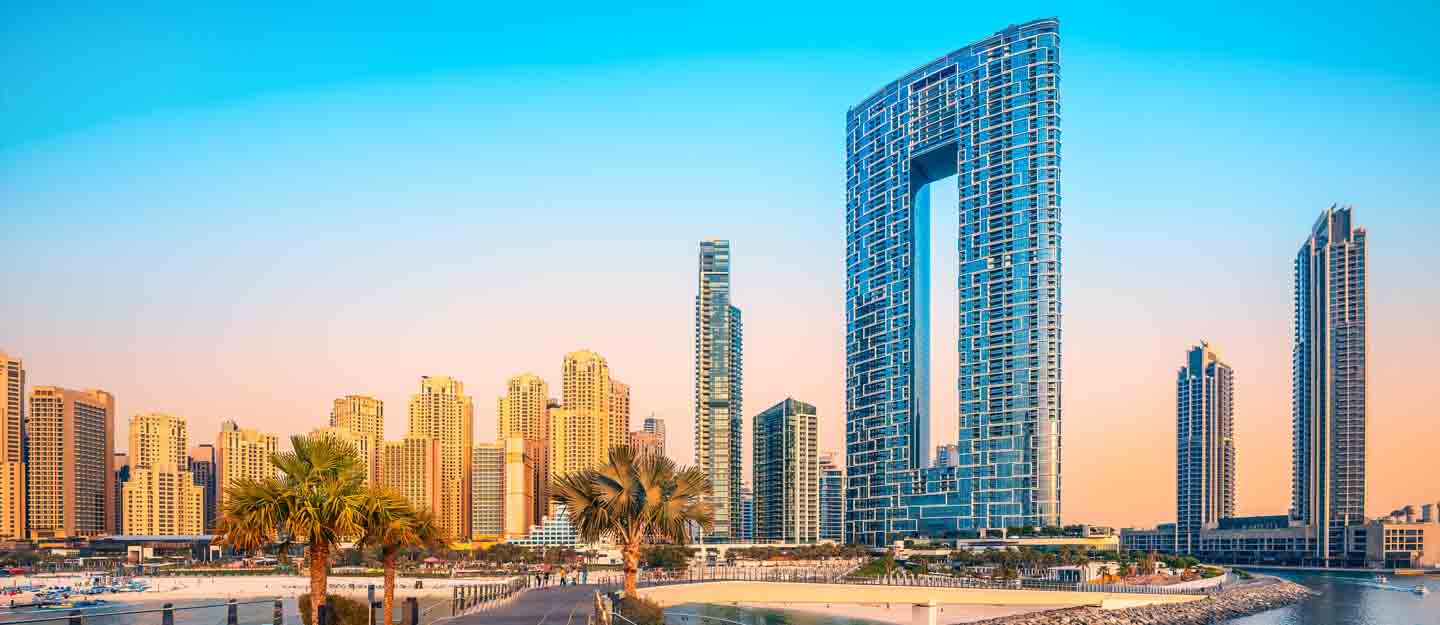


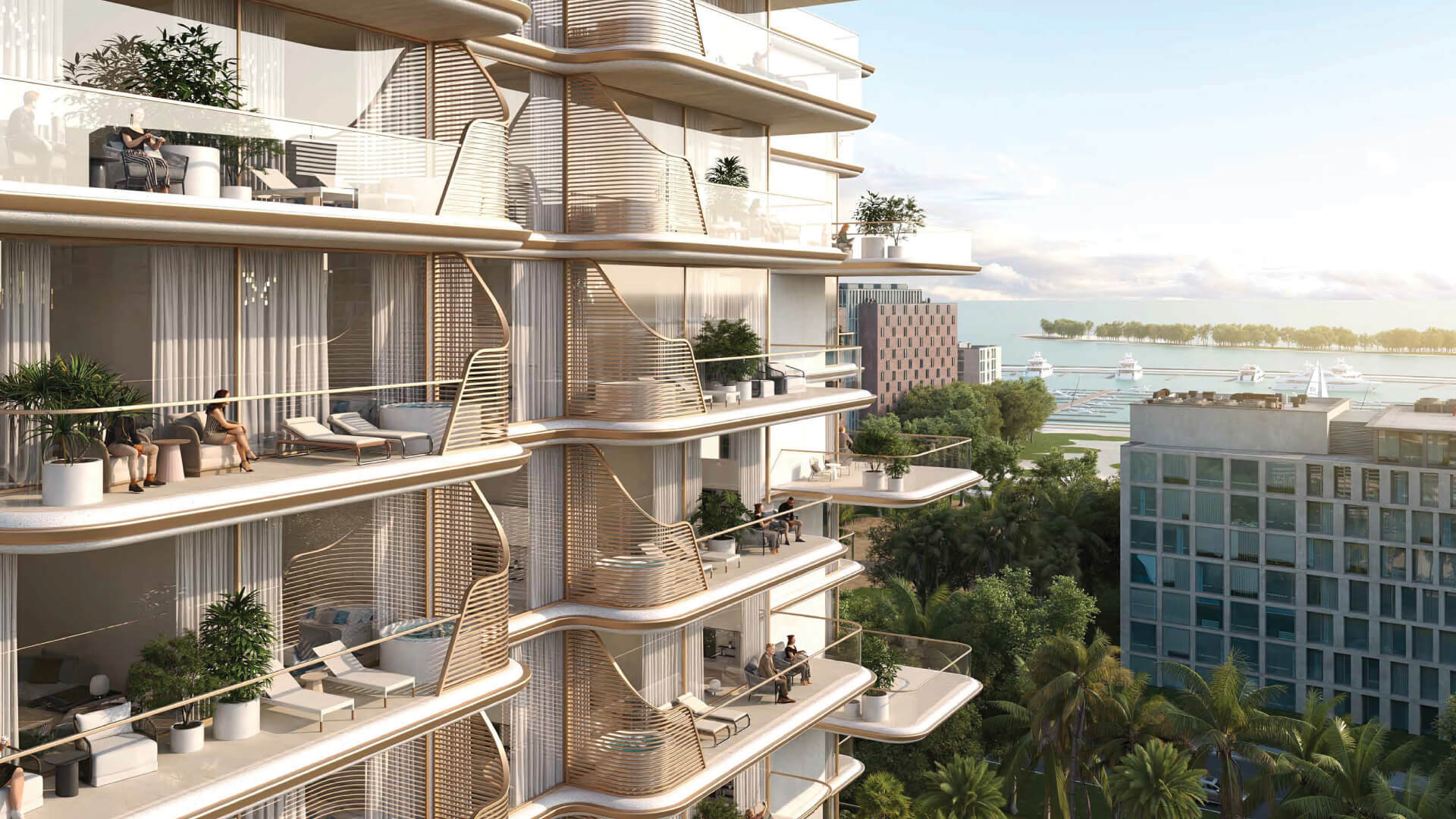
Dubai’s real estate market remains one of the world’s most dynamic, attracting global investors and residents with its modern infrastructure, tax-free environment, and diverse lifestyle options. New apartments in Dubai range from iconic high-rises in Downtown to family-oriented communities in Jumeirah Village Circle (JVC) and waterfront living in Dubai Marina or Emaar Beachfront.
This guide provides accurate, up-to-date information on new apartments, including realistic investment potential, top locations, features, and practical advice for 2026. Whether you seek a primary residence or investment property, informed decisions are essential in a market with increasing supply.
Why Choose New Apartments in Dubai?
New apartments offer several genuine advantages:
Contemporary Design and Quality:
Modern open-plan layouts, high-quality finishes, energy-efficient systems, and smart home features.
Comprehensive Amenities:
Swimming pools, gyms, landscaped gardens, children’s play areas, concierge, and often retail/dining options within the community.
Prime Locations:
Proximity to business districts, metro stations, schools, malls, and leisure spots.
Flexible Payment Plans:
Especially attractive in off-plan projects.
Potential for Rental Income and Appreciation:
Supported by strong expat demand and economic growth.
Top Locations for New Apartments in Dubai (2026)
Here are five popular areas with realistic insights:
Downtown Dubai
Iconic Burj Khalifa and Dubai Fountain views, luxury finishes, and unmatched connectivity to Dubai Mall and business hubs. Excellent for lifestyle and long-term prestige, but higher entry prices and more moderate rental yields.
Dubai Marina
Vibrant waterfront living with promenades, yachts, cafes, and entertainment. High demand from professionals and expats. Strong liquidity and rental demand, though yields are lower than mid-tier areas due to premium pricing.
Business Bay
Central location near commercial districts, modern facilities, and good corporate rental appeal. Balances convenience and investment potential.
Jumeirah Village Circle (JVC)
Family-friendly with parks, schools, and community feel. More affordable entry points and among the stronger rental yield performers in the city.
Emaar Beachfront
Exclusive waterfront with private beach access, luxury amenities, and limited supply. Premium pricing supports stronger capital appreciation potential over time.
Other notable mentions for 2026 include Dubai Creek Harbour, Dubai Hills Estate, and emerging areas like Arjan or Dubai South for value-oriented buyers.
Key Features of New Apartments in Dubai
Modern developments emphasize:
- Unit Types: Studios, 1–4 bedroom apartments, penthouses, and duplexes.
- Smart Technology: Automated lighting, climate control, security systems, and app-based management.
- Community Amenities: Pools, fitness centers, playgrounds, lounges, and green spaces.
- Safety: 24/7 security, CCTV, and secure parking.
- Sustainability: Energy-efficient designs, solar elements, and eco-friendly materials in many new projects.
- Convenience: On-site retail, dining, and proximity to essential services.
These features enhance livability and tenant appeal, supporting rental demand.
Investment Advantages of New Apartments
Dubai remains investor-friendly with freehold ownership for expats in designated areas, no capital gains tax, and straightforward regulations. Key benefits include:
Rental Yields:
City-wide apartment averages hover around 6.5–7.5% gross in 2026. Mid-tier areas like JVC often deliver 7–8%+ (sometimes higher for smaller units), while prime spots like Downtown, Marina, and Emaar Beachfront typically range 5–7%. Ultra-affordable segments can approach 8–9% in select cases. Yields are gross; factor in service charges (typically 4–6% net after costs).
Capital Appreciation:
Strong in recent years, but 2026 forecasts moderation to 5–10% overall due to increased supply. Prime and well-located projects with limited inventory tend to perform better. Past performance does not guarantee future results.
Golden Visa:
Property investors can qualify for a 5- or 10-year Golden Visa with a minimum investment of AED 2 million (approx. USD 545,000) in one or multiple completed or qualifying off-plan properties. Smaller apartments generally do not meet this threshold on their own.
Expat-Friendly Rules:
Freehold ownership allowed in many communities.
Payment Flexibility:
Off-plan plans often require only 20–30% upfront, spread over construction.
Dubai’s continued population growth and business appeal support long-term demand, but increased apartment supply in 2026–2028 may moderate rental growth and prices in some segments.
Off-Plan vs Ready-to-Move Apartments
Off-Plan Apartments
Purchased during construction at potentially lower prices with extended payment plans (e.g., 60/40 or 80/20). Potential for capital appreciation by handover.
Ready-to-Move Apartments
Immediate possession, ability to inspect quality, and instant rental income. Higher upfront cost and potentially lower appreciation upside compared to off-plan bought early. Lower risk overall.
Lifestyle Benefits
New apartments deliver convenience, stunning views (city, marina, or beach), modern interiors, secure communities, and access to Dubai’s attractions. Families benefit from nearby schools and parks; professionals enjoy metro/highway access and vibrant social scenes.
Trending Features in 2026
- Waterfront and smart-integrated homes.
- Sustainable, green buildings.
- Mixed-use communities with work-live-play options.
- Wellness-focused amenities (yoga spaces, spas, air quality systems).
- Branded residences with hotel-style services.
Conclusion
New apartments in Dubai combine modern luxury, convenience, and investment potential in a thriving global city. Prime locations offer prestige and stability, while areas like JVC provide stronger yields for cash-flow-focused investors. Success depends on realistic expectations, thorough research, reputable developers, and alignment with your personal or financial goals.
The market is maturing with more supply in 2026, creating opportunities for informed buyers. Always verify current data, as real estate is subject to economic cycles, supply changes, and global factors.