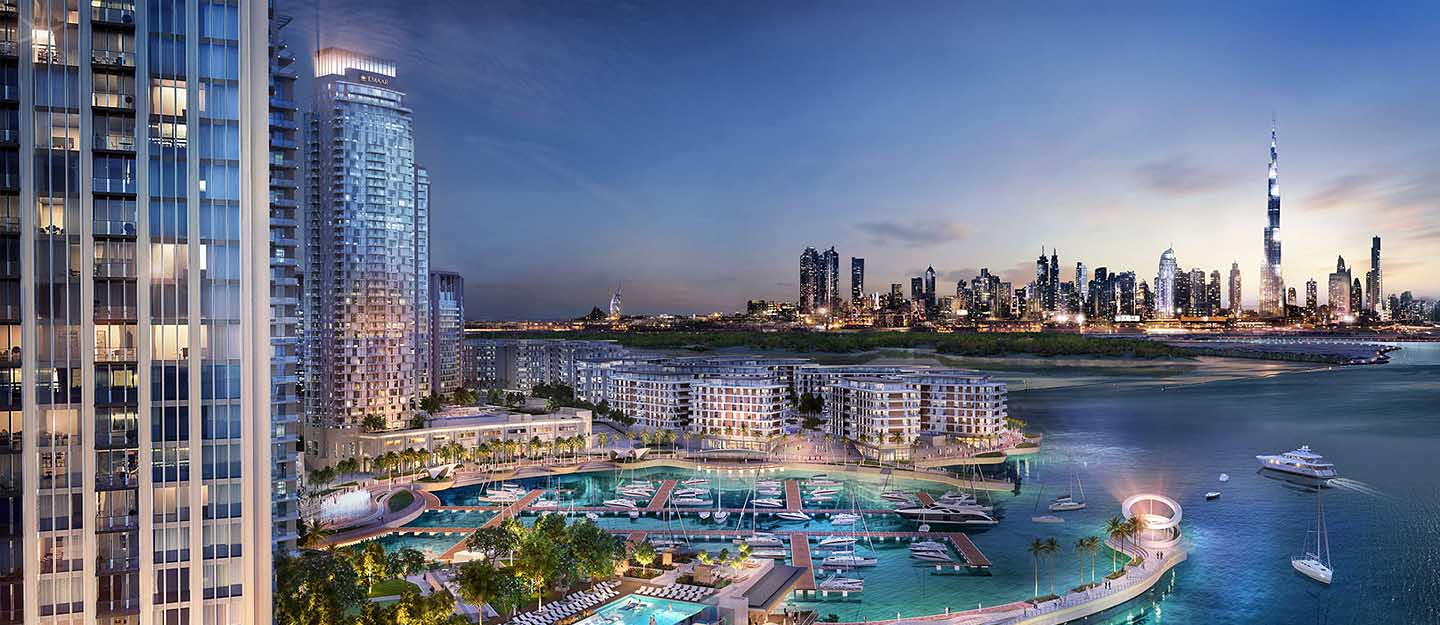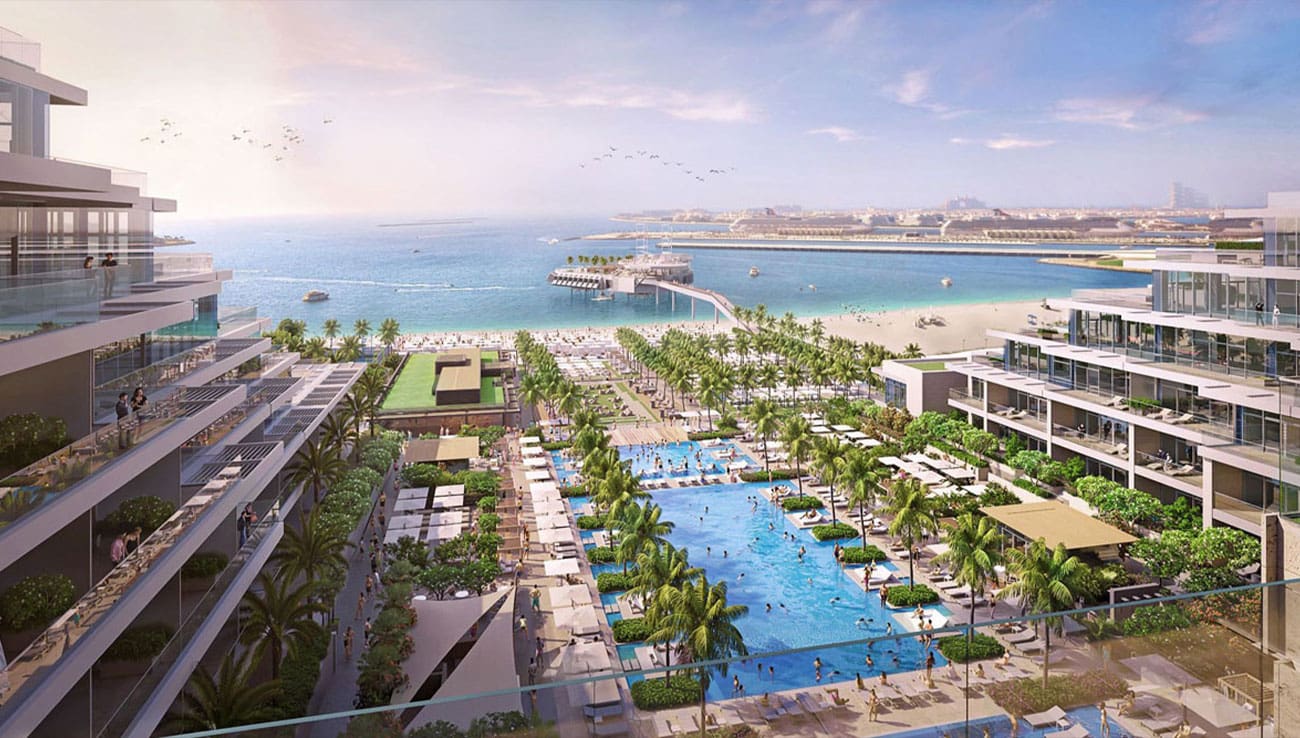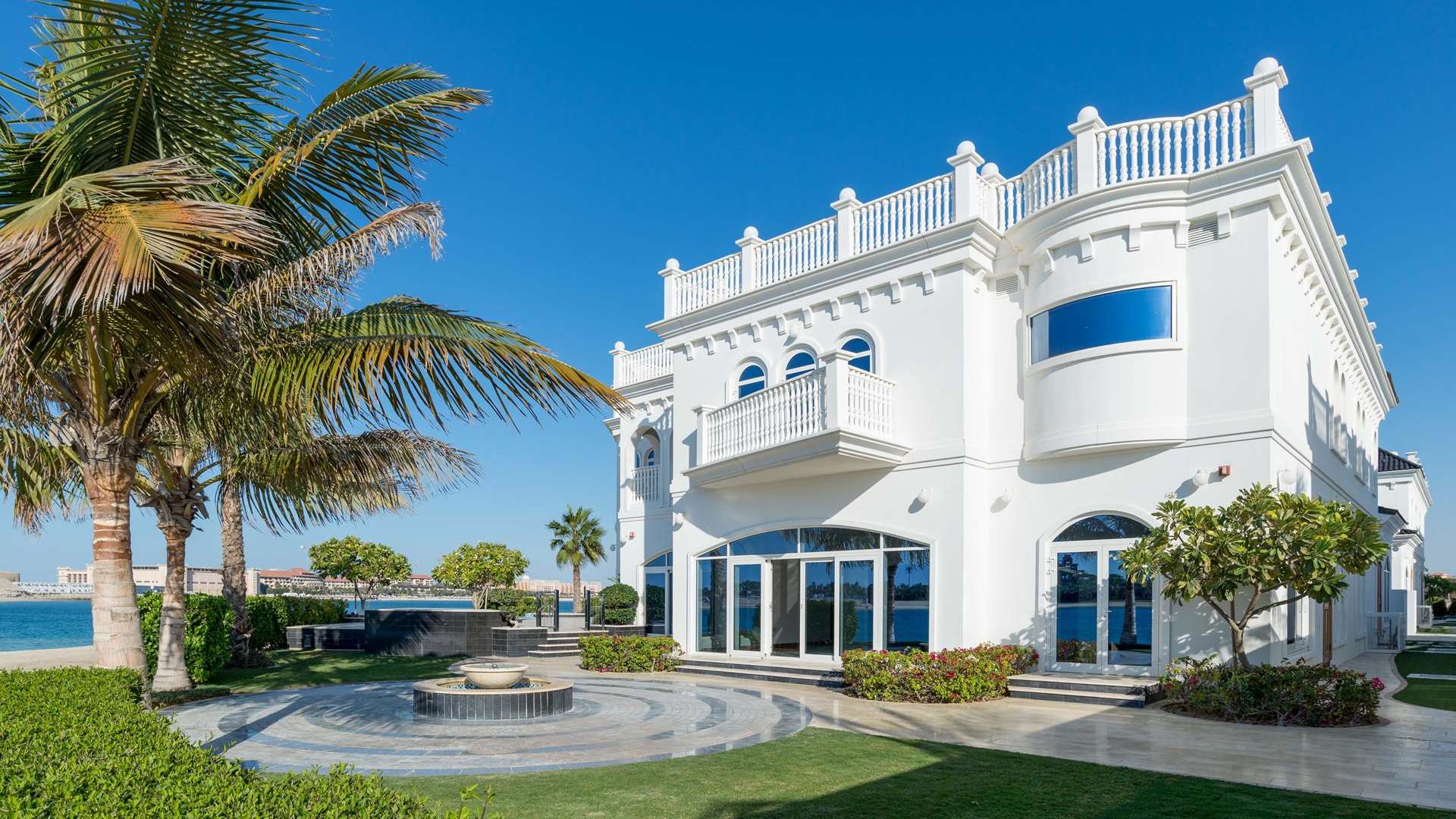


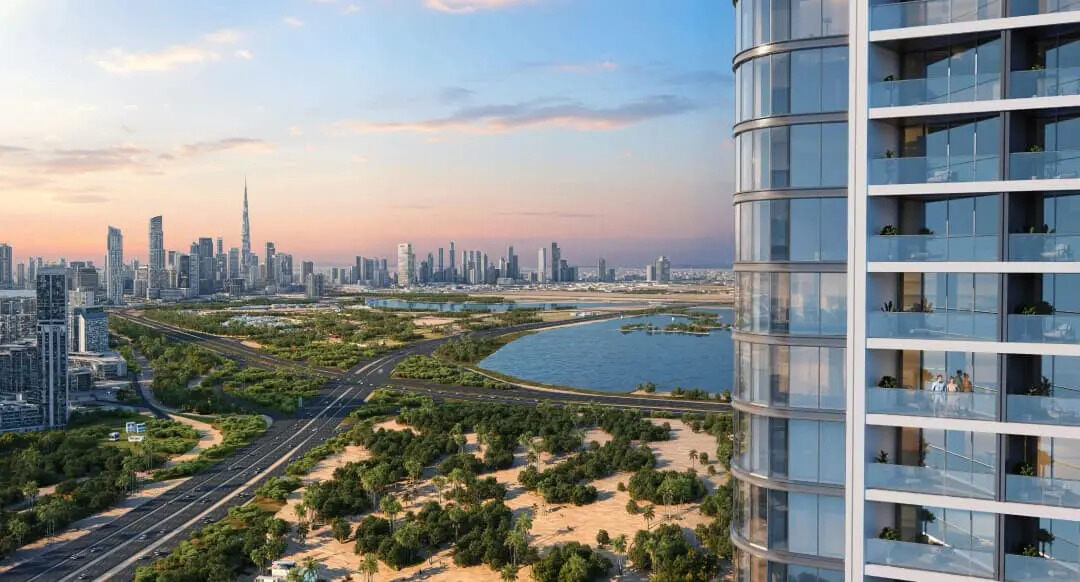
The United Arab Emirates continues to rank among the world’s most active real estate markets. Strong economic diversification, strategic location, business-friendly policies, and infrastructure development support its appeal. As we progress through 2025 into 2026, off-plan properties remain a major segment, though the market shows signs of maturing amid increased supply, geopolitical uncertainties, and shifting buyer caution.
This guide provides a realistic overview of off-plan property trends in the UAE for 2026. It covers definitions, current drivers, key trends, risks, and practical advice based on available market data.
What Does Off-Plan Mean in the UAE?
An off-plan property is a unit sold before construction completes — sometimes before it even begins. Buyers commit based on floor plans, artist renderings, and developer timelines. In return, they often receive lower entry prices, phased payment plans, and the possibility of capital appreciation upon completion.
Off-plan projects in the UAE primarily include apartments, townhouses, villas, and mixed-use developments. Leading developers launch them across Dubai, Abu Dhabi, Sharjah, and Ras Al Khaimah. In Dubai, off-plan sales consistently accounted for 65–73% of residential transactions in 2025 and early 2026.
Why Off-Plan Properties Remain Relevant in 2026
The segment stays active due to structural factors, though momentum has moderated compared to peak boom years.
Regulatory Protections
Dubai Land Department (DLD) and Abu Dhabi’s Department of Municipalities and Transport enforce strict rules. Projects must register with escrow accounts that protect buyer funds. This framework enhances transparency and buyer confidence, though it does not eliminate all risks.
Visa and Residency Policies
Golden Visas, investor visas, and long-term residency options continue to attract foreigners. These policies support underlying demand for housing.
Demographic and Urban Growth
Population growth and economic diversification drive housing needs. New master-planned communities aim to accommodate both residents and investors.
However, 2026 brings challenges: rising supply (tens of thousands of new units expected), regional geopolitical tensions, and selective cooling in some segments.
Key Off-Plan Property Trends UAE 2026
1. Continued Dominance of Master-Planned Communities
Buyers increasingly prefer suburban and integrated communities over pure downtown high-rises. Areas offering green spaces, schools, healthcare, retail, and leisure facilities perform better. In Dubai, locations like Dubai Hills Estate, Dubai South, and waterfront developments remain popular. Abu Dhabi focuses on sustainable mixed-use neighbourhoods.
2. Sustainability and Smart Features
Sustainability has moved from marketing to a notable buyer consideration. Many new projects incorporate energy-efficient designs, smart home technology, green spaces, and better waste management. True premium certifications (e.g., LEED) still differentiate projects rather than being universal. Buyers in 2026 are more selective about genuine environmental credentials versus greenwashing.
3. Payment Plans: More Realistic Terms
Flexible payment plans remain a key attraction, often structured as 20-30% during construction with the balance at handover. Developers have adjusted terms in response to market conditions — some now require stronger upfront commitments or offer targeted incentives. Post-handover payment options exist but are not standard and usually come at a cost.
4. Evolving Buyer Profiles
- Millennials and Young Professionals: Attracted to tech-integrated, lifestyle-focused developments.
- International Investors: Still active, though more cautious due to global uncertainties.
- Families: Prioritizing communities with amenities and connectivity.
- End-Users vs Speculators: A gradual shift toward buyers seeking actual residency rather than quick flips.
5. Technology in Sales and Marketing
Virtual reality tours, augmented reality previews, drone footage, and digital platforms are now standard. These tools help buyers assess projects remotely.
Leading Locations in 2026
Dubai
The primary hub. Off-plan activity concentrates in master communities, transit-oriented areas, and emerging districts. Prices showed resilience in Q1 2026, but analysts note potential moderation as supply increases.
Abu Dhabi
Gaining traction with off-plan dominating a high share of transactions (around 83% in early 2026 data). Focus remains on quality, sustainability, and long-term stability. Prices for villas remain notably lower than Dubai.
Secondary Emirates
Sharjah and Ras Al Khaimah offer more affordable entry points. RAK benefits from specific catalysts like tourism and casino-related projects, but liquidity and rental demand are generally lower. These markets suit buyers comfortable with higher risk for potential upside.
Buyer Expectations Shaping the Market
Modern buyers demand more than basic units. Priorities include:
- Curated lifestyle amenities (wellness, coworking, community events).
- Strong connectivity to airports, metros, and employment hubs.
- Transparent construction updates and realistic timelines.
- Reliable after-sales service and defect liability periods.
Developers responding to these expectations tend to perform better in sales and reputation.l.
How to Approach Off-Plan Purchases Successfully in 2026
Conduct Thorough Research
Review DLD/RERA project registrations, developer history, and construction progress reports.
Assess Developer Credibility
Prioritize companies with proven delivery records.
Analyse Location Fundamentals
Evaluate long-term demand drivers: infrastructure, employment, schools, and transport links.
Financial Planning
Stress-test your budget against possible delays and market corrections. Avoid over-leveraging.
Seek Professional Advice
Work with reputable consultants or lawyers familiar with UAE real estate. Cross-check information from multiple independent sources.
Visit Similar Completed Projects
Inspect past deliveries by the same developer to gauge quality standards.
Future Outlook for Off-Plan Properties in UAE 2026–2027
The outlook is cautiously positive but selective. Population growth and economic strategies support underlying demand. However, success will depend more on project quality, location fundamentals, and developer execution than on blanket market appreciation.
Trends likely to shape the coming years:
- Greater emphasis on sustainable and smart developments.
- Continued PropTech integration.
- More balanced supply-demand dynamics.
- Potential price moderation in oversupplied segments (some forecasts suggest 5–15% adjustments rather than sharp declines).
Investors should focus on long-term value rather than short-term speculation.
Conclusion
Off-plan properties continue to play a vital role in the UAE real estate market in 2026. They offer opportunities for capital growth and lifestyle upgrades but require careful evaluation due to inherent risks, particularly around delivery timelines and market cycles.
A realistic approach — grounded in due diligence, developer reputation, and location analysis — improves outcomes. The market has matured significantly, with stronger regulations providing better buyer protections than in previous cycles, yet challenges like delays and supply pressure persist.
For those considering off-plan investments, treat this as a long-term commitment rather than a guaranteed quick win. Stay informed through official sources such as the Dubai Land Department, Abu Dhabi real estate authorities, and reputable market analysts.