

Dubai’s real estate market remains one of the most active globally, with off-plan properties continuing to drive the majority of transactions. In early 2026, off-plan sales accounted for a substantial share of activity, reflecting strong interest from both local and international investors. However, the market has shifted from the rapid appreciation seen in previous years toward a more sustainable, selective phase.
Off-plan properties — those purchased before or during early construction — can offer advantages such as lower entry prices compared to ready units and flexible developer payment plans. Yet success in 2026 depends heavily on careful selection rather than broad optimism. This guide provides an updated, realistic overview of the benefits, risks, current trends, and steps to invest wisely in Dubai’s off-plan sector.
What Is Off-Plan Real Estate Investment?
Off-plan real estate refers to properties sold while still in the planning or construction phase. Buyers reserve units based on floor plans, renderings, and developer specifications, often securing them at a discount to expected completed values.
In Dubai, regulated by the Dubai Land Department (DLD) and Real Estate Regulatory Agency (RERA), off-plan purchases typically involve an initial booking fee followed by installment payments tied to construction milestones. Funds are usually held in escrow accounts, providing a layer of buyer protection. While this structure lowers the upfront capital required, it also introduces risks related to project execution and market timing.
Why Consider Off-Plan Properties in Dubai?
Dubai’s population growth, economic diversification, and ongoing infrastructure development continue to support real estate demand. Off-plan investments can play a role in a diversified portfolio, but expectations should be grounded.
1. Potentially Lower Entry Costs
Off-plan units are often priced 10–25% below comparable ready properties in the same area at launch. This can make prime or emerging locations more accessible, especially for investors with moderate capital. However, the final cost includes all installments, and any post-launch price adjustments or additional fees should be factored in.
2. Capital Appreciation Potential
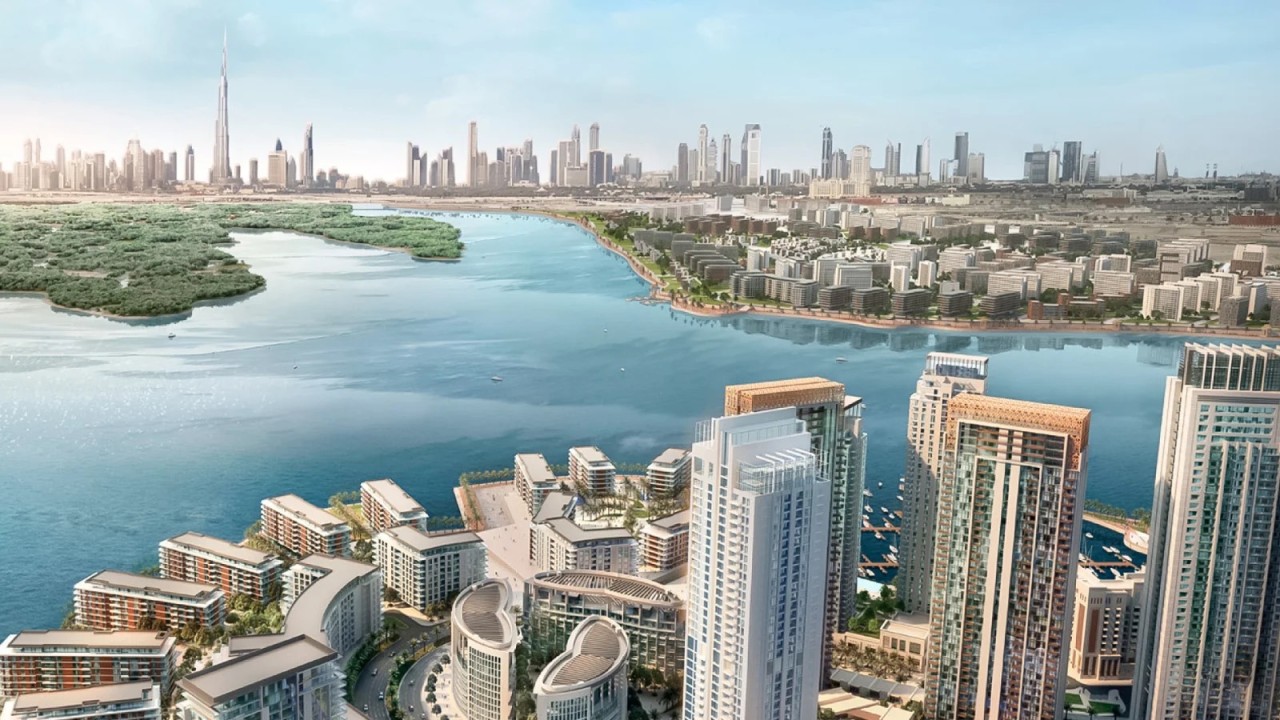
Early buyers in well-located projects have historically benefited from value uplift as construction progresses and the area matures. In 2026, areas like Dubai Creek Harbour, Dubai Hills Estate, and certain phases in Dubai Marina continue to attract attention due to infrastructure improvements and master planning. That said, overall price growth is moderating. Analysts expect more sustainable (not explosive) appreciation, with some segments facing pressure from rising supply in 2026–2027. Not every project will deliver strong gains — selectivity is essential.
3. Flexible Payment Plans
Developers commonly offer structured plans, such as 50/50, 60/40, or milestone-based schedules spread over 2–5 years. Some include post-handover options. These plans improve cash flow management compared to paying full price for a ready property. Investors should model their liquidity carefully, as missed payments can lead to penalties or contract termination.
4. Access to Developing Locations
Many off-plan launches occur in established or emerging prime areas, including Dubai Creek Harbour (future waterfront district), Dubai Hills Estate (green, family-oriented community), and Dubai South or Jumeirah Village Circle (JVC) for more affordable entry points. These locations benefit from planned transport links, retail, and amenities, but full realization of potential can take years.
5. Modern Amenities and Infrastructure
New developments frequently incorporate contemporary features: smart home technology, wellness facilities, pools, gyms, green spaces, and integrated retail. Sustainability elements, such as energy-efficient designs, are increasingly standard in response to buyer demand and regulatory pushes.
6. Portfolio Diversification
Off-plan options span apartments, townhouses, and villas across luxury, mid-market, and affordable segments. This variety allows investors to balance growth potential with income objectives, though rental income only begins after handover.
How to Invest in Off-Plan Properties in Dubai: Step-by-Step
Successful investment requires thorough preparation.
Research Reputable Developers
Focus on established names with strong delivery track records, such as Emaar Properties, Nakheel, DAMAC Properties, Sobha Realty, and Meraas. Tier-1 developers generally show better on-time completion rates (Emaar often cited for higher reliability). Review past projects, RERA registration, and financial stability. Avoid smaller or unproven developers unless supported by strong partnerships.
Evaluate Location and Project Fundamentals
Prioritize areas with proven or clear demand drivers: proximity to business hubs, public transport (Metro, tram), schools, hospitals, and lifestyle amenities. Dubai Creek Harbour benefits from waterfront positioning and future connectivity; Dubai Hills appeals to families. Emerging areas like JVC or Al Furjan may offer higher rental yields but carry different growth profiles. Assess the overall master plan, expected supply in the sub-market, and realistic timeline for maturity.
Analyze Payment Plans and Total Costs
Understand every milestone, percentage due, and any post-handover payments. Calculate the full financial commitment, including potential service charges, DLD fees (4% transfer fee on completion), and agent commissions. Factor in opportunity costs of capital locked during construction.
Assess Rental and Resale Potential
Average gross rental yields in Dubai hover around 6–8% in 2026, with apartments often performing better than villas (higher yields in mid-market areas like JVC, Arjan, or Business Bay; lower in ultra-prime locations). Yields are attractive compared to many global cities but have moderated. Rental income starts only at handover, and short-term vacancy or oversupply in high-density zones can affect returns. For resale, consider exit liquidity risks near completion when many investors may sell simultaneously.
Understand Financing Options
Most buyers rely on developer installment plans during construction. Traditional bank mortgages for off-plan are limited — often with lower loan-to-value (LTV) ratios (around 50%) and disbursed mainly near completion. Newer partnerships (e.g., between Dubai Holding entities and banks like Emirates NBD) allow earlier pre-approval for select projects, improving planning. Always compare interest rates, eligibility, and conditions with multiple providers. Non-residents face additional restrictions.
Legal Due Diligence and Agreement
Engage a qualified real estate lawyer to review the Sale and Purchase Agreement (SPA). Verify escrow arrangements, delay compensation clauses, and specification standards. Register the transaction with DLD/RERA for full protection.
Key Trends in Dubai’s Off-Plan Market in 2026
- Sustainability Focus: More projects integrate green building standards, energy efficiency, and eco-friendly materials to meet buyer preferences and long-term regulations.
- Smart Technology Integration: Automated systems, advanced security, and connected amenities are becoming standard, enhancing appeal and potential value.
- Balanced Luxury and Affordability: Developers are offering “affordable luxury” options alongside ultra-high-end branded residences. Low-density villa communities often outperform high-rise apartments in demand stability.
- Measured Growth: Off-plan remains dominant, but the market emphasizes long-term fundamentals over speculation. Investors are more selective, favoring established communities or well-planned new districts with clear infrastructure timelines.
- Evolving Financing: Partnerships enabling earlier mortgage integration for qualifying projects aim to reduce reliance on pure developer plans.
Conclusion
Off-plan real estate in Dubai continues to present opportunities for investors seeking exposure to the city’s long-term growth story through lower relative entry prices, structured payments, and modern developments. However, the environment in 2026 rewards caution and research rather than broad enthusiasm. Capital appreciation and rental yields are attractive relative to many international markets but are far from guaranteed and vary significantly by location, developer, and timing.