

Dubai’s real estate sector remains one of the world’s most dynamic investment destinations in 2026. The city attracts investors, homebuyers, and expatriates with its strategic location, tax-free environment, world-class infrastructure, and investor-friendly policies. However, success requires careful research beyond marketing hype. Whether you seek luxury waterfront apartments, off-plan villas, or commercial spaces, understanding the leading developers, market realities, and potential risks is essential.
Dubai’s property market features strong demand, particularly in off-plan segments (which accounted for around 70% of transactions in early 2026). Prices have stabilized with moderate growth, while rental yields remain competitive globally. Yet, challenges like high supply pipelines, variable construction timelines, and market fluctuations demand a realistic approach.
Overview of Leading Real Estate Developers in Dubai
Dubai’s market includes established players with strong track records and newer volume-driven developers. Here are key reputable companies:
Emaar Properties:
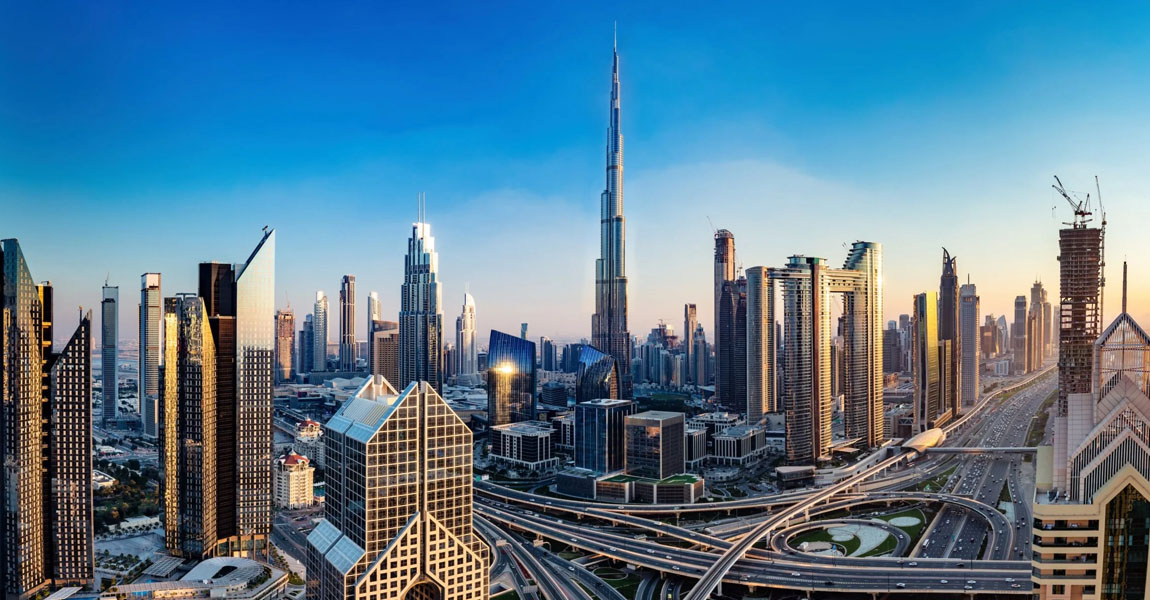
Consistently ranks among the top for master-planned communities. Iconic projects include Downtown Dubai, Dubai Marina, and Emaar Beachfront. Emaar is known for quality construction, timely delivery in many cases (often above 90% on-time rates for major projects), and excellent long-term resale performance.
DAMAC Properties:
A major player in luxury and high-volume residential developments. It specializes in branded residences and lifestyle communities. Strong in sales volume, though project finishes and after-sales service receive mixed feedback depending on the specific development.
Nakheel:
Renowned for large-scale waterfront and island projects such as Palm Jumeirah and Dubai Islands. It excels in coastal developments that appeal to buyers seeking iconic locations and capital appreciation potential.
Sobha Realty:
Stands out for its emphasis on high-quality construction, craftsmanship, and vertically integrated processes. Popular with end-users and families who prioritize premium finishes and reliable build quality over pure investment flips.
Meraas:
Focuses on lifestyle-driven, mixed-use communities like City Walk, Bluewaters Island, and La Mer. It blends residential, retail, and leisure elements effectively.
Binghatti Developers:
Known for bold, contemporary architecture and branded residences (e.g., collaborations with Bugatti and Mercedes-Benz). It ranks high in sales volume but is more volume-oriented, so quality can vary across projects.
Danube Properties:
Offers more affordable entry points with investor-friendly payment plans. It has a solid marketing presence and delivery track record in mid-market segments, though it is generally positioned lower in premium quality comparisons.
Other notable mentions include Ellington Properties, Omniyat, and Select Group, which often receive positive feedback for design and execution.
Key Features to Evaluate When Choosing a Developer
Reputable developers typically demonstrate several strengths, but no company is perfect across all projects:
Transparency and Compliance:
All major projects must register with the Dubai Land Department (DLD) and Real Estate Regulatory Agency (RERA). Check escrow accounts, payment plans, and project status on official portals.
Delivery Track Record:
Even top developers can face delays (commonly 6–12+ months). Tier-1 names like Emaar and Sobha generally perform better, but always review the specific project’s history.
Construction Quality:
Varies significantly. Sobha and Emaar often lead in finishes and materials; volume developers may prioritize speed and scale.
Location Strategy:
Prime areas (Downtown, Marina, Palm) offer better liquidity and rental demand. Emerging communities provide higher potential yields but carry more risk.
Return Potential:
Realistic gross rental yields in 2026 average 6.5–8% for apartments (higher in areas like JVC or Dubai South) and lower for villas. Total ROI (rental + appreciation) often ranges from 6–10% annually in balanced scenarios, but this is not guaranteed and depends heavily on location, management, and market conditions.
Popular Property Types in Dubai
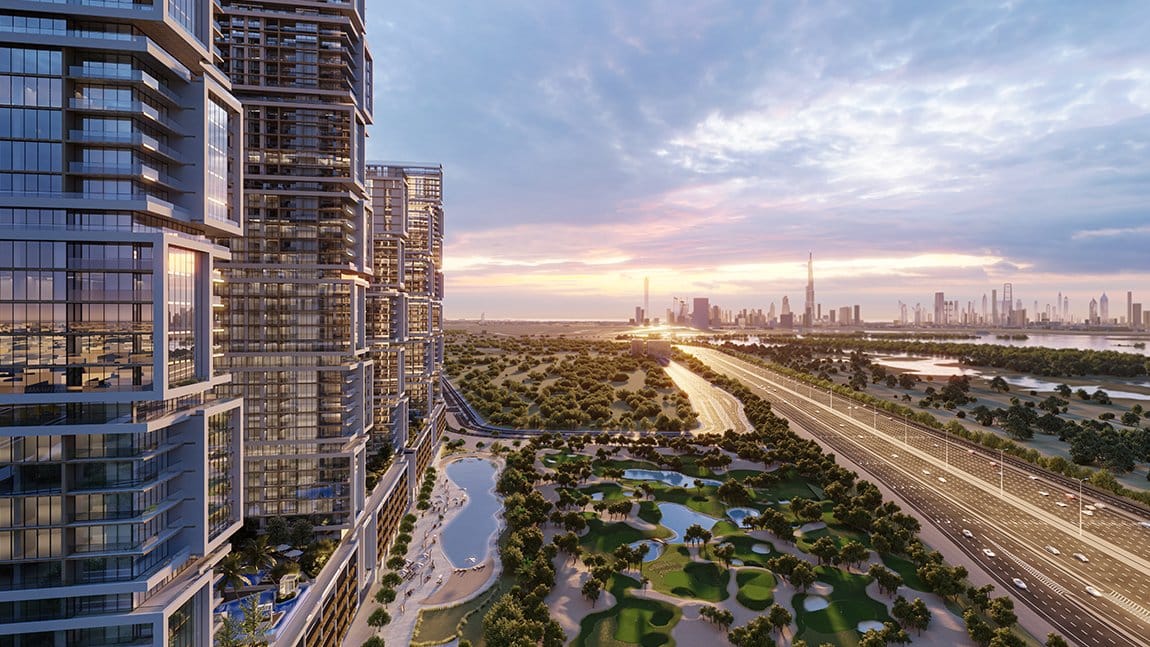
- Luxury Apartments: High-rise units in established areas with strong amenities and rental demand.
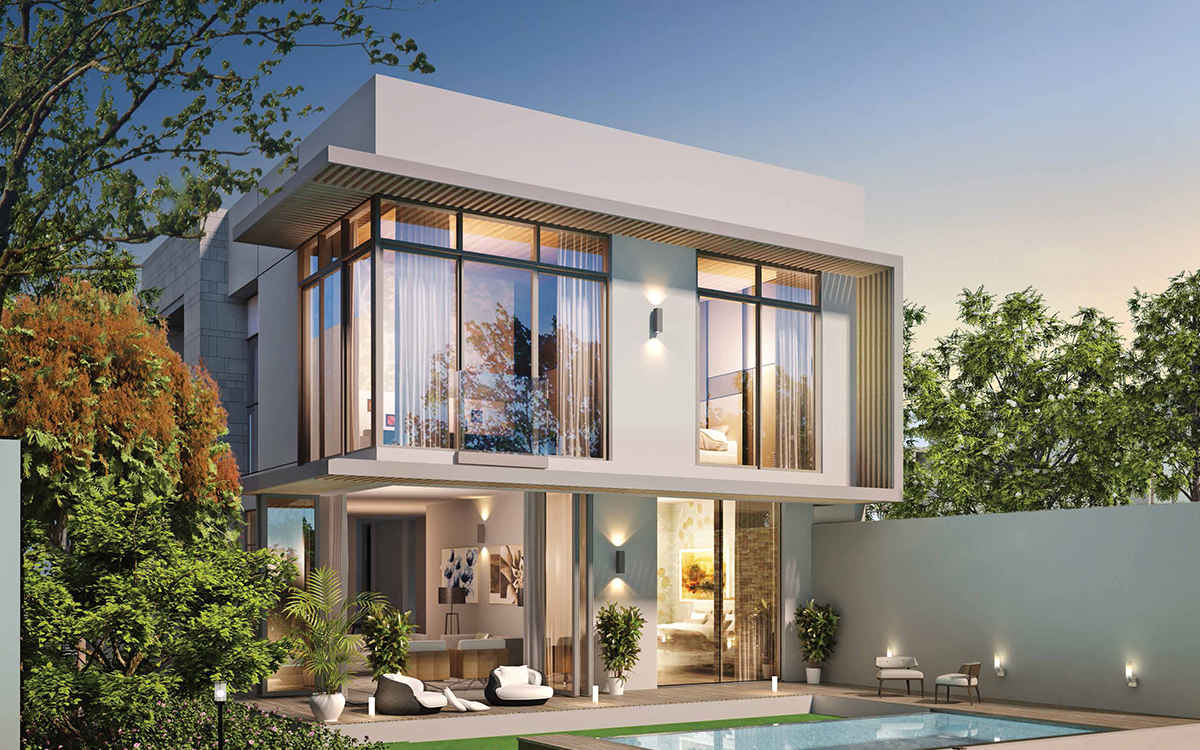
- Off-Plan Villas and Townhouses: Attractive payment plans (often 3–5 years) but longer wait times and higher delay risk.
- Ready-to-Move Properties: Ideal for immediate occupancy, rental income, or lower risk, though prices are higher.
- Commercial and Mixed-Use: Retail and office spaces in business hubs for diversification.
- Branded Residences: Premium pricing for brand cachet; evaluate whether the extra cost delivers proportional value in resale/rental.
Why Partner with Reputable Developers?
Established companies generally provide:
- Better financial stability and access to funding for project completion.
- Stronger compliance with DLD/RERA rules.
- Superior amenities (pools, gyms, parks, concierge).
- Improved liquidity and resale potential in secondary markets.
However, even reputable developers are not immune to market pressures. Off-plan investments, while popular, carry construction delays, potential oversupply in certain segments upon handover, and exposure to broader economic shifts.
Legal and Regulatory Framework
Dubai maintains a transparent system for property investment:
Freehold Ownership:
Foreigners can own properties outright in designated freehold areas (e.g., Dubai Marina, Downtown, Palm Jumeirah, JVC, Dubai Hills). Outside these, options are limited to leasehold.
Dubai Land Department (DLD):
All transactions must be registered here. Title deeds provide clear legal ownership.
Mortgage Financing:
Non-residents can typically borrow up to 50% of the property value; UAE residents may access higher ratios. Mortgages must be registered with DLD.
Investor Visas:
Property investment (with varying minimum thresholds depending on current rules) can support long-term residency visas.
Taxes and Fees:
No capital gains or income tax on rentals for individuals, but expect 4% DLD transfer fee, agent commissions (usually 2%), and annual service charges.
Always use a licensed real estate agent and engage a lawyer for complex transactions.
Future Trends in Dubai Real Estate
The sector is evolving toward:
- Sustainable and smart communities with green technologies and IoT integration.
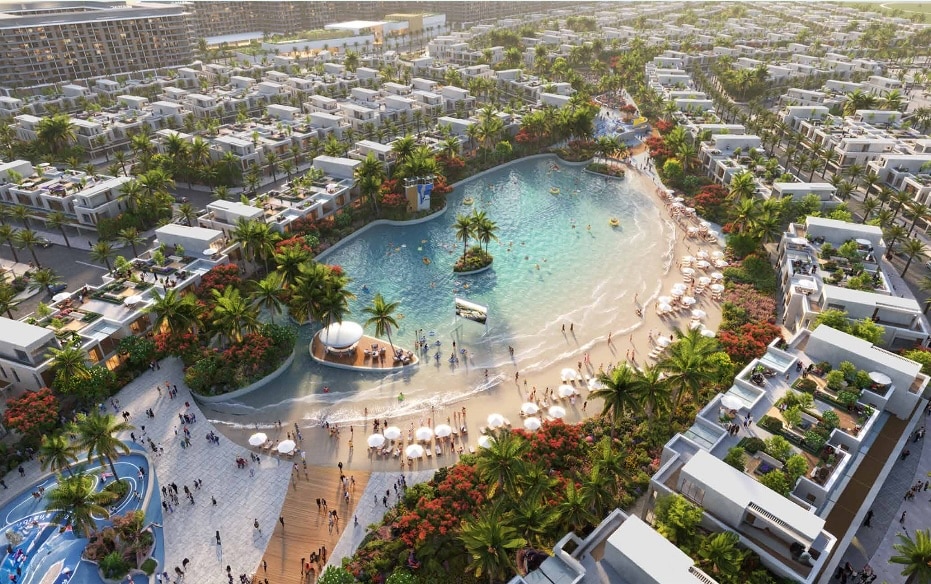
- Enhanced waterfront and mixed-use developments.
- Focus on quality over quantity as the market matures.
- Flexible payment plans and better buyer protections.
Developers aligning with these trends, particularly those emphasizing ESG standards and long-term livability, are likely to perform better.
Conclusion
Dubai’s real estate market offers genuine opportunities for capital appreciation, rental income, and lifestyle benefits in 2026. Partnering with established developers like Emaar, Sobha, Nakheel, or Meraas can improve your chances of a positive outcome, but success depends on realistic expectations, proper due diligence, and alignment with your personal goals—whether end-use, long-term holding, or short-term investment.