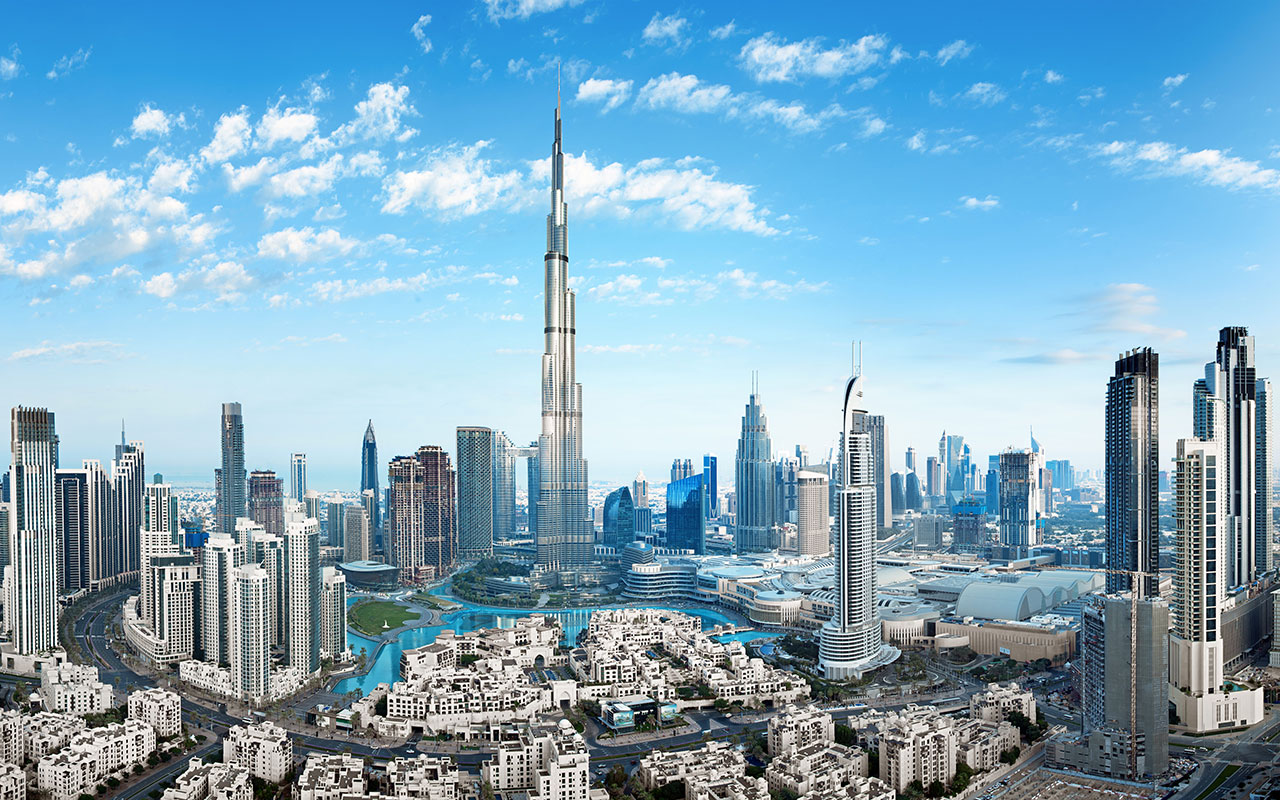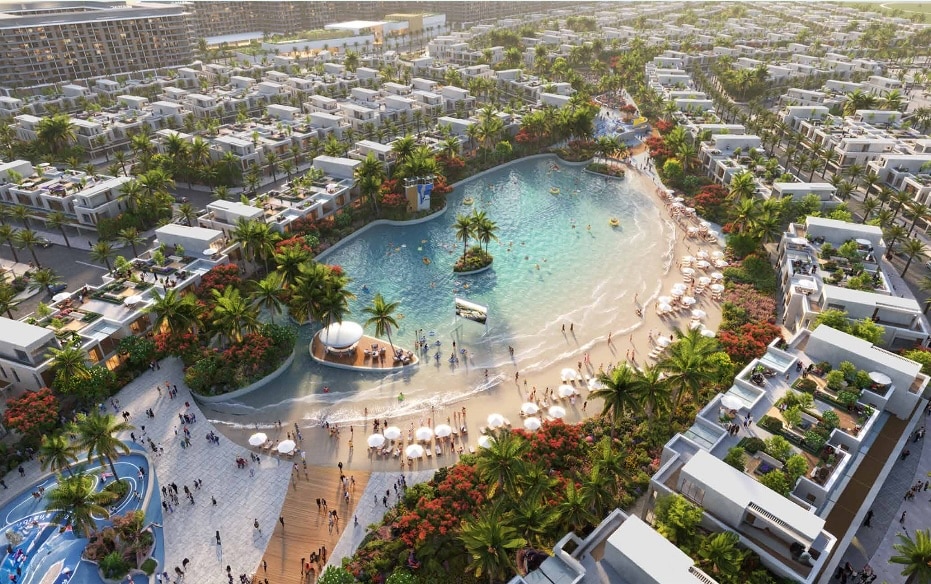


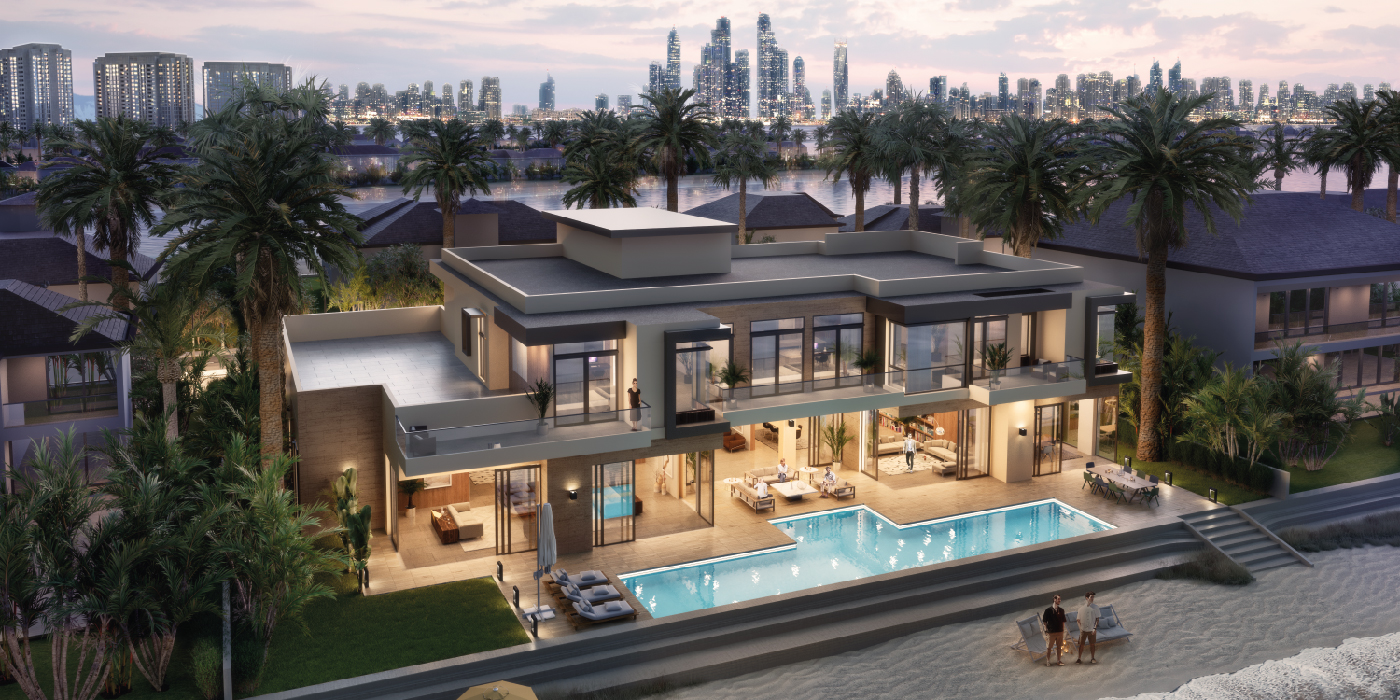
Dubai continues to captivate global buyers with its iconic skyline, tax-free environment, and world-class lifestyle. Beyond the glittering high-rises, the city’s villa market stands out for those seeking privacy, space, and prestige. Whether you are looking for a family home, a vacation retreat, or a long-term investment, villas in Dubai offer a unique blend of luxury and potential value growth.
This guide provides accurate, up-to-date information on why villas remain popular, the different types available, top communities, financing options, legal considerations, and practical advice for buyers in 2026.
Why Consider Buying a Villa in Dubai?
1. Strong Investment Potential with Realistic Returns
Dubai’s real estate market has delivered solid performance in recent years. Villas, in particular, have often outperformed apartments in capital appreciation due to limited supply and high demand for low-density living.
As of 2026, luxury villas typically offer gross rental yields of around 4–6%, with some well-located properties reaching 5–7%. Capital appreciation has moderated from the post-Expo boom but is still projected at approximately 8–12% annually in prime areas for well-chosen properties. Villas excel more in long-term wealth preservation and lifestyle value than in high short-term rental income compared to apartments.
Factors supporting the market include population growth, economic diversification, and ongoing infrastructure projects. However, returns are not guaranteed—market cycles, increased supply in certain segments, and global economic conditions can influence performance. Serious investors should focus on location, developer reputation, and net yields after costs.
2. Exceptional Lifestyle and Amenities
Villa communities in Dubai are master-planned with luxury in mind. Residents often enjoy:
- Private pools and gardens
- 24/7 gated security
- Clubhouses, gyms, and spas
- Landscaped parks and walking trails
- Proximity to international schools, hospitals, and golf courses
Many communities emphasize sustainability, family-friendly environments, and convenience.
3. Diverse Architectural Styles
Buyers can choose from contemporary minimalist designs with open layouts and smart home technology to Mediterranean or modern Arabic styles featuring arches, courtyards, and intricate detailing. Off-plan and bespoke options frequently allow personalization.
4. Favorable Ownership for Expats
In designated freehold areas, non-UAE nationals can own villas outright with full ownership rights. This transparency and ease of ownership make Dubai attractive compared to many other international markets.
Types of Villas Available in Dubai
1. Luxury Villas
These flagship properties feature expansive floor plans (often 5–8+ bedrooms), private pools, smart automation, and premium finishes. Prime examples are found in Emirates Hills, Palm Jumeirah, and select parts of Dubai Hills Estate. Prices typically start from AED 15–20 million and can exceed AED 100 million for ultra-exclusive estates.
2. Contemporary Modern Villas
Characterized by clean lines, large glass windows, open-plan living, and sustainable features, these appeal to younger families and professionals. Popular in Dubai Hills Estate, Al Barari, and emerging areas like Dubai South.
3. Mediterranean and Arabic-Style Villas
These blend traditional charm with modern comfort—think terracotta roofs, courtyards, and warm interiors. They are common in more established neighborhoods like Jumeirah and Arabian Ranches.
Top Areas for Villas in 2026
1. Palm Jumeirah
The iconic palm-shaped island offers beachfront villas with direct sea access and stunning views. It combines exclusivity with resort-style living and strong rental demand from high-net-worth individuals and families. Limited supply supports long-term value.
2. Emirates Hills
Often called the “Beverly Hills of Dubai,” this ultra-exclusive community features spacious, custom-built mansions with golf course views and maximum privacy. It is ideal for those prioritizing prestige and legacy assets, though entry prices are among the highest.
3. Dubai Hills Estate
A master-planned family community with contemporary villas, extensive green spaces, parks, and excellent schools. Its central location along Al Ain Road provides easy access to business districts while offering a suburban feel. Strong appeal for both end-users and investors.
4. Jumeirah Golf Estates
A premier golfing community surrounded by championship courses, lush landscaping, and premium amenities. It suits active lifestyles and offers a good balance of luxury and community living.
5. Other Notable Mentions
- Arabian Ranches and Damac Hills: Excellent for families seeking more affordable luxury.
- Al Barari: Nature-focused, eco-luxury living.
Note on Dubai Marina: While a vibrant waterfront destination famous for apartments and townhouses, true standalone villas are extremely limited (mostly triplex or specialty units). Buyers seeking classic villa living should prioritize the communities listed above.
Financing Your Villa Purchase
Expats and non-residents can access mortgages in Dubai, though terms vary by residency status, income, and property value.
- Loan-to-Value (LTV) Ratios: For resident expats, banks commonly offer up to 80% for properties under AED 5 million and around 70% for higher-value homes. Non-residents typically receive 50–65% LTV. UAE nationals enjoy higher limits (up to 85%).
- Interest rates generally start from around 4% (variable or fixed options available).
- Banks require proof of income (minimum salary often AED 15,000+ for residents), credit history, and sometimes a down payment plus additional costs.
Always obtain pre-approval and compare offers from major banks like Emirates NBD or Mashreq. Off-plan purchases usually have lower LTV ratios. Working with a mortgage broker familiar with the market is highly recommended.
Legal Considerations and Buying Process
- Freehold Zones: Confirm the property is in a freehold area via the Dubai Land Department (DLD).
- Due Diligence: Check the developer’s track record, service charges, and title deed. Use a reputable lawyer for contract review.
- Costs Involved:
- DLD transfer fee: 4% of the purchase price (typically paid by the buyer).
- Agent commission: Usually 2% (+VAT).
- Other fees: Registration, NOC, and possible service charge top-ups. Total transaction costs often add 6–7% to the purchase price.
- Resale vs Off-Plan: Off-plan can offer payment plans and potential discounts but carries construction risk. Resale provides immediate possession and rental income potential.
Practical Tips for Buyers in 2026
- Define your goals clearly: Pure investment, family home, or lifestyle asset?
- Visit communities multiple times and speak with current residents.
- Analyze net yields, not just gross. Factor in service charges (often AED 10–30 per sq ft annually for luxury villas).
- Work with RERA-licensed agents and independent lawyers.
- Monitor supply pipelines—areas with limited new villa inventory tend to perform better long-term.
- Consider Golden Visa eligibility: Property investments of AED 2 million+ can qualify for long-term residency.
Conclusion
Dubai’s villa market offers a compelling mix of luxurious living, privacy, and investment potential in one of the world’s most dynamic cities. While not every property will deliver spectacular short-term returns, prime communities continue to attract global demand for their lifestyle and scarcity value.
Success depends on thorough research, realistic expectations, and professional advice tailored to your circumstances. Whether you seek a serene family sanctuary in Dubai Hills Estate or an opulent beachfront home on Palm Jumeirah, Dubai provides options to suit discerning buyers.