

Dubai has solidified its position as a leading global real estate investment hub. It attracts first-time buyers and seasoned investors with its tax advantages, strong economic fundamentals, and diverse property options. Whether you seek a luxury home or a high-yield investment, the market offers compelling opportunities. This balanced guide covers the real benefits, step-by-step process, potential risks, and essential considerations to help you make informed decisions in 2026.
Why Invest in Dubai Real Estate in 2026?
Dubai’s property market continues to demonstrate resilience and growth, supported by several structural advantages:
Tax-Free Environment
Dubai offers a genuinely tax-efficient environment for property investors. There is no capital gains tax, no inheritance tax, no wealth tax, and no personal income tax on rental income for individuals. This significantly boosts net returns compared to most global markets. Note that standard transaction costs still apply (detailed below).
Dynamic and Diversified Economy
Driven by tourism, finance, trade, technology, and large-scale developments under Dubai Vision 2040, the emirate maintains strong long-term fundamentals. Post-Expo 2020 momentum and ongoing infrastructure projects continue to support demand.
World-Class Infrastructure and Lifestyle
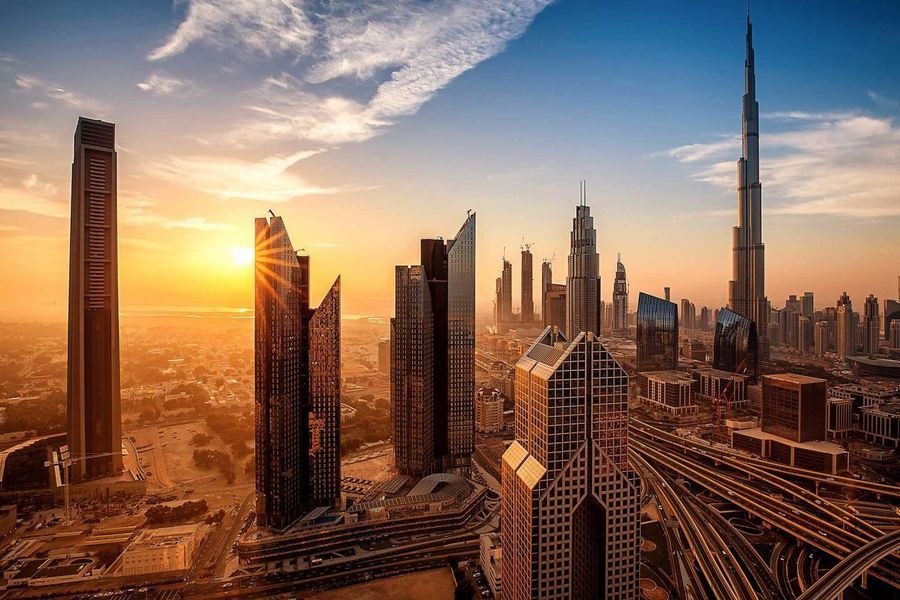
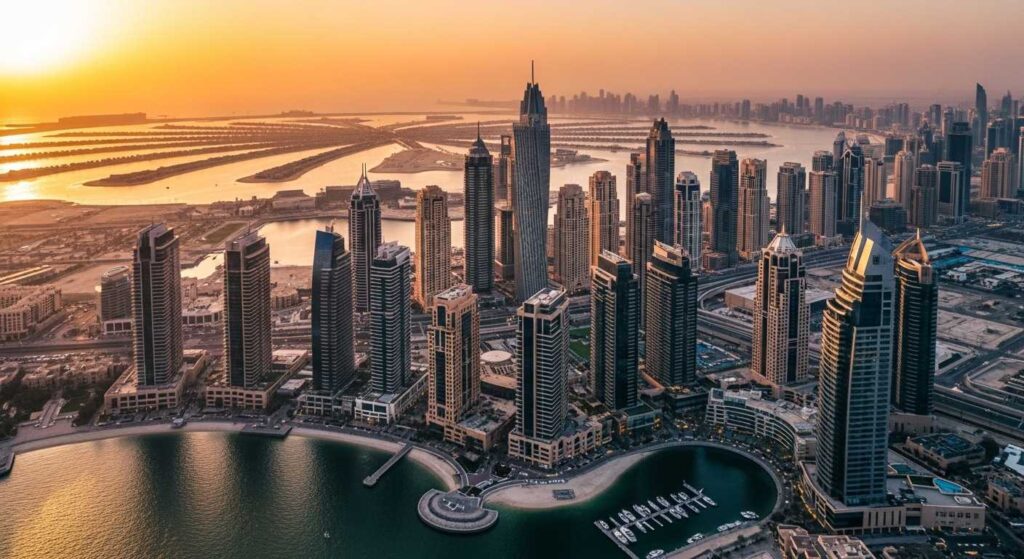
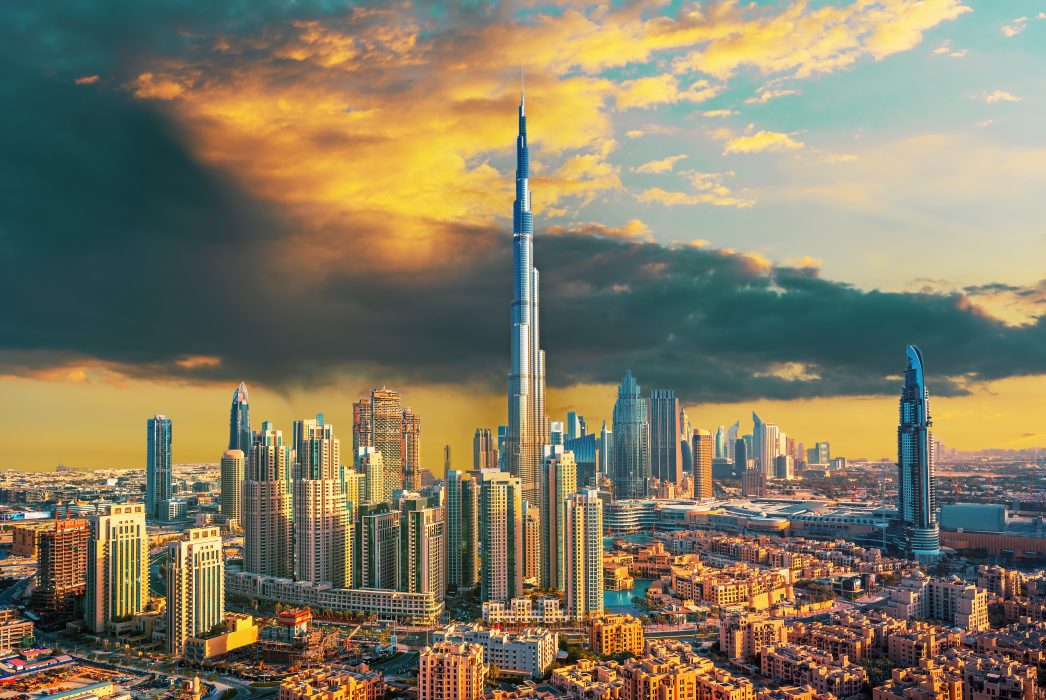
Modern amenities, efficient transport (including the Metro and upcoming expansions), iconic architecture, and high-quality facilities make areas like Downtown Dubai, Dubai Marina, Business Bay, and Palm Jumeirah highly desirable for both living and renting.
Foreign Ownership Rights
In designated freehold areas, non-residents can own property outright with full legal security. This transparency and ease of ownership distinguish Dubai from many other international markets.
Attractive Rental Yields
Dubai offers some of the world’s strongest gross rental yields, typically ranging from 5.5% to 9% depending on location and property type. As of 2026, the average stands around 6.5–7.5%, with higher yields (7–9%) often found in areas like Jumeirah Village Circle (JVC), Dubai Sports City, and Dubai Silicon Oasis. Prime locations such as Downtown Dubai or Palm Jumeirah may deliver lower yields (around 5–6.5%) but stronger capital appreciation potential.
Important nuance: These are gross yields. Factor in service charges (maintenance fees), potential vacancy periods, and management costs to calculate realistic net returns.
Types of Properties Available
Dubai’s market caters to various budgets and goals:
Luxury Villas and Penthouses:
Found in premium communities like Palm Jumeirah, Emirates Hills, and Dubai Hills Estate. These appeal to high-net-worth buyers seeking exclusivity and lifestyle benefits.
Apartments:
The most popular segment, ranging from affordable studios to high-end units in towers. Dubai Marina, Downtown, and Business Bay remain favorites for rental demand and convenience.
Off-Plan Properties:
Units purchased before or during construction. These often come at a discount with flexible developer payment plans (typically spread over 2–5 years, milestone-based). They suit investors targeting capital appreciation.
Commercial Properties:
Office spaces and retail units benefit from Dubai’s business-friendly environment, though they require deeper market knowledge.
Ready (Secondary) Properties:
Completed units offering immediate rental income and lower risk — increasingly popular in 2026 for investors prioritizing cash flow over potential discounts.
The Property Buying Process in Dubai
The process is relatively straightforward and transparent when following official channels:
Research and Selection
Define your goals (personal use vs. investment, budget, desired yield/appreciation). Work with RERA-licensed agents and research areas thoroughly.
Financing
- UAE Residents: Up to 80% Loan-to-Value (LTV).
- Non-Residents: Typically 50–65% LTV (35–50% down payment), though some banks offer better terms for strong profiles or specific properties. Interest rates generally range from 4–6.5% in 2026. Always compare multiple banks and consider total costs (including valuation and registration fees).
Legal and Due Diligence
Verify the property via the Dubai Land Department (DLD) and ensure the developer or seller is properly registered. Engage an independent lawyer for contract review.
Offer and Agreement
Sign a Memorandum of Understanding (MOU) or Sales Purchase Agreement (SPA) and pay a deposit (usually 10% for ready properties, varying for off-plan).
Completion and Title Deed
Pay the balance, settle the 4% DLD transfer fee (often paid fully by the buyer in practice), and receive your title deed at the DLD. Total transaction costs typically range from 6–8% of the property value (including agent fees, admin, and mortgage registration if applicable).
Key Considerations
Location Matters
Prime areas offer liquidity and prestige but higher entry prices and lower yields. Emerging or secondary locations can provide better rental returns and growth potential. Research infrastructure plans and demand trends.
Developer Reputation (Especially for Off-Plan)
Stick to established names like Emaar, DAMAC, Nakheel, and others with strong track records. Newer developers may offer better deals but carry higher execution risk.
Market Trends and Cyclicality
Dubai’s market has shown strong performance but is not immune to global economic shifts or interest rate changes. Prices and rents can fluctuate. Diversify and avoid over-leveraging.
Ongoing Costs
- Annual service charges (vary widely by building).
- Potential agency fees for renting out (typically 5% or one month’s rent).
- No recurring property tax, but budget for maintenance and insurance.
Legal and Professional Advice Always conduct full due diligence. Hire an independent real estate lawyer and consult a financial advisor familiar with cross-border investments.
Why Dubai Remains a Top Investment Destination
Combining lifestyle appeal, economic stability, high yields relative to many global cities, and straightforward foreign ownership, Dubai stands out. It particularly suits investors seeking portfolio diversification and tax efficiency. However, success depends on realistic expectations, proper research, and professional guidance.
Conclusion
Investing in Dubai property can be rewarding, whether for a luxury home, steady rental income, or capital growth. The market offers genuine advantages — but it rewards prepared investors who understand both the opportunities and the risks.
With careful planning, buying property in Dubai can be a smart addition to your portfolio. The city continues to evolve and attract global talent and capital — position yourself wisely to benefit from its growth story.