

Dubai continues to stand out as one of the world’s most dynamic real estate markets, drawing investors with its strategic location, world-class infrastructure, and business-friendly policies. The city offers diverse opportunities—from high-yield rental apartments to luxury waterfront villas and off-plan developments. However, as the market matures in 2026, success requires a realistic understanding of both opportunities and challenges.
This guide provides accurate, up-to-date insights to help you make informed decisions in Dubai’s evolving real estate landscape.
Why Invest in Dubai Property?
Dubai’s real estate sector has shown remarkable resilience, supported by strong population growth, economic diversification, and continuous infrastructure development. Several factors make it attractive, but returns are not guaranteed and depend on location, property type, timing, and management.
Key Advantages:
Tax Efficiency:
Dubai offers no personal income tax or capital gains tax on property for most individual investors. There is also no annual property tax. This can significantly boost net returns compared to many other countries. Note that you may still owe taxes in your home country on rental income or gains.
Rental Yields:
Gross yields for apartments typically range from 5.5% to 7.5% in 2026, with some mid-market areas reaching 7–8%. Villas and townhouses generally offer 4–6%. These figures remain competitive globally, though net yields are lower after service charges (often 0.5–1.5% of property value annually), maintenance, vacancy, and management fees.
Capital Appreciation Potential:
The market delivered strong gains in recent years, but growth is moderating. Analysts project 3–8% price appreciation in 2026, with stronger performance possible in well-located emerging areas.
Infrastructure and Lifestyle:
Iconic projects, modern transport, luxury amenities, and high safety standards enhance property appeal and tenant demand.
Political and Economic Stability:
A robust legal framework and investor protections build confidence.
Important Context for 2026: After years of rapid growth, the market is transitioning to a more balanced phase. Significant new supply (around 55,000+ units expected in 2026) may pressure rents and prices in some apartment segments, though demand from expatriates, families, and long-term residents continues to support fundamentals.
Key Areas for Investment in 2026
Location remains the most critical factor. Here’s a realistic overview of popular and emerging areas:
Downtown Dubai:
Iconic address near Burj Khalifa and Dubai Mall. Offers prestige and strong long-term demand, but lower rental yields (typically 4–5.5%) and higher entry prices. Best suited for capital preservation and luxury tenants.
Dubai Marina / JBR:
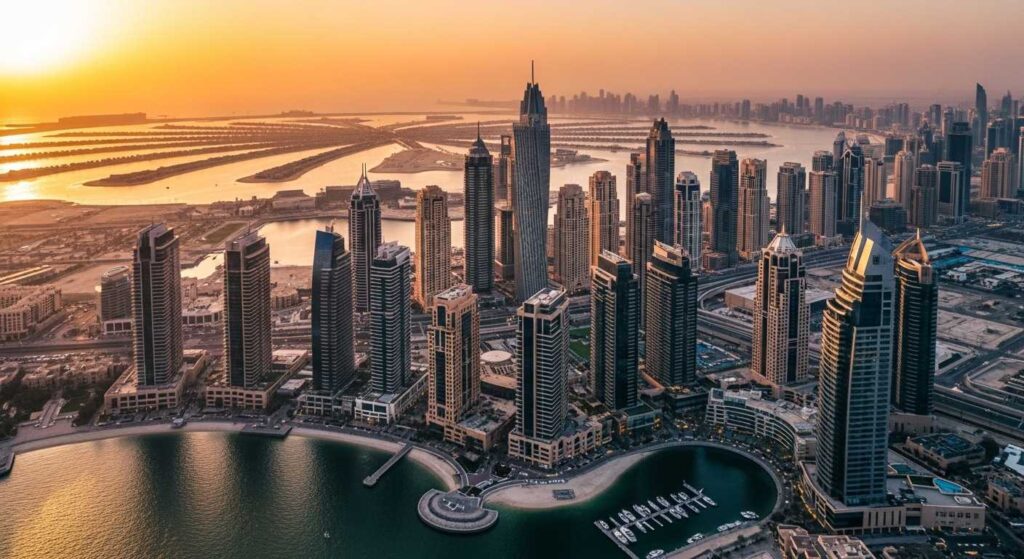
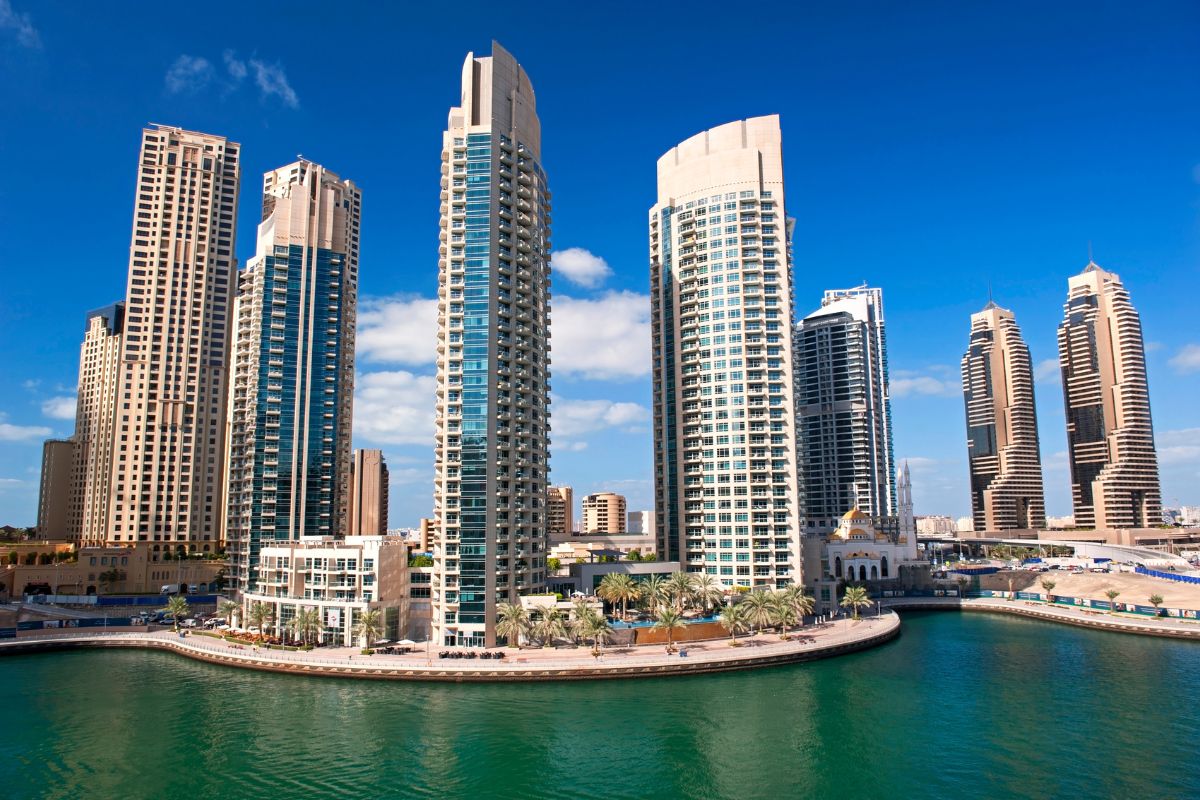
Vibrant waterfront lifestyle with excellent amenities and nightlife. Popular for apartments with solid rental demand from professionals and expats. Gross yields often 5–6.8%. High liquidity but competitive market.
Business Bay:
Central business district with mixed-use developments. Good balance of rental yields (5.5–7%) and growth potential due to ongoing commercial activity. Attractive for both residential and investment buyers.
Palm Jumeirah:
Luxury waterfront icon. Villas and premium apartments command high prices and exclusivity, with lower yields (around 3.5–5%) but strong appreciation and prestige value. Ideal for high-net-worth investors seeking lifestyle and branding.
Dubai South / Emerging Areas:
Near Al Maktoum International Airport. Offers more affordable off-plan opportunities with higher potential yields (up to 8–9% in some projections) and strong long-term growth from airport and logistics expansion. Higher risk-reward profile.
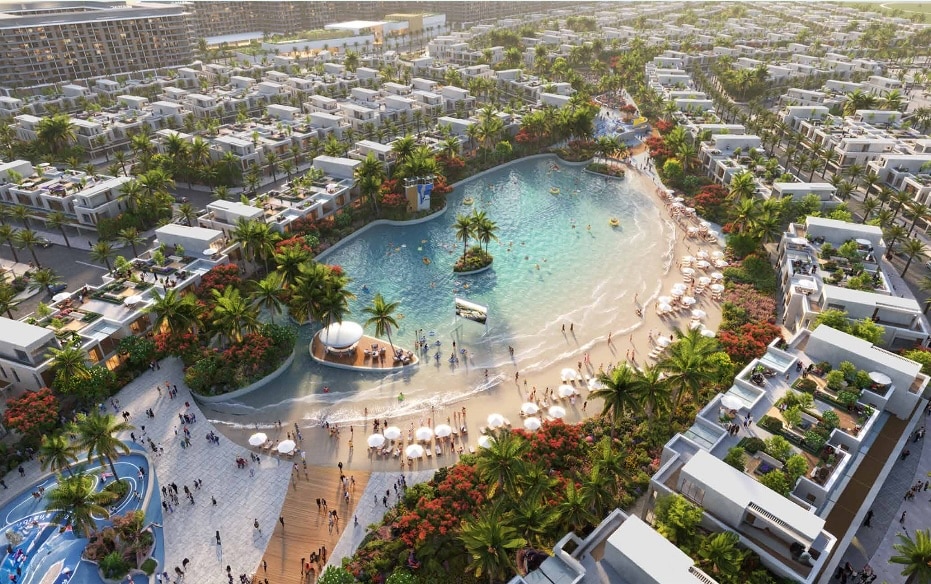
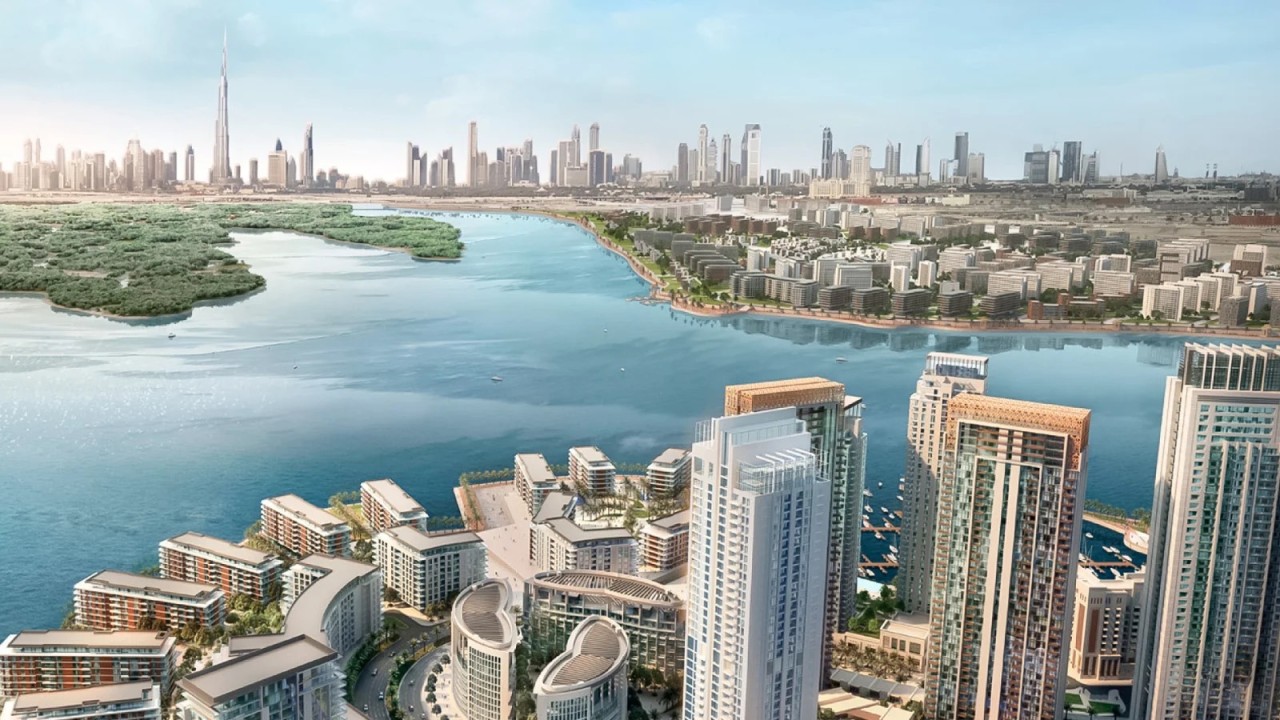
Other notable mentions for 2026 include Jumeirah Village Circle (JVC) for high yields, Dubai Hills Estate for family-oriented properties, and projects like Dubai Creek Harbour for future upside.
Types of Dubai Investment Property
Off-Plan Properties:
- Sold before completion with flexible payment plans (often 50-60% during construction, balance on handover).
- Advantages: Lower entry prices, potential for 15–30%+ capital appreciation by completion (if well-chosen), and modern designs.
- Risks: Construction delays, market changes upon handover, and no immediate income. Select reputable developers (e.g., Emaar, DAMAC, Nakheel) and review escrow protections.
Ready Properties:
- Immediate rental income and full transparency on quality and surroundings.
- Better for cash-flow focused investors. Liquidity is generally higher.
Villas and Townhouses:
- Appeal to families seeking long-term tenancies and more stable demand. Yields are typically lower than apartments but can offer better capital stability.
Waterfront Properties:
- High prestige and lifestyle appeal across Palm Jumeirah, Dubai Marina, and new developments. Command premium pricing and strong international tenant interest.
Benefits of Investing in Dubai Real Estate
Stable yet Competitive Rental Demand:
Expatriate population and economic growth support consistent leasing, especially in prime and family-friendly communities.
Foreign Ownership Flexibility:
Freehold ownership is permitted in designated areas, giving full legal title. Recent 2026 updates have also eased investor visa rules, removing previous minimum property value thresholds for eligible owners.
Portfolio Diversification:
Exposure to a growing, cosmopolitan hub connecting Europe, Asia, and Africa.
Professional Ecosystem:
Strong developer reputation, transparent Dubai Land Department (DLD) processes, and professional property management services simplify ownership.
Lifestyle and Resale Appeal:
Properties often double as second homes or vacation rentals in tourist-heavy areas.
Legal Considerations and Transaction Process
- Registration: All purchases must be registered with the Dubai Land Department (DLD). A 4% registration fee typically applies (often negotiated to be paid by the buyer).
- Freehold vs. Leasehold: Freehold grants full ownership in approved areas; leasehold is time-bound.
- Costs: Factor in 2% agent commission, service charges, and potential mortgage fees. No hidden annual property taxes.
- Due Diligence: Always verify developer track record, project status (via DLD), and conduct title searches. Engage independent lawyers for off-plan purchases.
- Investor Visa: Property ownership can support residency visas, with relaxed rules in 2026.
Why Dubai Remains Attractive for Global Investors in 2026
Despite moderating growth, Dubai’s fundamentals remain strong: population influx, major infrastructure projects (Dubai Creek Harbour, expanded airports, Expo legacy sites), and a pro-business environment. The city’s safety, cosmopolitan lifestyle, and strategic location continue to attract talent and capital.
For international investors, professional property management companies can handle everything from tenant sourcing to maintenance, making remote ownership feasible.
Conclusion
Investing in Dubai property offers compelling opportunities for rental income, capital growth, and lifestyle benefits in one of the world’s most forward-looking cities. In 2026, the market rewards selectivity, patience, and thorough research rather than broad optimism.
Yields of 5–8% (gross), combined with tax advantages and growth potential, position Dubai favorably against many global markets—but success depends on choosing the right location, property type, and timing while understanding risks like new supply and market moderation.
Whether you prefer ready apartments in established communities for immediate cash flow, off-plan projects for growth, or luxury villas for prestige, conduct proper due diligence. Consult licensed real estate agents, financial advisors, and lawyers. Review current DLD data and independent market reports before committing.