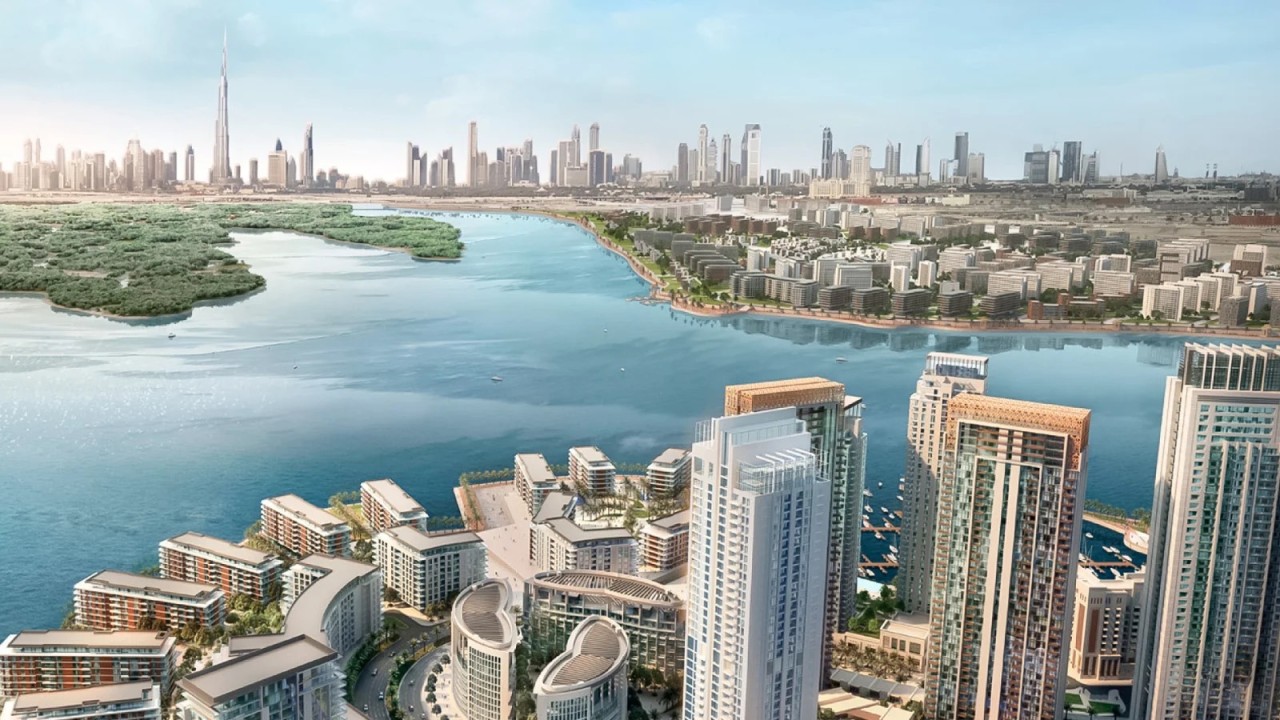


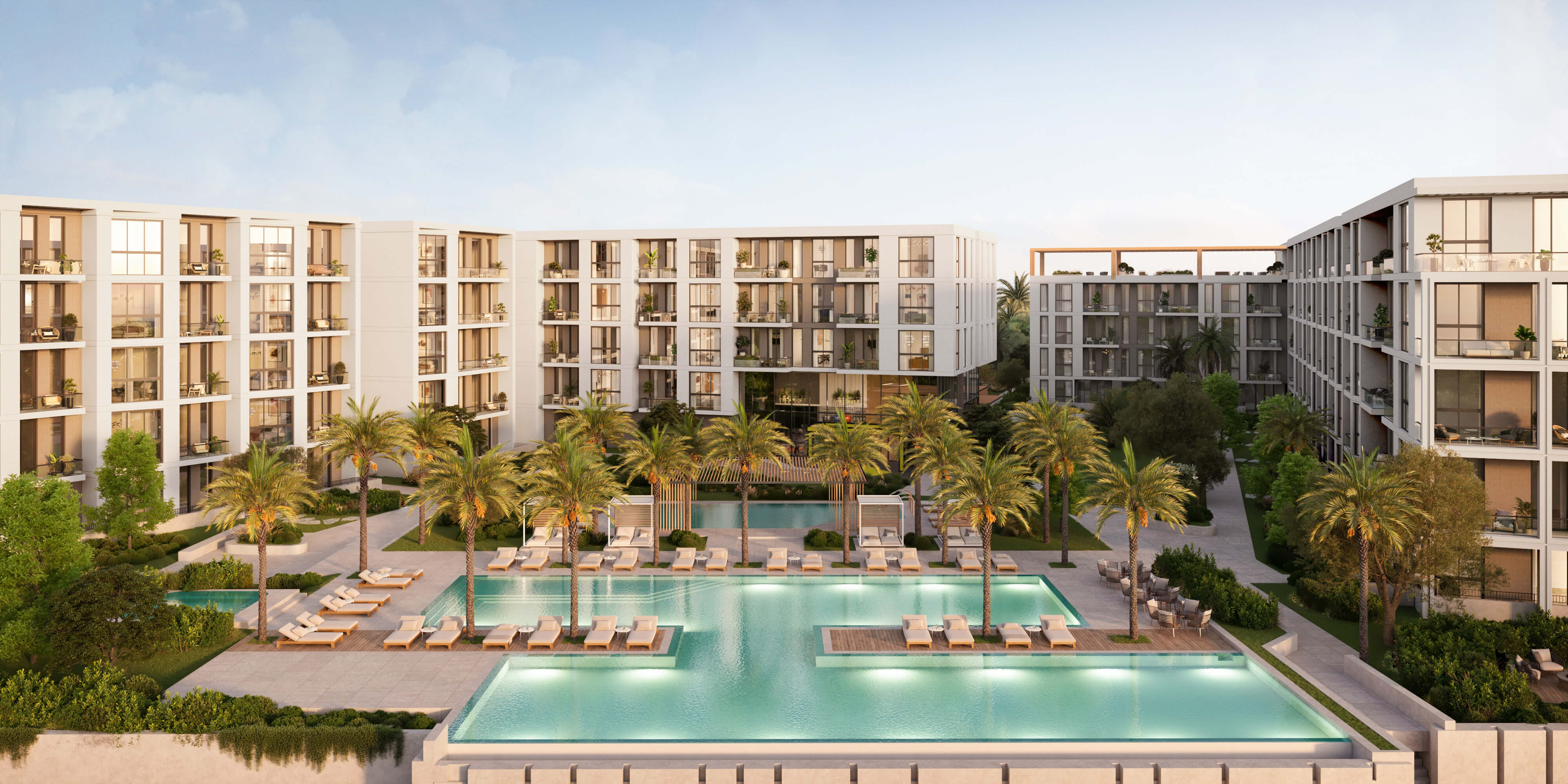
Off-plan projects in Dubai remain one of the most popular entry points into the city’s dynamic real estate market. They offer the chance to buy at pre-construction prices, benefit from structured payment plans, and potentially gain from future appreciation in a city that continues to expand. However, success in 2026 requires a realistic outlook: the market has shifted from the rapid post-pandemic boom toward greater selectivity amid rising supply.
This guide explores the true advantages, key risks, top locations, and practical steps to invest wisely in off-plan properties in Dubai.
What Are Off-Plan Projects?
Off-plan properties are real estate units sold before or during construction. Buyers purchase based on developer plans, renderings, and specifications, often at a lower price than completed (ready) properties.
Construction typically takes 2–4 years. Payments are linked to construction milestones via RERA-regulated escrow accounts, protecting buyer funds. This model allows developers to fund projects while giving investors an earlier, more affordable entry into the market.
Why Consider Off-Plan Investments in Dubai in 2026?
Dubai’s real estate market is maturing. Off-plan sales still dominate (often 60–70% of transactions), driven by flexible financing and access to new developments. Yet, experts note a shift toward more disciplined buying as supply increases in 2025–2026.
Key Potential Benefits
Lower Entry Prices:
Off-plan units are typically 15–30% cheaper than similar completed properties, providing a lower barrier to prime or emerging areas.
Attractive Payment Plans:
Many developers require only 10–20% as down payment, with the balance spread over years and tied to progress. This improves cash flow management.
Capital Appreciation Potential:
Well-chosen projects in strong locations can appreciate by handover, though realistic averages are closer to 8–15% total (not guaranteed double-digit annual gains). Prime areas and reputable developers tend to perform better.
Access to New Amenities and Infrastructure:
Early buyers enter master-planned communities with modern facilities, green spaces, and upcoming connectivity.
Customization:
Some developers allow early buyers limited input on finishes, layouts, or upgrades.
Important Reality Check: Returns are not automatic. Market conditions, location, developer execution, and broader economic factors play major roles. With anticipated supply growth, selectivity is now essential.
Top Areas for Off-Plan Investments in 2026
Downtown Dubai
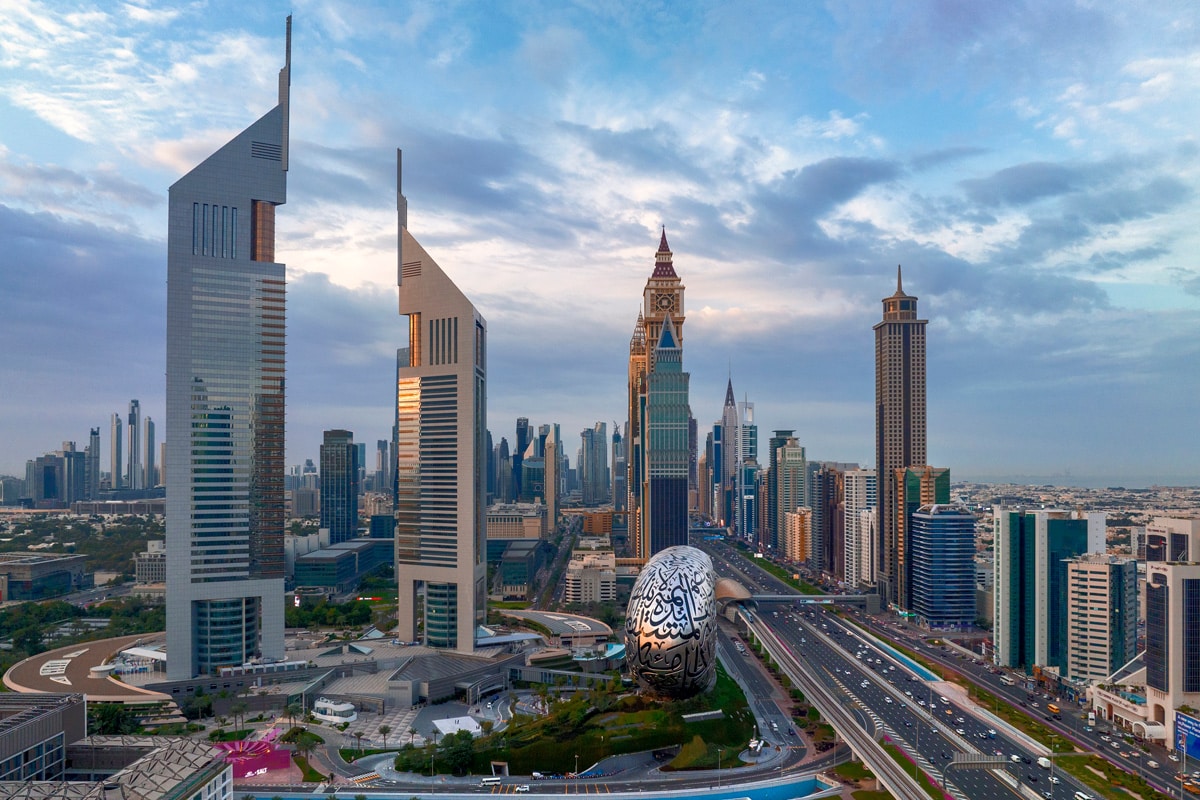
Iconic location with Burj Khalifa and Dubai Mall. High demand supports strong long-term value, though prices are premium. Suited for investors seeking prestige and rental demand.
Dubai Marina
Vibrant waterfront community with excellent infrastructure and lifestyle appeal. Popular for apartments with strong rental yields. New off-plan towers continue to launch here.
Dubai Hills Estate
A standout master-planned community in Mohammed bin Rashid City. Features golf courses, parks, schools, and family-oriented living. It balances green living with proximity to Downtown and business hubs, making it attractive for both end-users and investors.
Other Strong Contenders
- Business Bay and Dubai Harbour (commercial/residential mix)
- Emerging areas like Dubai South or Jumeirah Village Circle (more affordable but higher supply risk)
Prioritize projects aligned with Dubai’s long-term master plans for infrastructure and sustainability.
Key Benefits of Off-Plan Investments
- Lower Initial Purchase Price Secure assets at a discount before market premiums apply to completed units.
- Flexible, Structured Payments Milestone-based plans ease financial pressure. Always model your full cash flow, including potential delays.
- Portfolio Diversification and Tax Advantages Dubai offers no capital gains tax on property and attractive rental yields (often 6–9% in good locations post-handover).
- Potential for Modern, High-Spec Properties New builds incorporate current trends in smart home tech, energy efficiency, and luxury finishes.
- Early-Bird Advantages Better unit selection, possible customization, and potential price locks before general launches.
How to Choose the Right Off-Plan Project
Research the Developer Thoroughly
Check track record of on-time deliveries, financial stability, and past project quality. Favor established names with strong RERA history (e.g., Emaar, DAMAC, Nakheel).
Evaluate Location and Master Plan
Focus on areas with proven or planned demand, infrastructure, and diverse tenant appeal. Review proximity to metro, schools, malls, and employment hubs.
Analyze the Payment Plan and Total Costs
Understand all milestones, penalties, service charges, DLD fees (4% transfer), and potential extras. Ensure it fits your budget comfortably.
Review Project Details
Study floor plans, amenities, sustainability features, and handover timelines. Visit the sales center or site if possible.
Check RERA Registration
Verify the project is properly registered with escrow account details.
Consult Professionals
Engage a reputable real estate advisor and a lawyer specializing in Dubai property for contract review.
Legal Considerations and Buyer Protections
Dubai’s regulatory framework is investor-friendly. Key points:
- All off-plan projects must be registered with the Dubai Land Department (DLD) and RERA.
- Buyer payments go into escrow accounts and are released according to construction progress.
- 2026 updates (e.g., Dubai Law No. 4) further strengthen escrow rules and refund triggers.
- Contracts must detail timelines, specifications, and penalties for delays.
- If a project is severely delayed or cancelled, buyers have clear legal remedies and refund rights.
- Always register the sale agreement with DLD for full protection.
Never proceed without professional legal advice on the Sales Purchase Agreement (SPA).
Conclusion
Off-plan investments in Dubai can still offer compelling opportunities — lower entry prices, flexible terms, and participation in the city’s continued growth. However, they are not a guaranteed high-return shortcut. The market rewards thorough research, patience, and realistic expectations.
Success depends on choosing reputable developers, strong locations, and projects that match your financial situation and timeline. With increased supply on the horizon, 2026 may actually present better entry points for disciplined, long-term investors.