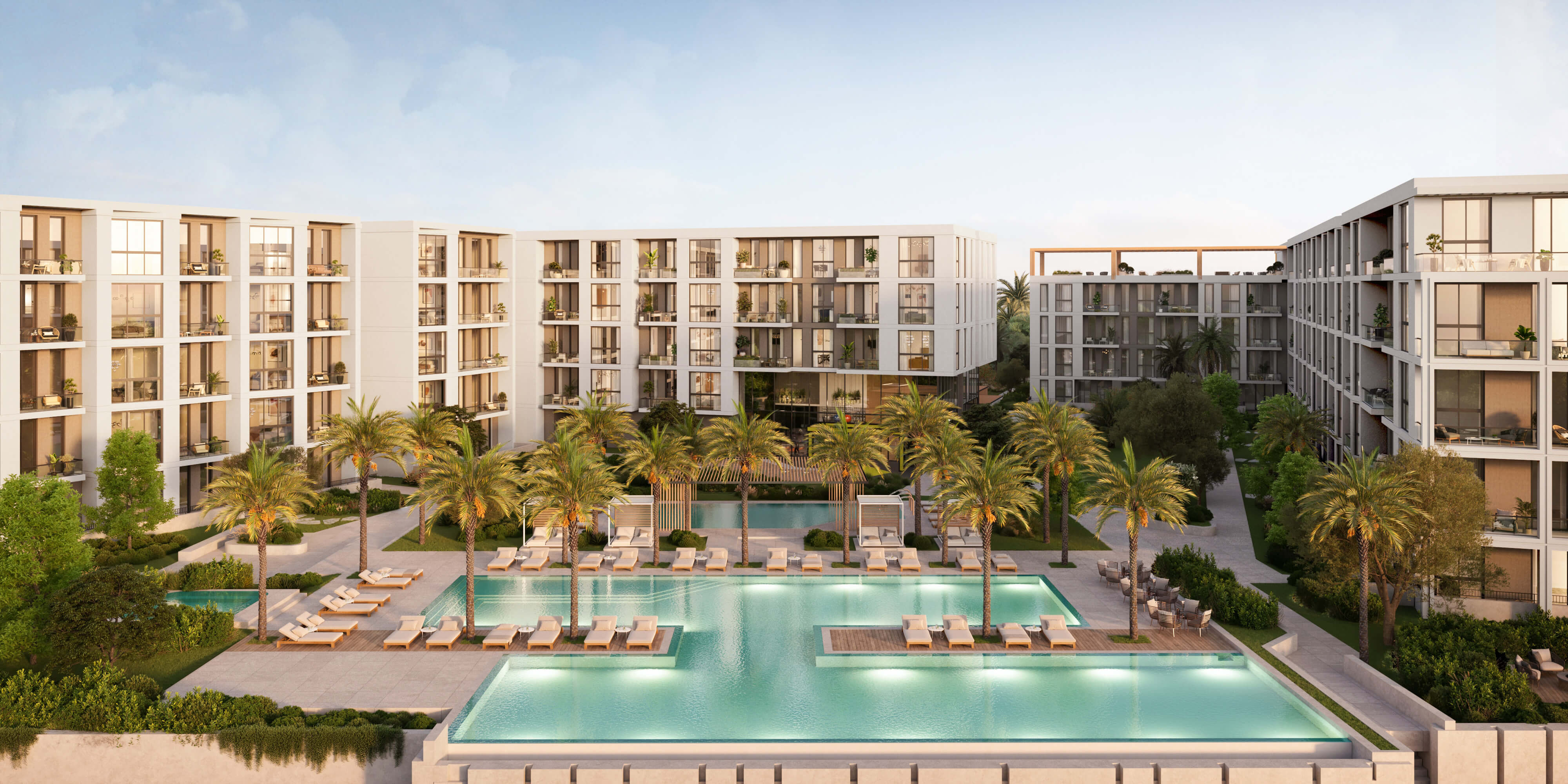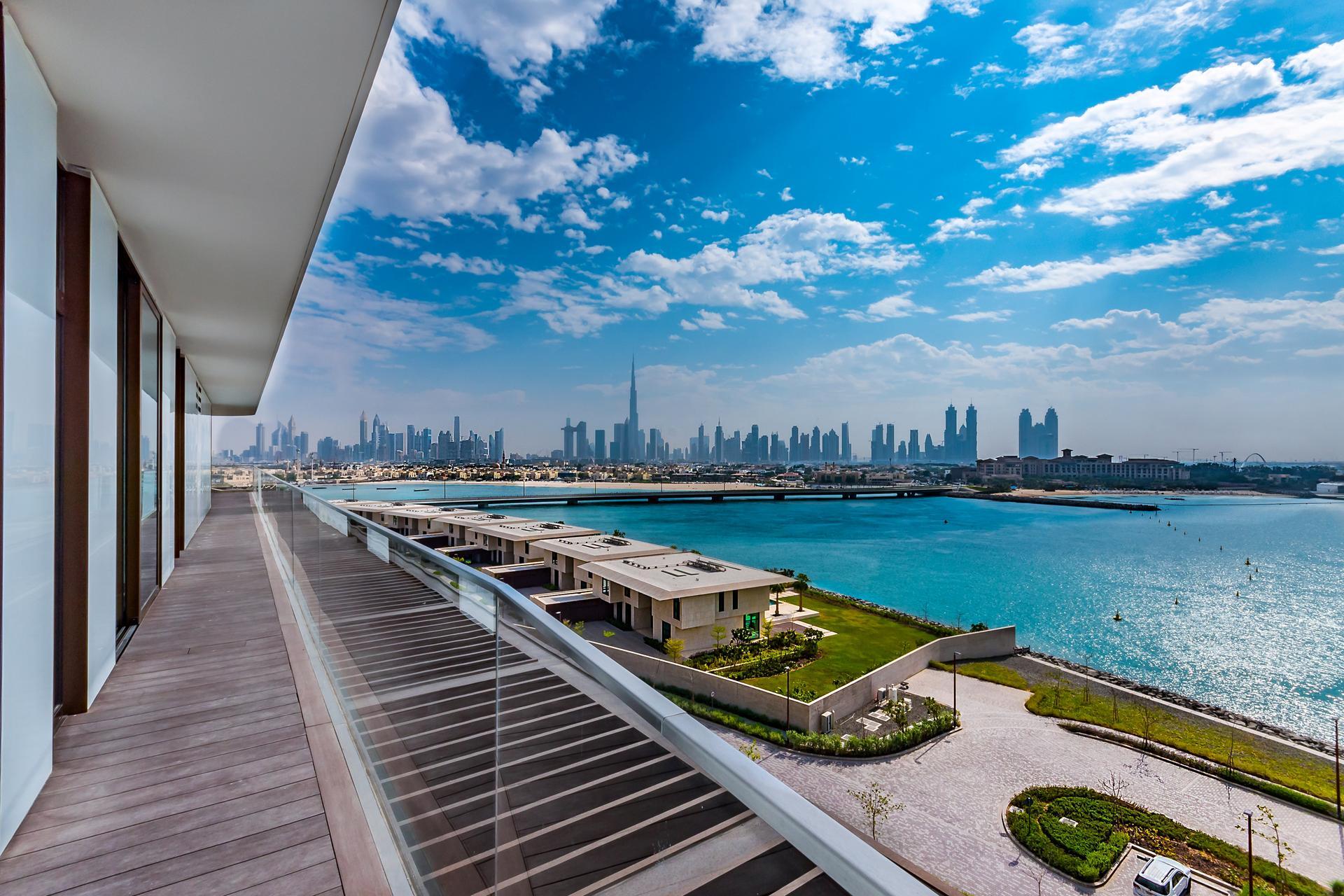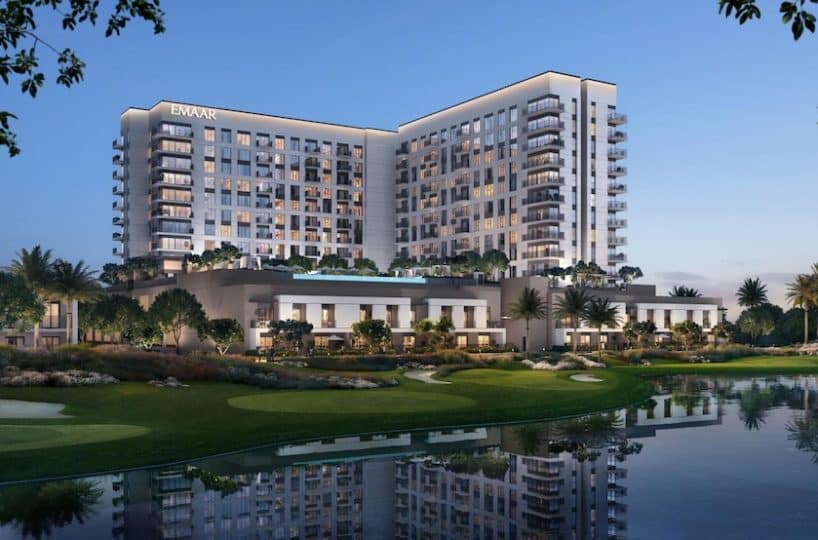


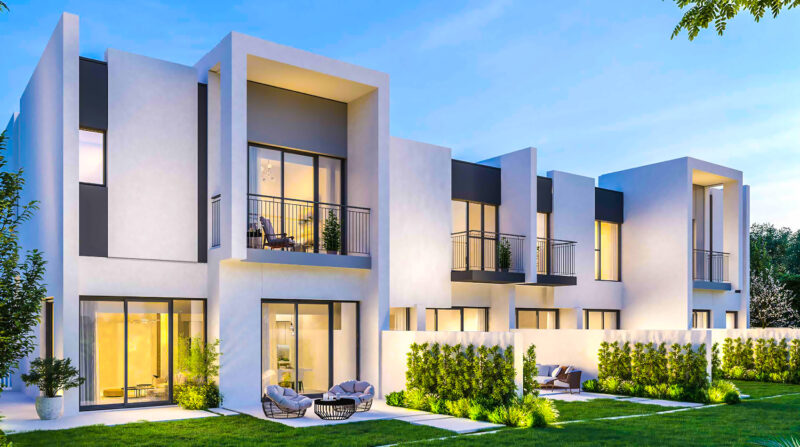
Dubai remains one of the world’s most dynamic real estate markets, driven by population growth, infrastructure expansion, tourism, and its status as a global business hub. Off-plan properties continue to dominate transactions — accounting for roughly 70-73% of deals in early 2026 — thanks to flexible payment plans, access to new developments, and the potential for capital appreciation.
However, the market in 2026 is maturing. While off-plan apartment sales reached a strong AED 19.7 billion in April 2026 (the highest monthly figure that year), buyers must be more selective. High supply pipelines in certain segments, potential delays, and varying performance across communities mean that not every project guarantees strong returns. Success depends on location fundamentals, developer track record, infrastructure progress, and realistic demand expectations.
This guide examines ten active off-plan areas in Dubai. It highlights realistic strengths, potential risks, and suitability for different buyer profiles, helping you make informed decisions.
Why Off-Plan Properties Remain Popular in Dubai
Off-plan buying allows entry into master-planned communities at lower initial prices, with payment plans spread over years (often 50/60/70 post-handover structures). Benefits include modern designs, smart features, and access to future amenities.
Key advantages:
- Early pricing discounts compared to completed properties.
- Potential for capital gains as the community develops.
- High rental demand once handed over in well-located areas.
- Lifestyle-focused master plans with parks, schools, retail, and leisure.
Important caveats:
- No immediate rental income.
- Construction delays remain common (though on-time completion rates improved to around 64% recently).
- Oversupply risks in mid-market apartments could pressure yields and resale liquidity at handover.
- Market corrections of 5-15% are possible in high-supply segments.
Strong results typically come from established developers (e.g., Emaar) and areas with proven end-user demand rather than pure speculation.
Top Off-Plan Communities in Dubai
Dubai Hills Estate
One of the strongest master-planned communities for families and long-term investors. Developed primarily by Emaar, it features villas, townhouses, apartments, extensive parks, schools, a golf course, and retail. Its balance of green living and connectivity to Downtown, Business Bay, and major roads drives consistent demand.
Pros: High family rental demand, strong developer execution, lifestyle appeal, good capital growth track record.
Best for: Families and investors seeking balanced lifestyle + appreciation. Yields typically solid for villas/townhouses.
Dubai Creek Harbour
Emaar’s flagship waterfront destination is positioned as a future “new Downtown.” It offers luxury apartments, branded residences, promenades, and skyline views, with major attractions like the Dubai Creek Tower planned.
Pros: Strong visual and lifestyle identity, tourism/rental potential, premium positioning, limited waterfront supply.
Best for: Lifestyle buyers and investors comfortable with a 5-10+ year horizon.
Jumeirah Village Circle (JVC)
A high-volume, mid-market favourite with apartments, townhouses, and villas. Its central location provides access to multiple key areas, supporting strong tenant demand.
Pros: Affordable entry, high rental yields (often 6-7%+), active secondary market.
Best for: Rental-focused investors and first-time buyers. Due diligence on specific projects is essential.
Dubai South & Emaar South
These future-growth corridors are tied to Al Maktoum International Airport expansion, logistics, and infrastructure. Emaar South benefits from a trusted developer and family-oriented master planning with golf views, villas, and townhouses.
Pros: Lower entry prices, strong long-term infrastructure story, family appeal.
Best for: Patient investors betting on Dubai’s southern expansion.
Business Bay
A well-established mixed-use hub next to Downtown Dubai and the Canal. It features apartments, hotel apartments, and commercial elements with strong professional tenant demand.
Pros: Central location, existing ecosystem, good liquidity.
Best for: Professionals and investors seeking urban convenience.
Mohammed Bin Rashid City (MBR City)
An ambitious luxury-focused development with villas, apartments, lagoons, and premium clusters close to Downtown.
Pros: High-end appeal, spacious layouts, strong positioning for affluent buyers.
Best for: High-net-worth buyers prioritising exclusivity.
Dubai Islands
An emerging waterfront destination by Nakheel, offering beachfront living, resorts, and leisure attractions. It has seen strong off-plan interest.
Pros: Tourism and lifestyle potential, beachfront scarcity.
Best for: Buyers seeking future waterfront exposure.
Dubailand
A large, diverse area with many family-oriented sub-communities, villas, townhouses, and apartments. It offers variety and more affordable spacious living.
Pros: Range of property types, growing facilities, family focus.
Best for: Families seeking space and value.
Dubai Maritime City
A gaining waterfront location between Port Rashid and coastal districts, with sea-view apartments and modern towers.
Pros: Proximity to central Dubai combined with waterfront appeal.
Best for: Investors targeting newer urban waterfront plays.
How to Choose the Right Off-Plan Community
Avoid relying solely on marketing visuals. Key factors include:
- Developer reputation and delivery history (Emaar, Nakheel, and select others have stronger track records).
- Master plan maturity — existing vs. planned infrastructure.
- Connectivity — roads, metro, schools, retail, healthcare.
- Supply vs. demand — Check current and upcoming inventory in the specific sub-area.
- Rental and resale potential — Apartments in JVC/Business Bay often suit rental; villas in Dubai Hills for families.
- Payment plan and handover timeline — Align with your cash flow and risk tolerance.
- Escrow and RERA protections — Always verify.
Popular Property Types and Investment Strategies
- Apartments: Best for rental yields and easier resale (strong in JVC, Business Bay, Creek Harbour).
- Villas/Townhouses: Preferred for family living and more resilient appreciation (Dubai Hills, Emaar South, Dubailand).
- Waterfront/Branded Residences: Lifestyle + premium growth (Creek Harbour, Dubai Islands).
- Luxury segments: Higher barriers but potentially stronger in prime locations.
Rental yields in 2026 typically range 5-8%, with mid-market apartments often at the higher end, though actual returns vary.
The Future of Off-Plan in Dubai
Dubai’s off-plan market should remain robust due to ongoing expansion and economic fundamentals. However, 2026 and beyond favour quality over quantity. The strongest performers will be well-planned communities by reputable developers with genuine end-user demand, not just investor speculation.
Master-planned areas like Dubai Hills Estate and Dubai Creek Harbour are likely to lead in consistency, while emerging zones like Dubai South and Dubai Islands offer higher-upside potential with elevated risks.
Conclusion
The best off-plan communities in Dubai vary by your goals, risk tolerance, timeline, and budget. Dubai Hills Estate and Dubai Creek Harbour often suit those seeking premium, lower-risk plays. JVC and Business Bay appeal to yield-focused investors. Dubai South, Emaar South, and Dubai Islands suit long-term believers in infrastructure growth.
Off-plan can be a smart strategy in Dubai, but treat it as a long-term commitment rather than a quick flip. Prioritise location fundamentals, developer credibility, and thorough research over hype. With the right approach, these communities can deliver both lifestyle value and solid financial outcomes in one of the world’s most ambitious cities.